
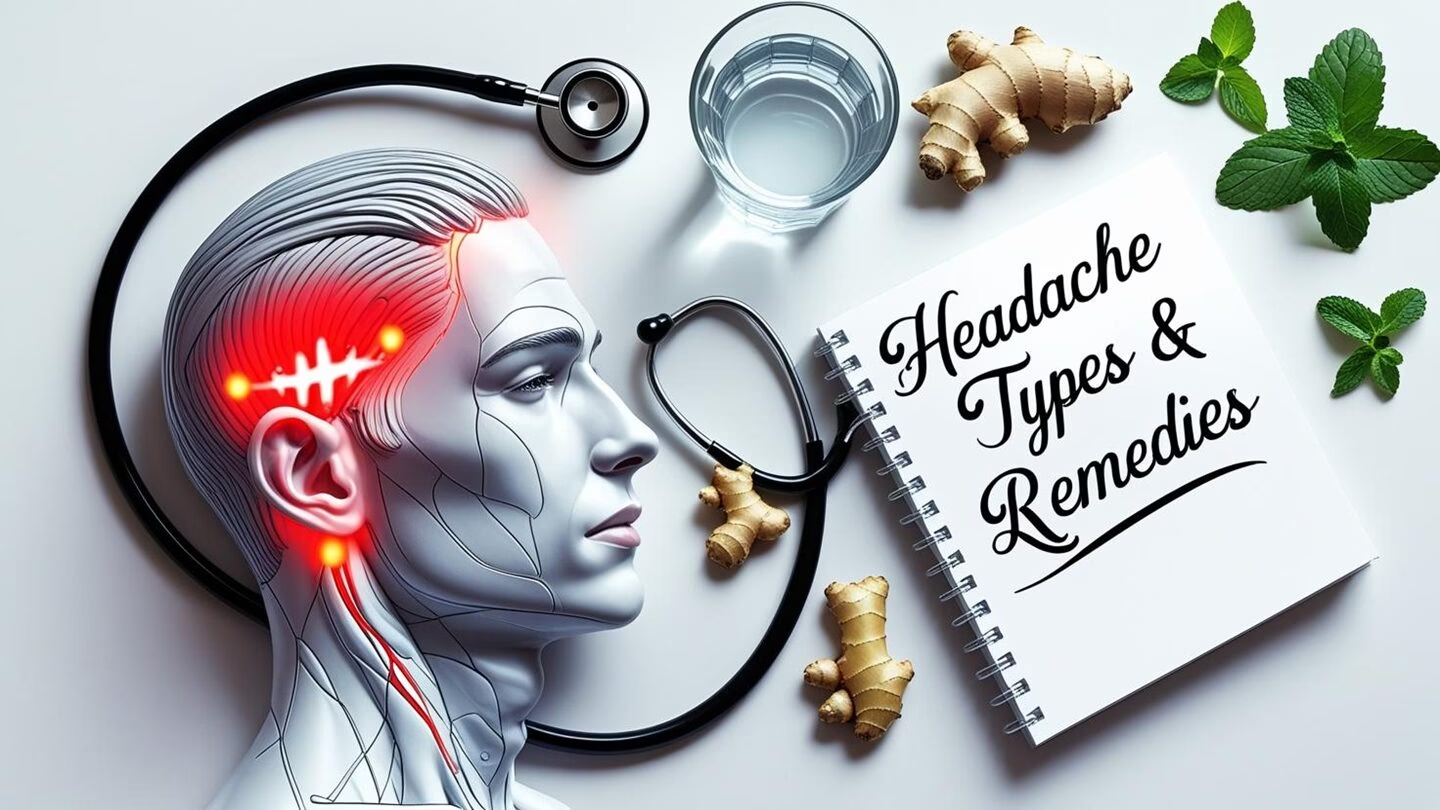
Headaches are among the most common medical complaints worldwide, affecting billions of people every year. While many headaches are harmless and improve with rest or simple treatments, others may indicate a serious underlying condition requiring immediate medical attention.
Learning how to tell what kind of headache you have can help you choose the right treatment, avoid unnecessary suffering, and recognize warning signs that shouldn’t be ignored.
This comprehensive guide explains the different types of headaches, their symptoms, causes, diagnosis, treatments, prevention strategies, and emergency warning signs.
What Is a Headache?
A headache is pain or discomfort anywhere in the head, scalp, face, or upper neck. It can range from a mild annoyance to severe, disabling pain.
Headaches are broadly divided into two categories:
- Primary headaches – the headache itself is the condition.
- Secondary headaches – the headache is caused by another medical problem.
Nearly all headaches fall into one of these categories.
Primary Headaches
Primary headaches are not caused by another disease. They account for the vast majority of headaches.
1. Tension Headache (Most Common)
Tension headaches affect millions of people and are the most frequent type.
Symptoms
- Dull, aching pain
- Tight band-like pressure around the forehead
- Pain on both sides of the head
- Tender scalp, neck, or shoulder muscles
- Mild to moderate intensity
- Usually not worsened by physical activity
Common Causes
- Emotional stress
- Anxiety
- Poor posture
- Long hours at a computer
- Eye strain
- Lack of sleep
- Skipping meals
Best Treatment
- Rest
- Hydration
- Gentle neck stretching
- Warm compress
- Stress reduction
- Over-the-counter pain relievers (used only as directed)
2. Migraine
A migraine is much more than a severe headache. It is a neurological disorder that can significantly affect daily life.
Symptoms
- Moderate to severe throbbing pain
- Usually one-sided (but may affect both sides)
- Nausea or vomiting
- Sensitivity to light
- Sensitivity to sound
- Sensitivity to smells
- Pain worsens with movement
Migraine Aura
About one in four people with migraine experience an aura before the headache.
Aura may include:
- Flashing lights
- Zigzag lines
- Blind spots
- Tingling in the face or hands
- Difficulty speaking
Common Triggers
- Stress
- Hormonal changes
- Bright lights
- Lack of sleep
- Certain foods (aged cheese, processed meats, chocolate)
- Alcohol
- Weather changes
- Strong odors
Treatment
Treatment may include:
- Early pain relief medication
- Prescription migraine medicines (such as triptans, if appropriate)
- Anti-nausea medication
- Preventive medications for frequent migraines
- Lifestyle modifications
3. Cluster Headache
Cluster headaches are among the most painful headaches known.
They occur in repeated attacks over weeks or months (called cluster periods).
Symptoms
- Sudden, excruciating pain
- Usually around one eye
- Red eye
- Tearing
- Drooping eyelid
- Runny or blocked nose
- Restlessness
- Attacks lasting 15 minutes to 3 hours
Common Triggers
- Alcohol during a cluster period
- Smoking
- Strong odors
Treatment
Cluster headaches require medical treatment.
Common therapies include:
- High-flow oxygen
- Prescription medications
- Preventive medicines
Secondary Headaches
Secondary headaches occur because of another health condition.
1. Sinus Headache
True sinus headaches are much less common than many people think and usually occur with a sinus infection.
Symptoms
- Pain around cheeks, forehead, or eyes
- Nasal congestion
- Thick nasal discharge
- Fever
- Facial tenderness
Many headaches people believe are “sinus headaches” are actually migraines.
2. Medication Overuse Headache
Using pain medications too frequently can actually cause more headaches.
This is known as a rebound headache.
It may occur if pain relievers are used regularly for several days each week over an extended period. If you find yourself needing headache medication often, speak with a healthcare professional before increasing use.
3. High Blood Pressure Headache
Most people with high blood pressure do not develop headaches.
However, extremely high blood pressure (hypertensive crisis) can cause:
- Severe headache
- Blurred vision
- Chest pain
- Shortness of breath
- Confusion
This requires immediate emergency medical care.
4. Post-Traumatic Headache
These headaches occur after:
- Falls
- Sports injuries
- Car accidents
- Concussions
They may resemble migraines or tension headaches and sometimes persist for months.
5. Cervicogenic Headache
Pain actually begins in the neck but is felt in the head.
Symptoms
- One-sided headache
- Neck stiffness
- Pain worsened by neck movement
- Shoulder pain
Less Common but Serious Causes of Headache
Although uncommon, headaches can also result from:
- Brain infections
- Meningitis
- Brain tumors
- Stroke
- Brain aneurysm
- Giant cell arteritis (especially in adults over 50)
- Acute glaucoma
- Carbon monoxide poisoning
These conditions require urgent medical evaluation.
Headache Location Chart
| Headache Location | Possible Cause |
|---|---|
| Across forehead | Tension headache |
| One side of head | Migraine |
| Around one eye | Cluster headache |
| Behind eyes with nasal symptoms | Sinus infection |
| Back of head and neck | Tension or cervicogenic headache |
| Whole head, sudden severe pain | Emergency—seek immediate medical attention |
Important: Headache location alone cannot determine the diagnosis. Symptoms, duration, associated signs, and medical history all matter.
How Doctors Diagnose Headaches
Most headaches can be diagnosed from a careful history and physical examination.
Your healthcare provider may ask:
- Where is the pain?
- When did it start?
- How long does it last?
- How severe is it?
- How often does it happen?
- What triggers it?
- What makes it better?
- Is there nausea or vomiting?
- Do you have vision changes?
- Is there a family history of migraine?
Physical and Neurological Examination
The doctor may evaluate:
- Vision
- Eye movements
- Reflexes
- Balance
- Muscle strength
- Coordination
- Neck stiffness
- Blood pressure
Tests That May Be Needed
Most routine headaches do not require brain scans.
However, your doctor may recommend tests if a serious cause is suspected.
Possible investigations include:
- CT scan
- MRI
- Blood tests
- Lumbar puncture (spinal tap) in selected cases
- Eye examination
- Sinus imaging when appropriate
When to Seek Emergency Medical Care
Seek immediate medical attention if your headache:
- Starts suddenly and reaches maximum intensity within seconds (“thunderclap headache”)
- Is the worst headache of your life
- Occurs after a head injury
- Is accompanied by fever and a stiff neck
- Causes confusion, fainting, seizures, or loss of consciousness
- Is associated with weakness, numbness, difficulty speaking, or facial drooping
- Is accompanied by sudden vision loss or double vision
- Occurs during pregnancy with high blood pressure
- Continues to worsen despite treatment
- Begins after age 50 with new symptoms
- Occurs in someone with cancer or a weakened immune system
Home Remedies for Headache Relief
Many mild headaches improve with simple home care.
Stay Hydrated
Even mild dehydration can trigger headaches.
Aim for adequate fluid intake throughout the day.
Get Enough Sleep
Adults generally benefit from 7–9 hours of quality sleep every night.
Maintain a consistent sleep schedule.
Manage Stress
Stress is one of the biggest headache triggers.
Helpful strategies include:
- Deep breathing
- Meditation
- Yoga
- Regular exercise
- Relaxation techniques
Use Cold or Warm Compresses
Cold compress:
- Migraine
- Severe throbbing pain
Warm compress:
- Tension headaches
- Neck-related headaches
- Muscle tightness
Eat Regular Meals
Low blood sugar is a common cause of headaches.
Avoid skipping meals.
Choose balanced meals with:
- Protein
- Whole grains
- Fruits
- Vegetables
Exercise Regularly
Moderate physical activity helps reduce:
- Stress
- Migraine frequency
- Tension headaches
Aim for at least 150 minutes of moderate exercise per week, unless advised otherwise by your healthcare provider.
Identify Your Triggers
Keeping a headache diary can help identify patterns.
Record:
- Foods
- Sleep
- Stress
- Menstrual cycle
- Weather
- Caffeine intake
- Exercise
- Medications
Natural Remedies That May Help
Some people find relief from complementary approaches, although evidence varies and they should not replace medical care when needed.
These include:
- Peppermint oil (avoid contact with eyes and broken skin)
- Ginger (may help migraine-related nausea)
- Magnesium (may reduce migraine frequency in some people, under medical guidance)
- Riboflavin (vitamin B2), which may help prevent migraines in certain individuals
- Relaxation therapy
- Biofeedback
- Acupuncture
Discuss supplements with your healthcare provider, especially if you are pregnant, have kidney disease, or take other medications.
Can Headaches Be Prevented?
Yes. Many headaches can be prevented with healthy lifestyle habits.
Prevention tips include:
- Stay hydrated
- Sleep consistently
- Exercise regularly
- Limit alcohol
- Avoid smoking
- Reduce excessive caffeine
- Eat balanced meals
- Manage stress
- Treat allergies if they trigger headaches
- Avoid overusing pain medications
Frequently Asked Questions
Which headache is most common?
Tension headache is the most common type worldwide.
Can dehydration cause headaches?
Yes. Even mild dehydration can lead to headaches in some people.
Are migraines dangerous?
Most migraines are not life-threatening, but sudden changes in migraine pattern or new neurological symptoms should be evaluated promptly.
Can headaches be caused by stress?
Yes. Stress is one of the leading triggers of tension headaches and migraines.
When should I worry about a headache?
Seek urgent medical attention for sudden severe headaches, headaches with neurological symptoms, fever and neck stiffness, after head injury, or headaches that are progressively worsening.
Key Takeaways
Most headaches are not dangerous, but identifying the type is essential for choosing the right treatment. Tension headaches, migraines, cluster headaches, and sinus headaches each have distinct characteristics. Maintaining healthy habits, recognizing personal triggers, and avoiding medication overuse can significantly reduce headache frequency. However, sudden, severe, or unusual headaches—especially those accompanied by neurological symptoms or fever—should never be ignored and require immediate medical evaluation.
Medical Disclaimer: This article is for educational purposes only and is not a substitute for professional medical advice, diagnosis, or treatment. If you experience severe, persistent, or unusual headaches, or develop warning signs such as confusion, weakness, vision changes, seizures, or loss of consciousness, seek immediate medical care.
ABOUT THE AUTHOR
Dr. Alex Sam is a passionate healthcare professional with an MBBS and MRCGP degree and a strong commitment to modern medicine. Known for his empathetic approach, he emphasizes listening to his patients and understanding their unique health concerns before offering treatment. His areas of focus include family medicine and general health management, where he strives to provide holistic care that improves both physical and mental well-being. Dr. Alex is also a strong advocate for preventive screenings and early detection of diseases, ensuring his patients maintain healthier lives. With a calm demeanor and deep medical insight, he has earned the trust of both his patients and peers in the medical community.
- Dr. Alex Sam

- Dr. Alex Sam
- Dr. Alex Sam
- Dr. Alex Sam







Add comment