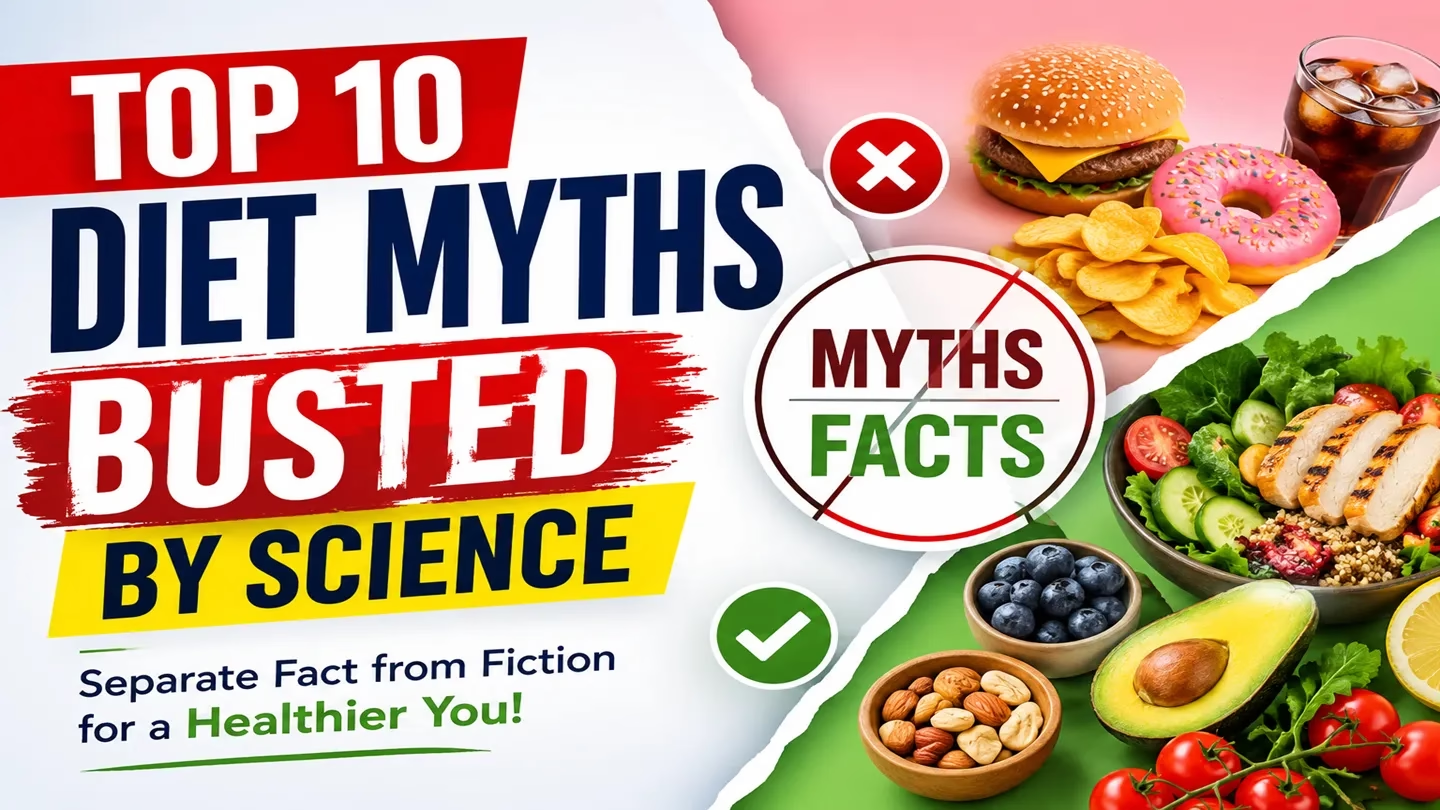
Nutrition advice has never been more accessible—or more confusing. Social media trends, celebrity endorsements, and viral “health hacks” often spread misinformation that contradicts established nutrition science. Unfortunately, believing these common diet myths can make healthy eating more difficult and even interfere with your weight loss or wellness goals.
The good news? Modern research has debunked many long-standing misconceptions about food. Understanding the facts allows you to make informed decisions that support your long-term health.
Let’s separate fact from fiction by examining the top 10 diet myths backed by scientific evidence.
1. Myth: Carbs Make You Fat
The Truth
Carbohydrates themselves do not cause weight gain.
Your body gains weight when you consistently consume more calories than you burn, regardless of whether those calories come from carbohydrates, fats, or proteins.
In fact, complex carbohydrates are among the healthiest foods you can eat because they provide:
- Dietary fiber
- B vitamins
- Essential minerals
- Long-lasting energy
- Improved digestive health
Fiber-rich carbohydrates also increase fullness, making it easier to manage appetite and maintain a healthy weight.
Best Healthy Carbohydrate Sources
- Oats
- Brown rice
- Quinoa
- Sweet potatoes
- Lentils
- Chickpeas
- Beans
- Fruits
- Vegetables
Limit
- Sugary drinks
- White bread
- Pastries
- Candy
- Highly processed snacks
Bottom Line: Choose whole-food carbohydrates rather than avoiding carbs altogether.
2. Myth: Eating Fat Makes You Fat
The Truth
Dietary fat is an essential nutrient—not the enemy.
Healthy fats support:
- Brain function
- Hormone production
- Cell membranes
- Vitamin absorption (A, D, E, K)
- Heart health
The key is choosing the right type of fat.
Healthy Fats
- Olive oil
- Avocados
- Almonds
- Walnuts
- Chia seeds
- Flaxseeds
- Fatty fish (salmon, sardines, mackerel)
Fats to Limit
- Trans fats
- Deep-fried foods
- Highly processed baked goods
Healthy fats are calorie-dense, so portion control still matters.
Bottom Line: Healthy fats improve overall health and help keep you satisfied between meals.
3. Myth: Detox Diets and Juice Cleanses Remove Toxins
The Truth
Your body already has an effective detox system.
The liver, kidneys, digestive tract, lungs, and skin naturally remove waste products without needing expensive detox drinks or juice cleanses.
Most juice cleanses:
- Lack protein
- Contain very little fiber
- Can cause blood sugar spikes
- May leave you hungry
- Often lead to temporary water weight loss rather than fat loss
Better Ways to Support Natural Detoxification
- Eat plenty of vegetables
- Drink enough water
- Get quality sleep
- Exercise regularly
- Limit alcohol
- Eat fiber-rich foods
Bottom Line: Your body detoxes itself every day—no cleanse required.
4. Myth: The Lower the Calories, the Faster You’ll Lose Weight
The Truth
Extreme calorie restriction is rarely sustainable.
Very low-calorie diets can lead to:
- Muscle loss
- Nutrient deficiencies
- Fatigue
- Slower metabolism
- Increased hunger
- Weight regain
Research consistently shows that gradual, sustainable weight loss is more successful over time.
A Better Approach
Aim for:
- Moderate calorie deficit
- High protein intake
- Plenty of vegetables
- Regular strength training
- Daily physical activity
Bottom Line: Sustainable habits outperform crash diets.
5. Myth: Eggs Are Bad for Your Heart
The Truth
Eggs have been unfairly criticized for decades.
Current evidence suggests that for most healthy people, eating one or two eggs daily does not significantly increase the risk of heart disease.
Eggs are packed with:
- High-quality protein
- Choline
- Vitamin B12
- Selenium
- Lutein
- Zeaxanthin
People with certain medical conditions, such as familial hypercholesterolemia or uncontrolled diabetes, should discuss dietary cholesterol with their healthcare provider.
Bottom Line: Eggs can be part of a heart-healthy diet for most individuals.
6. Myth: You Must Drink Milk for Strong Bones
The Truth
Dairy is one source of calcium—but it’s far from the only one.
Strong bones depend on multiple nutrients, including:
- Calcium
- Vitamin D
- Vitamin K
- Magnesium
- Protein
- Regular weight-bearing exercise
Excellent Non-Dairy Calcium Sources
- Fortified soy milk
- Fortified almond milk
- Tofu
- Kale
- Bok choy
- Broccoli
- Sardines
- Sesame seeds
- Almonds
Bottom Line: You can maintain healthy bones with or without dairy.
7. Myth: Organic and Natural Foods Are Always Healthier
The Truth
Words like “natural,” “organic,” “gluten-free,” or “non-GMO” do not automatically make food nutritious.
For example:
- Organic cookies still contain sugar.
- Organic chips are still high in calories.
- Natural fruit snacks can still be loaded with added sugars.
Instead of relying on front-label marketing:
- Read ingredient lists
- Check added sugars
- Review sodium levels
- Compare fiber and protein
Bottom Line: Nutrition facts matter more than marketing labels.
8. Myth: Eating After 8 PM Causes Weight Gain
The Truth
Your body doesn’t suddenly store more fat because the clock says it’s nighttime.
Weight gain depends primarily on:
- Total calorie intake
- Food quality
- Physical activity
- Sleep
- Overall lifestyle
Late-night eating becomes problematic because many people choose:
- Ice cream
- Chips
- Cookies
- Sugary drinks
instead of nutritious foods.
Better Evening Snacks
- Greek yogurt
- Cottage cheese
- Apple with peanut butter
- Mixed nuts
- Fruit
- Boiled eggs
Bottom Line: What and how much you eat matters more than when you eat.
9. Myth: Diet Soda Is a Healthy Weight Loss Drink
The Truth
Diet sodas contain few or no calories, but they aren’t necessarily a healthy beverage.
Research remains mixed, but some studies suggest that frequent consumption may be associated with:
- Increased sweet cravings
- Poor diet quality
- Higher risk of metabolic disease
- Greater waist circumference in some populations
While diet soda may help some people reduce sugar intake temporarily, water remains the healthiest beverage.
Better Drink Choices
- Water
- Sparkling water
- Herbal tea
- Unsweetened tea
- Black coffee (in moderation)
- Fruit-infused water
Bottom Line: Water should be your primary beverage.
10. Myth: Everyone Needs Dietary Supplements
The Truth
Supplements are designed to supplement—not replace—a healthy diet.
Most healthy adults can obtain nearly all essential nutrients from whole foods.
However, supplements may be appropriate for certain groups, including:
- Pregnant women (folic acid)
- Older adults (vitamin B12)
- People with vitamin D deficiency
- Vegans (vitamin B12)
- Individuals with iron deficiency
- People with specific medical conditions
Always consult a healthcare professional before starting supplements.
Bottom Line: Food should be your primary source of nutrition whenever possible.
Bonus Myth: Skipping Meals Helps You Lose Weight
Many people believe skipping breakfast or lunch speeds up fat loss.
In reality, skipping meals often leads to:
- Extreme hunger
- Overeating later
- Poor food choices
- Reduced energy
- Difficulty maintaining muscle
Some people do well with intermittent fasting, but success depends on maintaining an appropriate calorie intake and balanced nutrition—not simply eating less often.
Bottom Line: Meal timing should fit your lifestyle and health goals.
How to Spot Nutrition Misinformation
Before following the latest diet trend, ask yourself:
- Is the advice supported by scientific research?
- Does it promise quick or “miracle” results?
- Is someone trying to sell a supplement or detox product?
- Does it eliminate entire food groups without medical reason?
- Is the claim backed by registered dietitians or reputable health organizations?
If the answer raises concerns, it’s worth digging deeper before changing your diet.
Evidence-Based Healthy Eating Tips
Instead of chasing nutrition trends, focus on habits proven to improve health:
- Eat more fruits and vegetables.
- Choose whole grains over refined grains.
- Include lean protein with each meal.
- Eat healthy fats in moderation.
- Stay physically active.
- Drink enough water.
- Limit ultra-processed foods and sugary drinks.
- Prioritize sleep and stress management.
- Practice portion control instead of restrictive dieting.
- Build habits you can maintain for life.
Frequently Asked Questions (FAQs)
What is the biggest diet myth?
One of the biggest myths is that carbohydrates cause weight gain. Weight gain results from consuming more calories than your body burns, not from carbohydrates alone.
Are eggs healthy?
Yes. For most healthy adults, moderate egg consumption is considered part of a balanced diet and provides high-quality protein and essential nutrients.
Do detox diets work?
No. There is no strong scientific evidence that detox diets remove toxins better than your body’s natural detoxification systems.
Are organic foods healthier?
Organic foods may reduce pesticide exposure in some cases, but they are not automatically healthier. Nutritional quality depends on the food itself, not just the label.
Do supplements replace healthy eating?
No. Whole foods provide a combination of nutrients, fiber, and beneficial compounds that supplements cannot fully replicate.
Final Thoughts
Nutrition myths continue to spread because simple answers often sound more appealing than scientific evidence. However, lasting health doesn’t come from eliminating entire food groups, buying expensive detox products, or following restrictive fad diets.
Instead, the strongest evidence consistently supports a balanced eating pattern rich in whole foods, regular physical activity, adequate sleep, and sustainable habits. When in doubt, rely on qualified healthcare professionals and evidence-based nutrition—not social media trends.
Quick Recap: Top 10 Diet Myths
| Myth | Science Says |
|---|---|
| Carbs make you fat | Whole carbohydrates support good health and weight management. |
| Fat makes you fat | Healthy fats are essential for the body. |
| Detox cleanses remove toxins | Your liver and kidneys already detoxify your body. |
| Very low-calorie diets work best | Sustainable calorie deficits are more effective. |
| Eggs are bad for your heart | Moderate egg intake is safe for most people. |
| Dairy is required for strong bones | Many non-dairy foods provide calcium and bone-supporting nutrients. |
| Organic always means healthier | Read nutrition labels, not just marketing claims. |
| Eating late causes weight gain | Total daily calories matter more than meal timing. |
| Diet soda guarantees weight loss | Water remains the healthiest beverage. |
| Everyone needs supplements | Most people should prioritize whole foods first. |
Disclaimer: This article is for educational purposes only and should not replace personalized medical advice. Consult a qualified healthcare professional or registered dietitian before making significant dietary changes, especially if you have a medical condition or specific nutritional needs.
ABOUT THE AUTHOR
Dr. Nora West is a highly skilled MBBS doctor with a special interest in women’s health and patient education. She is dedicated to providing compassionate care and believes in building strong doctor–patient relationships based on trust and understanding. Dr. Nora focuses on empowering her patients with the knowledge they need to make informed decisions about their health. She is particularly passionate about preventive medicine, nutrition, and lifestyle interventions that can significantly improve quality of life. Known for her warmth and professionalism, Dr. Nora combines evidence-based medicine with a personalized approach, ensuring every patient feels supported on their journey to better health.
- Dr. Nora West
- Dr. Nora West

- Dr. Nora West
- Dr. Nora West






Add comment