
Introduction
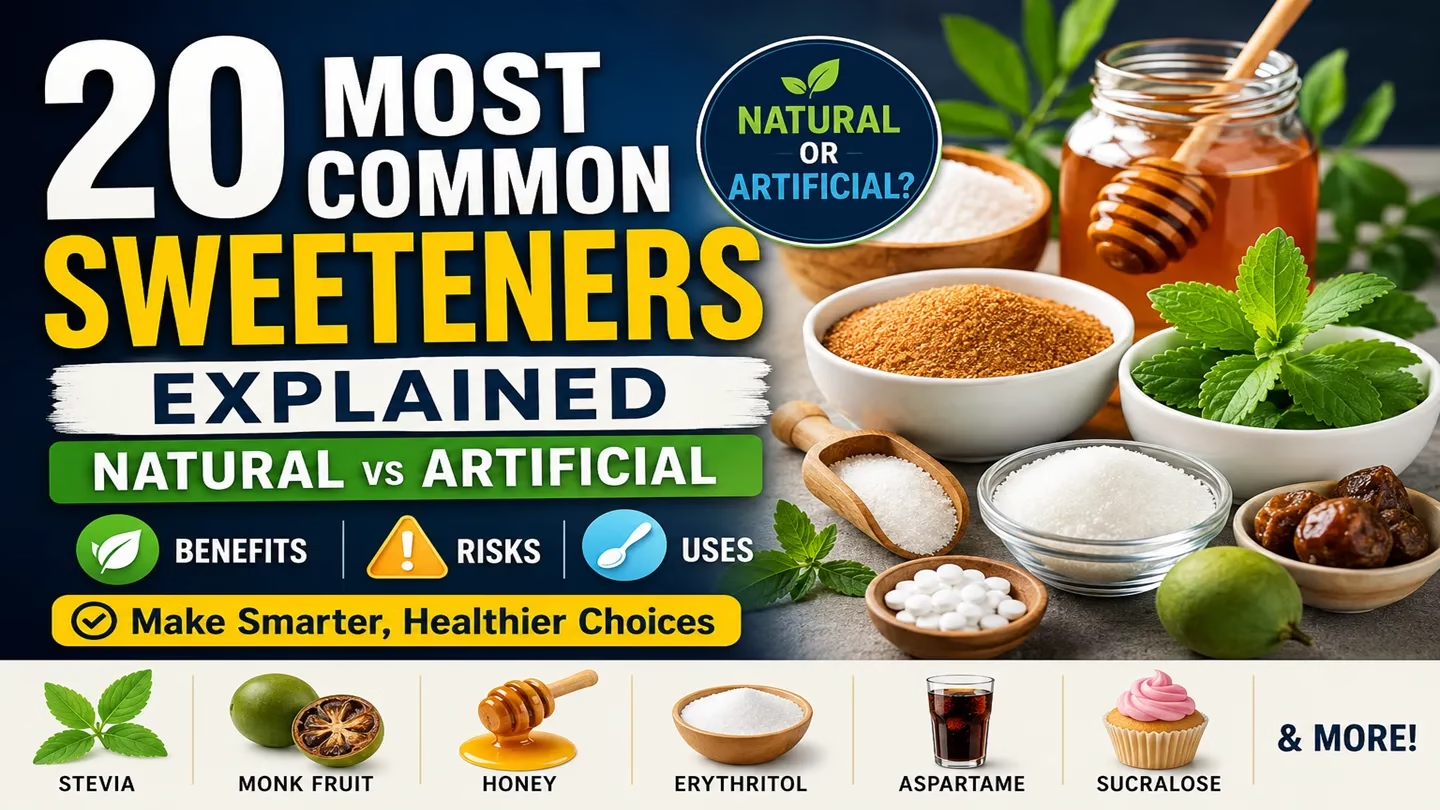
Sweetness is one of the most enjoyable tastes in our diet, but not all sweeteners are created equal. While traditional table sugar has been used for centuries, today’s consumers have access to dozens of alternatives—from natural options like honey and maple syrup to modern artificial sweeteners such as sucralose and aspartame.
People choose different sweeteners for many reasons. Some want to reduce calories, others are managing diabetes, while many simply prefer natural ingredients. However, understanding which sweetener is healthiest isn’t always straightforward.
Some sweeteners raise blood sugar quickly, while others have little to no effect. Certain options contain beneficial nutrients, whereas others provide sweetness without calories. Each has unique advantages and potential drawbacks.
In this comprehensive guide, we’ll explain the 20 most common sweeteners, compare their nutritional profiles, discuss their benefits and risks, and help you choose the best option for your lifestyle.
What Are Sweeteners?
Sweeteners are substances added to foods and beverages to create a sweet taste. They may come from natural plant sources or be manufactured synthetically.
Sweeteners generally fall into four categories:
- Natural sugars
- Natural sweeteners
- Sugar alcohols
- Artificial sweeteners
Each type differs in:
- Calories
- Sweetness intensity
- Glycemic Index (GI)
- Effect on blood sugar
- Stability during cooking
- Potential health effects
Natural vs Artificial Sweeteners
| Natural Sweeteners | Artificial Sweeteners |
|---|---|
| Derived from plants or natural foods | Manufactured synthetically |
| Usually contain some calories | Usually calorie-free |
| May contain vitamins or antioxidants | No nutritional value |
| Often increase blood sugar | Usually little or no effect on blood sugar |
| Generally less sweet than artificial options | Hundreds of times sweeter than sugar |
Sweetener Comparison Table
| Sweetener | Calories | Glycemic Index | Natural/Artificial | Best For |
|---|---|---|---|---|
| White Sugar | High | 65 | Natural | Baking |
| Brown Sugar | High | 64 | Natural | Desserts |
| Honey | High | 58 | Natural | Tea |
| Maple Syrup | Moderate | 54 | Natural | Pancakes |
| Coconut Sugar | High | 54 | Natural | Baking |
| Stevia | Zero | 0 | Natural | Diabetes |
| Monk Fruit | Zero | 0 | Natural | Keto |
| Erythritol | Almost zero | 0 | Sugar alcohol | Baking |
| Xylitol | Low | 13 | Sugar alcohol | Sugar-free gum |
| Aspartame | Zero | 0 | Artificial | Soft drinks |
| Sucralose | Zero | 0 | Artificial | Cooking |
| Saccharin | Zero | 0 | Artificial | Beverages |
| Acesulfame-K | Zero | 0 | Artificial | Processed foods |
| Agave Nectar | High | 15–30 | Natural | Sweetening drinks |
| Date Sugar | High | 42 | Natural | Whole-food baking |
| Molasses | Moderate | 55 | Natural | Baking |
| Allulose | Very low | 0 | Rare sugar | Keto |
| Sorbitol | Low | 9 | Sugar alcohol | Sugar-free candies |
| Maltitol | Moderate | 35 | Sugar alcohol | Low-carb products |
| Yacon Syrup | Moderate | Low | Natural | Prebiotic sweetener |
1. White Sugar (Sucrose)
What Is It?
White sugar, also known as sucrose, is the most widely consumed sweetener worldwide. It is extracted primarily from sugarcane or sugar beets and refined to produce pure white crystals.
Sweetness
Baseline (100%).
Calories
About 4 calories per gram.
Benefits
- Excellent for baking
- Affordable
- Widely available
- Provides quick energy
- Reliable for cooking and food preservation
Risks
Excessive intake is associated with:
- Weight gain
- Obesity
- Type 2 diabetes
- Tooth decay
- Fatty liver disease
- Increased risk of cardiovascular disease
The World Health Organization recommends limiting free sugars to less than 10% of total daily energy intake, with additional benefits below 5%.
Best Uses
- Cakes
- Cookies
- Coffee
- Desserts
- Sauces
2. Brown Sugar
What Is It?
Brown sugar is white sugar that contains molasses, giving it a darker color, richer flavor, and slightly higher moisture content.
Calories
Nearly identical to white sugar.
Benefits
- Richer taste
- Keeps baked goods moist
- Slightly more minerals than white sugar
Risks
Despite its healthier reputation, brown sugar affects blood sugar similarly to white sugar and should be consumed in moderation.
Best Uses
- Cookies
- BBQ sauces
- Oatmeal
- Marinades
3. Honey
What Is Honey?
Honey is produced by bees from flower nectar. It has been used for thousands of years as both a food and traditional remedy.
Nutritional Highlights
Honey contains:
- Trace antioxidants
- Small amounts of vitamins
- Minerals
- Natural enzymes
Benefits
Research suggests honey may:
- Soothe sore throats
- Help suppress coughs
- Provide antioxidants
- Offer antimicrobial properties
- Enhance wound healing when used medically
Risks
Honey is still a concentrated sugar.
Avoid giving honey to infants younger than 12 months due to the risk of infant botulism.
Best Uses
- Tea
- Yogurt
- Smoothies
- Salad dressings
4. Maple Syrup
Maple syrup is made by concentrating the sap of maple trees.
Benefits
Compared with refined sugar, it provides small amounts of:
- Manganese
- Zinc
- Potassium
- Antioxidants
Risks
Although it contains beneficial compounds, maple syrup remains high in sugar and calories.
Best Uses
- Pancakes
- Waffles
- Oatmeal
- Roasted vegetables
5. Coconut Sugar
Coconut sugar comes from the sap of coconut palm flowers rather than coconuts themselves.
Benefits
- Less processed
- Contains small amounts of potassium and iron
- Slight caramel flavor
- Suitable for baking
Risks
Its calorie content is almost identical to regular sugar, and it should not be considered a “free pass” for people with diabetes.
Best Uses
- Baking
- Coffee
- Homemade desserts
6. Stevia
Stevia is extracted from the leaves of Stevia rebaudiana, a plant native to South America.
It is approximately 200–300 times sweeter than table sugar.
Calories
Zero.
Benefits
- Does not raise blood sugar
- Suitable for diabetes
- Keto-friendly
- Calorie-free
- Heat stable
Possible Drawbacks
Some people notice:
- Bitter aftertaste
- Licorice-like flavor
- Digestive discomfort with certain blended products
Best Uses
- Coffee
- Tea
- Baking
- Low-carb desserts
7. Monk Fruit Sweetener
Monk fruit sweetener is made from the monk fruit (Siraitia grosvenorii), a small melon native to southern China.
Its sweetness comes from compounds called mogrosides rather than sugar.
Benefits
- Zero calories
- Does not increase blood sugar
- Natural origin
- Keto-friendly
- Suitable for diabetes
Drawbacks
- More expensive
- Sometimes blended with erythritol or other sweeteners
- Availability may be limited
Best Uses
- Coffee
- Smoothies
- Baking
- Protein shakes
8. Erythritol
Erythritol is a naturally occurring sugar alcohol found in some fruits and fermented foods.
It contains approximately 0.2 calories per gram.
Benefits
- Almost calorie-free
- Minimal effect on blood sugar
- Does not cause tooth decay
- Well tolerated compared with many other sugar alcohols
Risks
Large amounts may cause bloating or digestive discomfort in sensitive individuals. Recent research has also explored possible associations between high blood erythritol levels and cardiovascular risk, but more evidence is needed to determine whether dietary erythritol itself increases risk.
Best Uses
- Keto baking
- Low-carb desserts
- Sugar-free beverages
9. Xylitol
Xylitol is another sugar alcohol commonly used in sugar-free chewing gum, toothpaste, and oral care products.
Benefits
- Helps reduce cavities
- Supports oral health
- Lower glycemic impact than sugar
- Pleasant sweetness similar to sugar
Risks
- May cause diarrhea or bloating if consumed in large amounts
- Highly toxic to dogs, even in small quantities
Best Uses
- Sugar-free gum
- Toothpaste
- Homemade sugar-free recipes
10. Aspartame
Aspartame is one of the most widely used low-calorie artificial sweeteners and is found in many diet soft drinks, flavored yogurts, and sugar-free foods.
It is about 200 times sweeter than table sugar.
Benefits
- Virtually calorie-free
- Helps reduce added sugar intake
- Does not significantly raise blood glucose levels
- Useful in many low-calorie products
Risks
People with phenylketonuria (PKU) must avoid aspartame because they cannot properly metabolize phenylalanine, one of its components.
Aspartame has been extensively evaluated by regulatory agencies. While it has been classified by one international agency as a possible carcinogen based on limited hazard evidence, organizations such as the WHO/FAO Joint Expert Committee on Food Additives (JECFA), the U.S. FDA, and the European Food Safety Authority continue to consider it safe when consumed within the established acceptable daily intake (ADI).
Best Uses
- Diet beverages
- Yogurt
- Sugar-free desserts
- Tabletop sweeteners
11. Sucralose
Sucralose is an artificial sweetener made by modifying the structure of sucrose (table sugar). Although it is derived from sugar, the body absorbs very little of it, making it virtually calorie-free.
It is approximately 600 times sweeter than table sugar.
Calories
Virtually zero.
Glycemic Index
0
Benefits
- Does not significantly increase blood sugar levels
- Suitable for many people with diabetes
- Stable at high temperatures, making it useful for cooking and baking
- Widely available in tabletop sweeteners and sugar-free products
Potential Risks
Most research indicates sucralose is safe when consumed within the Acceptable Daily Intake (ADI). However, some studies suggest that frequent consumption of artificial sweeteners may alter the gut microbiome or influence appetite in certain individuals. The long-term clinical significance of these findings remains uncertain.
Some people also report a slightly artificial aftertaste.
Best Uses
- Baking
- Coffee and tea
- Sugar-free desserts
- Protein shakes
12. Saccharin
Saccharin is the oldest commercially available artificial sweetener and has been used for more than a century.
It is approximately 300–500 times sweeter than sugar.
Calories
Zero
Glycemic Index
0
Benefits
- Extremely sweet in small amounts
- Does not raise blood sugar
- Long shelf life
- Suitable for diabetic-friendly products
Potential Risks
Older studies linked saccharin to bladder cancer in laboratory rats, leading to public concern. However, subsequent research found that these findings were not applicable to humans, and saccharin is now considered safe by major regulatory authorities when consumed within recommended limits.
Some individuals notice a metallic or bitter aftertaste.
Best Uses
- Coffee
- Tea
- Soft drinks
- Tabletop sweeteners
13. Acesulfame Potassium (Acesulfame-K)
Acesulfame-K is a calorie-free artificial sweetener commonly blended with other sweeteners to improve taste.
It is approximately 200 times sweeter than sugar.
Calories
Zero
Benefits
- Heat stable
- No effect on blood glucose
- Long shelf life
- Frequently combined with sucralose or aspartame
Risks
Current scientific evidence indicates it is safe within approved intake limits. Some consumers prefer to limit artificial sweeteners due to ongoing research into their potential long-term effects.
Best Uses
- Soft drinks
- Protein powders
- Baked foods
- Sugar-free snacks
14. Agave Nectar
Agave nectar is extracted from several species of the agave plant.
Although it has a relatively low glycemic index, it contains a very high proportion of fructose.
Calories
Approximately 60 calories per tablespoon
Benefits
- Sweeter than sugar, so less may be needed
- Dissolves easily in beverages
- Pleasant mild flavor
Risks
High fructose intake may contribute to:
- Fatty liver disease
- Elevated triglycerides
- Weight gain
- Insulin resistance when consumed in excess
Despite its popularity, agave nectar should not automatically be considered healthier than sugar.
Best Uses
- Tea
- Coffee
- Smoothies
- Salad dressings
15. Date Sugar
Date sugar is made from dehydrated, finely ground whole dates rather than extracted sugars.
Unlike refined sugar, it retains some nutrients and fiber from the fruit.
Benefits
Contains small amounts of:
- Potassium
- Magnesium
- Fiber
- Antioxidants
Risks
It still contains nearly the same calories as regular sugar and can raise blood glucose levels.
Because it does not dissolve well, it may not be suitable for beverages.
Best Uses
- Muffins
- Cookies
- Oatmeal
- Homemade granola
16. Molasses
Molasses is a thick syrup produced during the sugar refining process.
Blackstrap molasses is the most nutrient-rich variety.
Nutritional Highlights
Molasses contains small amounts of:
- Iron
- Calcium
- Potassium
- Magnesium
- Copper
Benefits
Compared with refined sugar, molasses offers more vitamins and minerals.
It also contains antioxidants.
Risks
Despite its nutrient content, molasses remains high in sugar and calories.
Best Uses
- Gingerbread
- Baked beans
- BBQ sauces
- Marinades
17. Allulose
Allulose is a naturally occurring “rare sugar” found in small amounts in foods such as figs, raisins, wheat, and maple syrup.
Most commercial allulose is produced through enzymatic conversion of plant sugars.
Calories
About 0.4 calories per gram
Glycemic Index
0
Benefits
- Very low calorie
- Similar taste and texture to sugar
- Does not significantly raise blood glucose
- Browning properties similar to sugar
- Suitable for keto diets
Potential Risks
Large amounts may cause mild digestive symptoms such as bloating or diarrhea.
Best Uses
- Ice cream
- Cakes
- Cookies
- Low-carb desserts
18. Sorbitol
Sorbitol is a sugar alcohol naturally present in apples, pears, peaches, and prunes.
It is commonly added to sugar-free candies and medications.
Benefits
- Lower calorie than sugar
- Does not promote tooth decay
- Low glycemic effect
Risks
Large quantities frequently cause:
- Gas
- Bloating
- Diarrhea
- Abdominal discomfort
People with irritable bowel syndrome (IBS) may be particularly sensitive because sorbitol is a FODMAP carbohydrate.
Best Uses
- Sugar-free candy
- Medicines
- Oral care products
19. Maltitol
Maltitol is another sugar alcohol commonly used in “sugar-free” chocolates and candies.
Benefits
- Similar taste and texture to sugar
- Fewer calories than sugar
- Useful in confectionery products
Risks
Unlike erythritol, maltitol can significantly increase blood sugar levels in some individuals.
It also commonly causes digestive discomfort when consumed in large amounts.
People with diabetes should consume maltitol-containing products cautiously.
Best Uses
- Chocolate
- Candy
- Protein bars
20. Yacon Syrup
Yacon syrup is extracted from the roots of the yacon plant, native to South America.
Its sweetness comes largely from fructooligosaccharides (FOS), which are not fully digested.
Benefits
Research suggests yacon syrup may:
- Act as a prebiotic
- Support beneficial gut bacteria
- Increase satiety
- Help relieve constipation in some people
Risks
Excessive intake may cause:
- Gas
- Bloating
- Diarrhea
Individuals with digestive disorders should introduce it gradually.
Best Uses
- Yogurt
- Smoothies
- Oatmeal
- Salad dressings
Which Sweetener Is Healthiest?
There is no single “best” sweetener for everyone. The healthiest choice depends on your goals, medical conditions, and how you use it.
| Goal | Best Options |
|---|---|
| Weight loss | Stevia, Monk Fruit, Allulose |
| Diabetes | Stevia, Monk Fruit, Erythritol, Allulose |
| Baking | Sugar, Sucralose, Allulose, Erythritol |
| Oral health | Xylitol |
| Natural option | Honey (in moderation), Maple Syrup, Date Sugar |
| Gut health | Yacon Syrup (limited amounts) |
Best Sweeteners for People with Diabetes
People with diabetes should focus on sweeteners that have little or no effect on blood glucose.
Recommended options include:
- Stevia
- Monk fruit
- Allulose
- Erythritol
- Sucralose (for many people)
Even with these alternatives, moderation remains important, and dietary choices should be individualized with guidance from a healthcare professional.
Best Sweeteners for Weight Loss
Replacing sugar with low- or no-calorie sweeteners may help reduce calorie intake. However, sweeteners alone are not a weight-loss solution.
The best approach includes:
- Eating a balanced diet
- Choosing whole foods
- Limiting sugar-sweetened beverages
- Staying physically active
Good low-calorie options include:
- Stevia
- Monk fruit
- Allulose
- Erythritol
Sweeteners During Pregnancy
Most approved sweeteners are considered safe during pregnancy when consumed within recommended limits.
Generally considered acceptable in moderation:
- Stevia (highly purified forms)
- Sucralose
- Aspartame (unless the mother has PKU)
- Acesulfame-K
Pregnant individuals should avoid excessive consumption of any sweetener and consult their healthcare provider if they have questions about dietary choices.
Tips for Choosing a Sweetener
When selecting a sweetener, consider:
- Your health goals
- Blood sugar management
- Calorie needs
- Taste preference
- Cooking or baking requirements
- Ingredient quality
- Digestive tolerance
Remember that “natural” does not always mean healthier, and “artificial” does not automatically mean harmful. The overall dietary pattern matters more than any single ingredient.
Frequently Asked Questions (FAQs)
Which sweetener is the healthiest overall?
Stevia, monk fruit, and allulose are among the healthiest options because they provide sweetness with little or no effect on blood sugar and very few calories.
Are artificial sweeteners safe?
Major health authorities, including the U.S. FDA, EFSA, and JECFA, consider approved artificial sweeteners safe when consumed within established acceptable daily intake (ADI) levels.
Is honey healthier than sugar?
Honey contains small amounts of antioxidants and trace nutrients, but it is still high in sugar and calories. It should be consumed in moderation.
Which sweetener is best for diabetes?
Stevia, monk fruit, allulose, and erythritol generally have minimal impact on blood glucose levels and may be suitable options for many people with diabetes.
Which sweetener is best for baking?
Allulose, erythritol, sucralose, and regular sugar are commonly used for baking, depending on the desired texture and flavor.
Can sweeteners help with weight loss?
Replacing added sugar with low-calorie sweeteners may help reduce calorie intake, but successful weight management also depends on overall diet, physical activity, sleep, and other lifestyle factors.
Key Takeaways
- Sweeteners vary widely in their calorie content, glycemic impact, sweetness, and nutritional value.
- Natural sweeteners such as honey and maple syrup contain trace nutrients but still contribute significant sugars and calories.
- Artificial sweeteners and certain low-calorie alternatives can help reduce sugar intake, though they should be used within recommended limits.
- Sugar alcohols may be useful substitutes but can cause digestive symptoms in some people.
- No sweetener is perfect. Moderation and an overall balanced diet remain the foundation of good health.
Conclusion
Sweeteners can play a role in a healthy diet when chosen thoughtfully. Whether you prefer the familiar taste of sugar, the natural sweetness of honey, or the calorie-free benefits of stevia or monk fruit, understanding how each option affects your body can help you make informed decisions.
Instead of searching for a single “perfect” sweetener, focus on reducing excessive added sugars, choosing minimally processed foods, and maintaining an overall healthy eating pattern. For most people, moderation—not complete elimination—is the key to enjoying sweetness while supporting long-term health.
ABOUT THE AUTHOR
Dr. Alex Sam is a passionate healthcare professional with an MBBS and MRCGP degree and a strong commitment to modern medicine. Known for his empathetic approach, he emphasizes listening to his patients and understanding their unique health concerns before offering treatment. His areas of focus include family medicine and general health management, where he strives to provide holistic care that improves both physical and mental well-being. Dr. Alex is also a strong advocate for preventive screenings and early detection of diseases, ensuring his patients maintain healthier lives. With a calm demeanor and deep medical insight, he has earned the trust of both his patients and peers in the medical community.
- Dr. Alex Sam
- Dr. Alex Sam

- Dr. Alex Sam

- Dr. Alex Sam







Add comment