
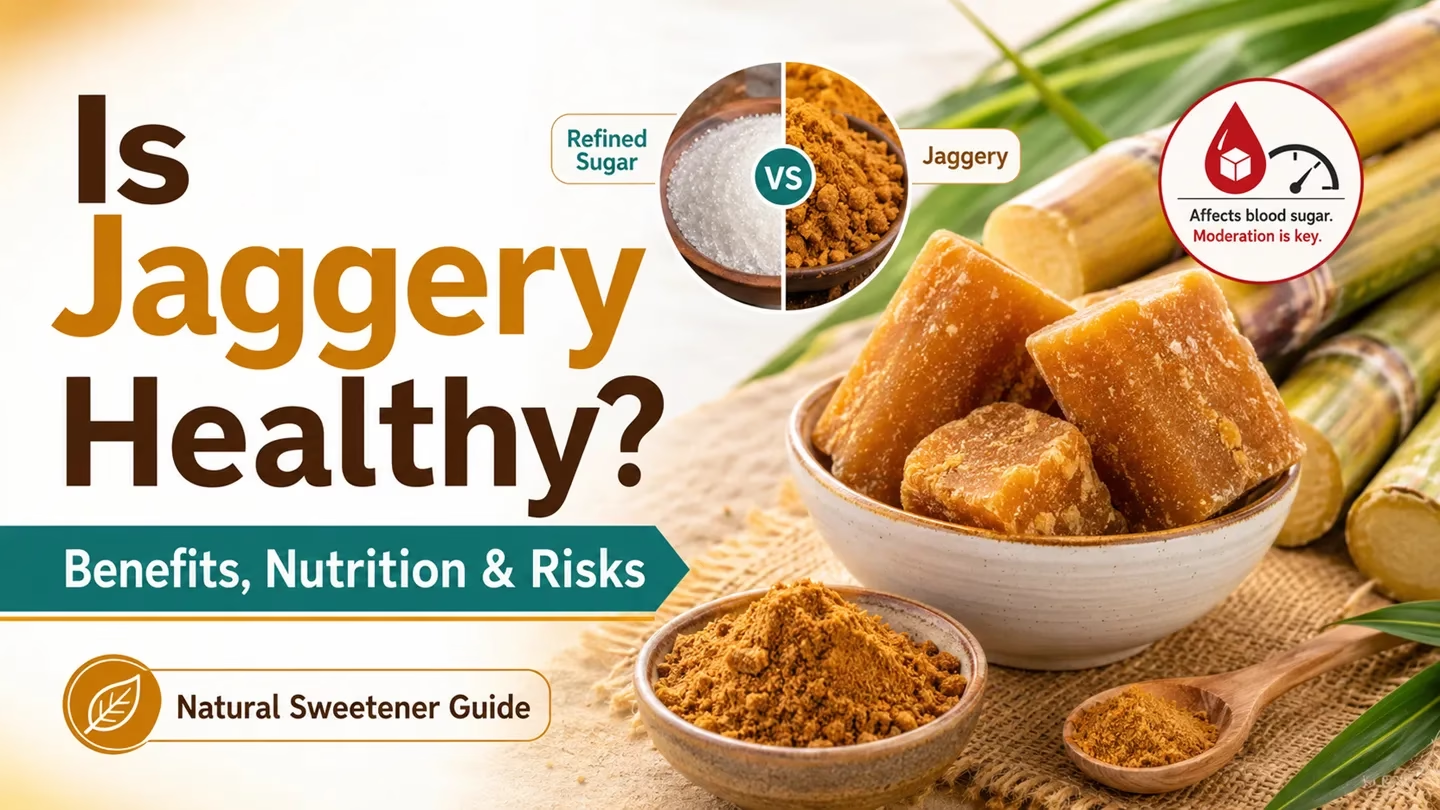
Jaggery, also known as gur, panela, or palm sugar, is a traditional sweetener made from sugarcane juice or palm sap. It has a deep golden-brown color, a rich caramel-like taste, and is widely used in South Asian, African, Latin American, and Southeast Asian cuisines.
Many people consider jaggery a healthier alternative to white sugar because it is less processed and contains small amounts of minerals. But there is an important truth to understand:
Jaggery is still sugar.
It may contain more nutrients than refined white sugar, but it can still raise blood glucose, add calories, and contribute to weight gain if consumed in excess. So the best way to use jaggery is not as a “medicine,” but as a more natural sweetener used in moderation.
What Is Jaggery?
Jaggery is an unrefined or minimally refined sweetener produced by boiling sugarcane juice or palm sap until it thickens and solidifies.
Depending on the source and region, jaggery may be called:
- Gur in India and Pakistan
- Panela in Latin America
- Piloncillo in Mexico
- Palm sugar in Southeast Asia
Unlike refined sugar, jaggery is not heavily processed, so it retains small amounts of minerals and plant compounds from the original juice or sap.
How Is Jaggery Made?
The traditional process is simple:
- Sugarcane juice or palm sap is extracted.
- The liquid is filtered to remove impurities.
- It is boiled until water evaporates.
- The thick syrup is cooled.
- It solidifies into blocks, cones, powder, or granules.
Because jaggery is less refined than white sugar, it keeps some natural color, flavor, minerals, and antioxidants.
Jaggery Nutrition: What Does It Contain?
Jaggery contains mostly carbohydrates in the form of sugar. It may also contain small amounts of:
- Iron
- Potassium
- Magnesium
- Calcium
- Phosphorus
- Antioxidants
- Plant compounds
This is why jaggery is often described as more nutritious than refined sugar. However, the amount of nutrients in a normal serving is usually small. To get a meaningful amount of minerals from jaggery, you would need to eat a large quantity, which would also mean consuming too much sugar and too many calories.
In simple words: jaggery has more nutrients than white sugar, but it is not a good source of nutrients compared with whole foods like fruits, vegetables, beans, nuts, and dairy.
Is Jaggery Better Than White Sugar?
Jaggery is less processed and contains trace minerals, while refined sugar mainly provides calories without meaningful nutrients.
So yes, jaggery may be a slightly better option than white sugar from a nutritional point of view.
But the difference should not be exaggerated. Both jaggery and sugar are sweeteners. Both can raise blood sugar. Both can contribute to excess calorie intake if used frequently.
Use jaggery for flavor, not as a health treatment.
Possible Benefits of Jaggery
1. It Is Less Refined Than White Sugar
One reason people prefer jaggery is that it undergoes less processing. This helps retain its natural color, molasses-like flavor, and small amounts of minerals.
If you are choosing between refined sugar and jaggery for occasional use, jaggery may offer a richer taste and slightly better nutritional value.
2. It Contains Trace Minerals
Jaggery can contain iron, potassium, magnesium, and calcium. These minerals support normal body functions such as oxygen transport, muscle function, nerve signaling, and bone health.
However, jaggery should not be used to treat iron deficiency or anemia. If someone has low hemoglobin or iron deficiency, they need proper evaluation, iron-rich foods, and sometimes supplements prescribed by a healthcare professional.
3. It Has Antioxidant Compounds
Because jaggery is less refined, it may contain small amounts of antioxidants and plant compounds. Antioxidants help protect cells from oxidative stress.
But again, fruits, vegetables, herbs, nuts, and legumes are far better antioxidant sources than jaggery.
4. It May Support Traditional Recipes and Cultural Diets
Jaggery is commonly used in traditional foods, herbal drinks, festive sweets, chutneys, and homemade snacks.
Using jaggery in small amounts can make a recipe more flavorful while reducing dependence on highly refined white sugar. But portion control is still important.
5. It May Be Useful as a Quick Energy Source
Because jaggery is rich in carbohydrates, it can provide quick energy. This is why it is often used traditionally after physical work or in winter foods.
But for people with diabetes, insulin resistance, fatty liver, obesity, or high triglycerides, frequent use is not recommended without medical or dietitian guidance.
Jaggery and Diabetes: Is It Safe?
This is where many online articles mislead readers.
Jaggery is not a diabetes-friendly sweetener. It can still raise blood sugar significantly. Some sources report that jaggery has a moderate to high glycemic index, and people with diabetes should treat it like sugar rather than a safe substitute.
If you have diabetes or prediabetes:
- Do not replace sugar with jaggery thinking it is safe.
- Count it as added sugar.
- Use only small amounts if your doctor or dietitian allows.
- Monitor blood glucose response.
- Prefer unsweetened foods and naturally fiber-rich options.
Possible Risks of Eating Too Much Jaggery
Eating too much jaggery can contribute to:
- High blood sugar
- Weight gain
- Increased triglycerides
- Fatty liver risk
- Dental cavities
- Cravings for sweet foods
- Poor diabetes control
Even natural sweeteners can harm health when used too often or in large portions.
How Much Jaggery Is Safe?
There is no perfect amount for everyone. It depends on your age, weight, activity level, diabetes status, total diet, and health goals.
For most healthy adults, jaggery should be used occasionally and in small amounts, just like sugar.
A practical rule:
- Use 1 to 2 teaspoons when needed, not several tablespoons daily.
- Avoid adding jaggery to every tea, dessert, or snack.
- Reduce total added sugar from all sources.
People with diabetes, prediabetes, obesity, fatty liver, high triglycerides, or kidney disease should be more cautious.
Healthy Ways to Use Jaggery
If you enjoy jaggery, use it thoughtfully.
You can add small amounts to:
- Tea or herbal drinks
- Homemade chutneys
- Oatmeal
- Traditional desserts
- Energy bites
- Sesame or peanut snacks
- Homemade granola
- Lentil-based sweet dishes
Better combinations include jaggery with fiber, protein, or healthy fats, such as nuts, seeds, yogurt, or whole grains. This may reduce the speed of sugar absorption compared with eating jaggery alone.
Better Alternatives for Daily Sweetness
If you are trying to reduce sugar intake, the best approach is to slowly train your taste buds to prefer less sweetness.
Try:
- Cinnamon for flavor
- Dates in small amounts
- Fresh fruits
- Unsweetened yogurt with berries
- Nuts and seeds
- Vanilla or cardamom
- Reducing sugar gradually in tea and coffee
The goal is not just to replace white sugar with jaggery. The real goal is to reduce overall added sugar.
Final Thoughts
Jaggery is a traditional, flavorful, less refined sweetener that contains small amounts of minerals and antioxidants. It may be slightly better than white sugar, but it is still mostly sugar.
Do not use jaggery as a treatment for anemia, immunity, digestion, diabetes, or weight loss. Use it as an occasional sweetener in small amounts.
For better health, focus on whole foods, balanced meals, regular activity, good sleep, and proper medical care when needed.
Disclaimer: This article is for educational purposes only and does not replace medical advice. People with diabetes, prediabetes, obesity, fatty liver, kidney disease, or high triglycerides should consult a healthcare professional before regularly using jaggery.
ABOUT THE AUTHOR
Dr. Abid Akram is a dedicated medical practitioner known for his patient-centered approach and strong clinical expertise. With an MBBS degree and years of hands-on experience, he has developed a keen interest in preventive healthcare and internal medicine. Dr. Abid firmly believes that health is not just about treating illness but about empowering individuals to make lifestyle choices that prevent disease and promote long-term well-being. His approachable personality and ability to explain complex medical concepts in simple terms make him a trusted doctor among his patients. Outside of his clinical practice, Dr. Abid contributes to community health awareness programs, aiming to bridge the gap between medical knowledge and everyday life.
- Dr. Abid Akram
- Dr. Abid Akram

- Dr. Abid Akram

- Dr. Abid Akram












Add comment