
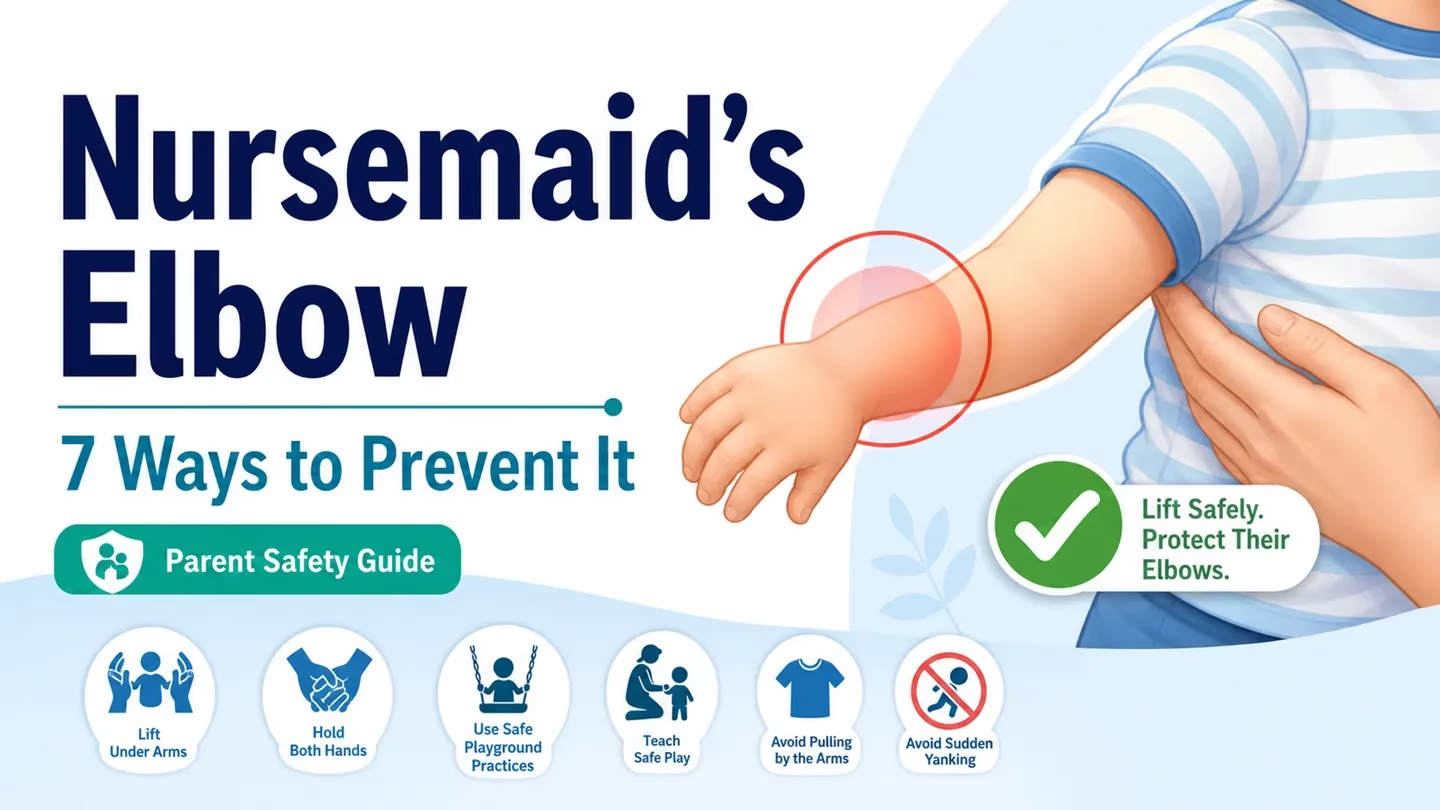
Nursemaid’s elbow, also called radial head subluxation or pulled elbow, is a common injury in young children. It happens when one of the bones in the forearm slightly slips out of its normal position near the elbow, usually after a sudden pull, tug, or jerk on the child’s arm.
This injury is most common in children between 1 and 4 years old, although it can sometimes happen in younger or older children too. The good news is that nursemaid’s elbow is often preventable with simple handling precautions.
Here are 7 practical ways parents and caregivers can reduce the risk.
1. Do Not Pull or Lift a Child by the Arm
The most important prevention step is simple: avoid pulling, lifting, or swinging your child by the hands, wrists, or forearms.
Even a small sudden pull can cause nursemaid’s elbow in toddlers because their ligaments are still developing and more flexible than adults’.
Avoid:
- Pulling a child quickly by the hand
- Lifting them by one arm
- Swinging them by both hands
- Dragging them forward when they resist walking
Instead, hold them gently and support their body properly.
2. Lift Your Child from Under the Armpits
When picking up a toddler, always lift them by placing your hands under their armpits or around their trunk.
This gives better support and avoids unnecessary pressure on the elbow joint.
This is especially important when:
- Taking them out of a car seat
- Lifting them onto a bed or chair
- Helping them climb stairs
- Picking them up quickly when they are upset or tired
Make sure grandparents, babysitters, nursery staff, and older siblings also know this.
3. Avoid Swinging Games by the Hands
Many children love being swung between two adults while holding hands. It may look harmless, but it is one of the classic ways nursemaid’s elbow can happen.
Avoid games where a child is:
- Swung by both hands
- Pulled upward by the wrists
- Spun around by the arms
Choose safer playful activities where the child’s body is supported from the trunk, not pulled through the arms.
4. Be Careful When Holding Hands While Walking
Holding hands is good for safety, especially near roads, stairs, or crowded places. But avoid sudden upward pulls if your child trips, runs ahead, or suddenly sits down.
If your child stumbles, try to support them from the body rather than yanking the arm upward. If they refuse to walk, pause, bend down, and guide them calmly instead of pulling hard.
Small changes in daily handling can prevent many injuries.
5. Teach Safe Play Habits
As children grow, teach them not to pull each other’s arms during play. Older siblings may not realize that toddlers’ joints are more delicate.
Teach children to avoid:
- Pulling a younger child by the hand
- Twisting arms during play
- Dragging someone across the floor
- Rough swinging or spinning games
Use simple language:
“Hold hands gently. Don’t pull the arm.”
6. Watch for Risky Situations at Home
Nursemaid’s elbow does not always happen during obvious rough play. It can happen during normal daily activities.
Be extra careful during:
- Dressing and undressing
- Pulling arms through tight sleeves
- Helping a child get up from the floor
- Preventing a fall
- Lifting a child in a hurry
When dressing your child, guide the sleeve over the arm gently instead of pulling the hand forcefully through the fabric.
7. Know the Warning Signs and Seek Medical Care
If nursemaid’s elbow happens, the child may suddenly stop using the affected arm. They may hold the arm close to the body, avoid bending the elbow, or cry when the arm is moved. There may be little or no swelling, which can confuse parents.
Seek medical care if your child:
- Suddenly refuses to use one arm
- Cries after the arm was pulled
- Holds the arm still at the side
- Has pain after a fall or pulling injury
- Has swelling, bruising, deformity, or severe pain
Do not try to “fix” the elbow yourself unless you are medically trained. A healthcare professional can assess the injury and treat it properly. If there is swelling, bruising, or a significant fall, the doctor may need to rule out fracture or other injury.
Final Thoughts
Nursemaid’s elbow can be frightening for parents, but prevention is often simple. Avoid pulling or lifting children by the arms, use proper lifting techniques, teach safe play, and make sure every caregiver knows how to handle toddlers gently.
A few mindful habits can protect your child’s small joints and prevent an avoidable injury.
Disclaimer: This article is for general educational purposes only and does not replace medical advice. If your child has arm pain, refuses to move the arm, or has swelling after an injury, seek medical care promptly.
ABOUT THE AUTHOR
Dr. Nora West is a highly skilled MBBS doctor with a special interest in women’s health and patient education. She is dedicated to providing compassionate care and believes in building strong doctor–patient relationships based on trust and understanding. Dr. Nora focuses on empowering her patients with the knowledge they need to make informed decisions about their health. She is particularly passionate about preventive medicine, nutrition, and lifestyle interventions that can significantly improve quality of life. Known for her warmth and professionalism, Dr. Nora combines evidence-based medicine with a personalized approach, ensuring every patient feels supported on their journey to better health.
- Dr. Nora West

- Dr. Nora West

- Dr. Nora West

- Dr. Nora West







Add comment