
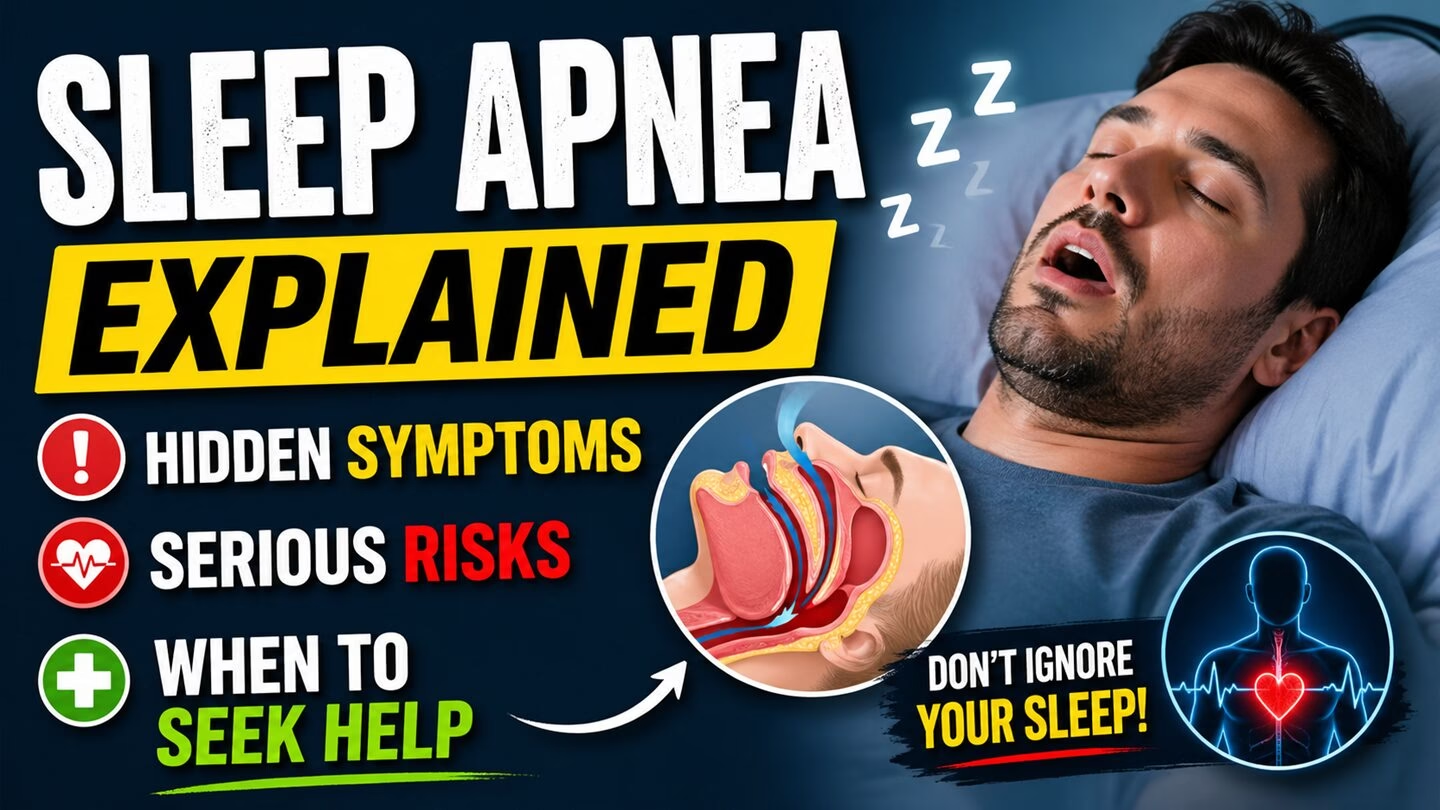
🧠 What Is Sleep Apnea?
Sleep apnea is a common but often underdiagnosed sleep disorder in which breathing repeatedly stops and starts during sleep. These interruptions—called apneic episodes—can last from a few seconds to over a minute and may occur dozens to hundreds of times per night.
The most common form is Obstructive Sleep Apnea (OSA), where the airway becomes partially or completely blocked during sleep. Other types include:
- Central sleep apnea – the brain fails to send proper signals to the breathing muscles
- Mixed sleep apnea – a combination of obstructive and central types
👉 The key issue: most individuals are unaware these events are happening.
⚠️ Hidden Symptoms You Should Never Ignore
Sleep apnea often remains undetected because its symptoms are subtle or occur during sleep.
🔍 Night-time signs:
- Loud, persistent snoring
- Choking, gasping, or snorting during sleep
- Frequent awakenings or restless sleep
- Observed breathing pauses (by a partner)
🌙 Day-time symptoms:
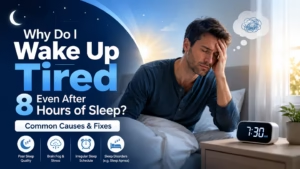
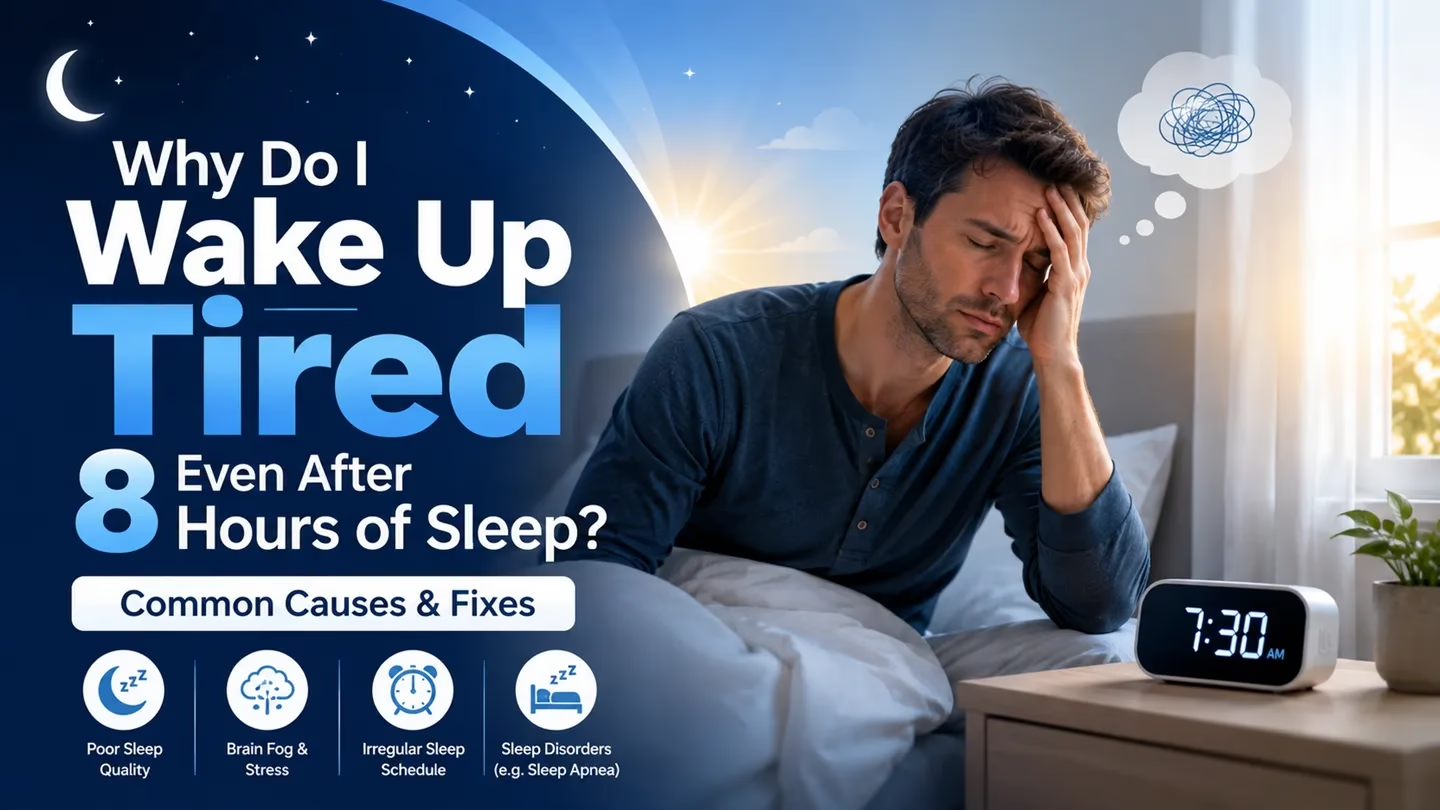
- Persistent fatigue despite adequate sleep duration
- Morning headaches
- Difficulty concentrating (brain fog)
- Daytime sleepiness or low energy
- Irritability, mood changes, or reduced productivity
- Dry mouth or sore throat on waking
👉 Many people attribute these symptoms to stress, workload, or aging, delaying proper diagnosis.
🫀 Why Sleep Apnea Is More Dangerous Than You Think
Sleep apnea is not just a sleep disorder—it is a systemic medical condition with significant long-term consequences.
Each episode of apnea leads to:
- Reduced oxygen levels in the blood
- Activation of the body’s stress response
- Increased strain on the heart and blood vessels
🚨 Long-term health risks:
- Hypertension (high blood pressure)
- Cardiovascular disease (heart attack, arrhythmias)
- Increased risk of stroke
- Type 2 diabetes and insulin resistance
- Weight gain and metabolic dysfunction
- Impaired cognitive function
👉 Untreated sleep apnea is strongly associated with increased cardiovascular morbidity and mortality.
🧬 Who Is at Risk?
While sleep apnea can affect anyone, certain factors significantly increase the likelihood:
- Overweight or obesity (especially fat distribution around the neck)
- Narrow airway, enlarged tonsils, or anatomical variations
- Age over 40 years
- Male gender (though women are frequently underdiagnosed)
- Family history of sleep apnea
- Alcohol or sedative use before bedtime
- Smoking
👉 Importantly, sleep apnea can also occur in young or non-obese individuals, especially if anatomical factors are present.
🧪 When Should You Get Tested?
Early diagnosis is crucial to prevent complications.
Consider evaluation if you have:
- Loud snoring combined with daytime fatigue
- Witnessed breathing pauses during sleep
- Excessive daytime sleepiness affecting daily functioning
- Resistant or unexplained high blood pressure
🔬 Diagnostic methods:
- Polysomnography (sleep study) in a clinical setting
- Home sleep apnea testing (HSAT) for selected cases
👉 Diagnosis is based on the Apnea-Hypopnea Index (AHI), which measures the severity of breathing interruptions.
💡 How Is Sleep Apnea Treated?
Treatment depends on severity, underlying cause, and patient factors.
🛠️ Standard medical treatment:
- CPAP Machine (Continuous Positive Airway Pressure)
- Keeps the airway open during sleep
- Considered the gold standard for moderate to severe cases
🌿 Lifestyle modifications:
- Weight reduction
- Regular physical activity
- Avoiding alcohol and sedatives before sleep
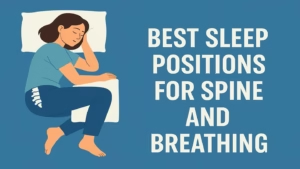
- Sleeping in a lateral (side) position
🦷 Additional options:
- Oral appliances (mandibular advancement devices)
- Surgical interventions (in selected cases)
👉 With proper treatment, patients often experience rapid improvement in sleep quality, energy, and overall health.
🚩 When to Seek Immediate Medical Attention
Urgent evaluation is recommended if you experience:
- Severe daytime sleepiness (risk of accidents)
- Chest pain or irregular heartbeat
- Episodes of waking up breathless
- Uncontrolled hypertension despite treatment
👉 These may indicate advanced or complicated sleep apnea requiring urgent care.
🧾 Final Takeaway
Sleep apnea is a silent yet serious condition that often goes unnoticed until complications develop.
✔️ Persistent fatigue is not normal
✔️ Loud snoring is not harmless
✔️ Poor sleep quality has real medical consequences
👉 Early recognition and treatment can prevent life-threatening complications and significantly improve quality of life.
ABOUT THE AUTHOR
Dr. Alex Sam is a passionate healthcare professional with an MBBS and MRCGP degree and a strong commitment to modern medicine. Known for his empathetic approach, he emphasizes listening to his patients and understanding their unique health concerns before offering treatment. His areas of focus include family medicine and general health management, where he strives to provide holistic care that improves both physical and mental well-being. Dr. Alex is also a strong advocate for preventive screenings and early detection of diseases, ensuring his patients maintain healthier lives. With a calm demeanor and deep medical insight, he has earned the trust of both his patients and peers in the medical community.
- Dr. Alex Sam

- Dr. Alex Sam
- Dr. Alex Sam

- Dr. Alex Sam




Add comment