
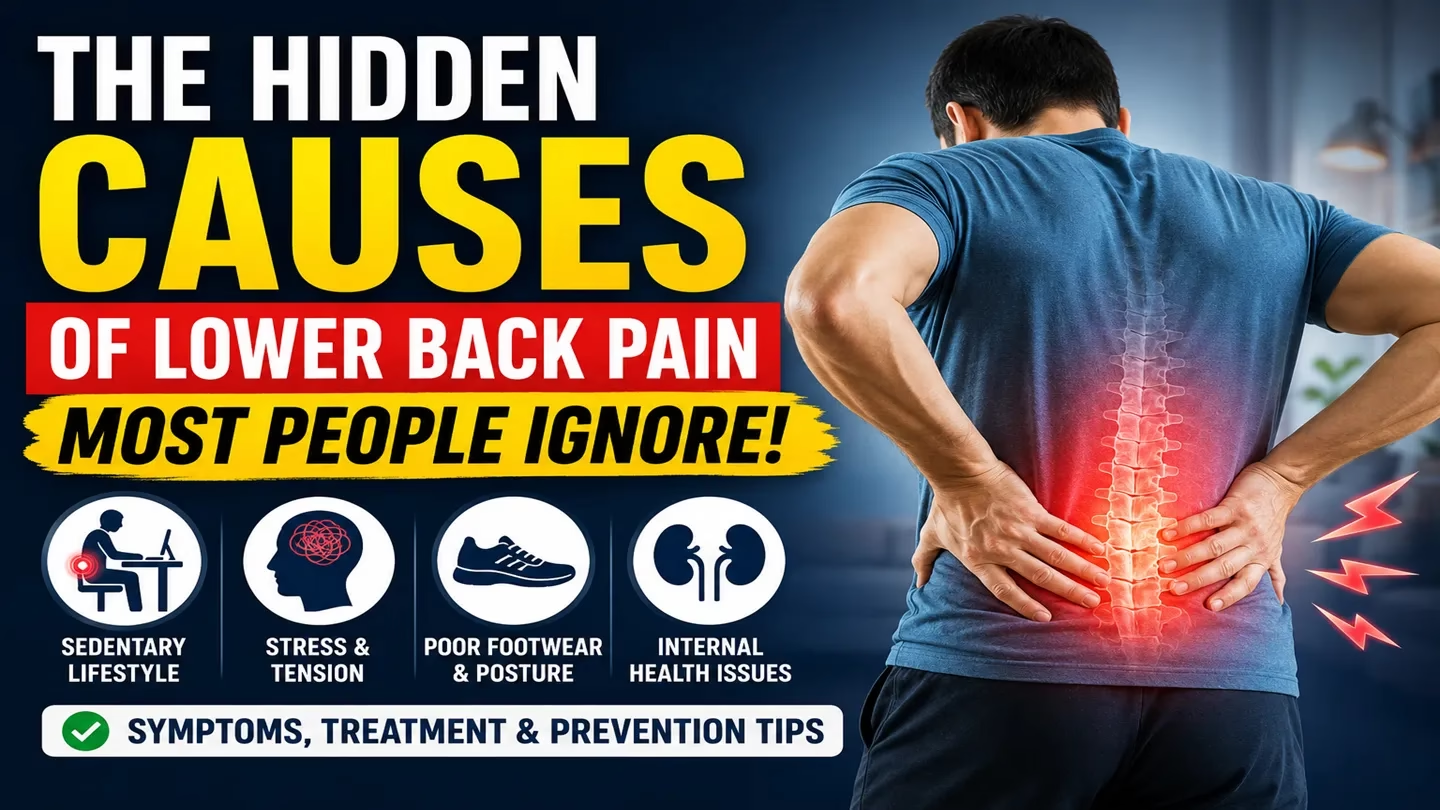
Lower back pain is one of the leading causes of disability worldwide and affects nearly 8 out of 10 people at some point in their lives. While many assume it’s simply caused by lifting heavy objects, aging, or poor posture, the reality is far more complex.
Many cases of persistent lower back pain are linked to overlooked lifestyle habits, underlying medical conditions, nutritional deficiencies, or even emotional stress. Ignoring these hidden causes can allow pain to become chronic, reducing mobility and quality of life.
This guide explains the most overlooked causes of lower back pain, their symptoms, effective treatments, and when you should seek medical care.
Common Symptoms of Lower Back Pain
Lower back pain can vary from mild discomfort to severe pain that interferes with everyday activities.
Common symptoms include:
- Dull aching pain
- Sharp or stabbing pain
- Muscle stiffness
- Pain that worsens after sitting
- Morning back stiffness
- Pain radiating into the buttocks or legs
- Difficulty bending or lifting
- Muscle spasms
- Reduced range of motion
If symptoms last more than 6 weeks, they are generally considered chronic lower back pain.
1. Sitting Too Much and Weak Core Muscles
One of today’s biggest causes of lower back pain isn’t heavy work—it’s too much sitting.
Extended sitting weakens the abdominal muscles, glutes, and hip stabilizers. As these muscles lose strength, the lower back must compensate, increasing stress on the lumbar spine.
Warning Signs
- Pain after sitting for long periods
- Stiffness when standing
- Poor posture
- Weak abdominal muscles
Prevention
- Stand every 30–60 minutes.
- Perform daily stretching.
- Strengthen your core with:
- Planks
- Bird-dogs
- Bridges
- Dead bugs
- Side planks
Regular walking is also one of the simplest ways to improve spinal health.
2. Poor Posture—Not Just at Work
Poor posture isn’t limited to office chairs.
Modern habits like looking down at phones, slouching on sofas, working from bed, or improper lifting techniques place repeated stress on spinal discs and muscles.
Common Signs
- Rounded shoulders
- Neck and lower back pain
- Pain after computer work
- Frequent muscle fatigue
What Helps
- Keep screens at eye level.
- Maintain lumbar support while sitting.
- Keep both feet flat on the floor.
- Avoid sitting continuously for hours.
3. Emotional Stress and Anxiety
Many people don’t realize that chronic stress can contribute significantly to lower back pain.
Stress increases muscle tension and alters pain perception. People under prolonged stress often unconsciously tighten their back muscles throughout the day.
Symptoms
- Back pain without obvious injury
- Muscle tightness
- Poor sleep
- Fatigue
- Headaches
Treatment
Evidence suggests these approaches can help:
- Meditation
- Yoga
- Deep breathing exercises
- Cognitive behavioral therapy (CBT)
- Regular exercise
- Good sleep habits
4. Poor Sleep Position and an Unsupportive Mattress
Your spine spends nearly one-third of the day in bed.
A worn-out mattress or poor sleeping posture can keep spinal muscles under constant stress.
Signs
- Morning lower back pain
- Pain improves after moving around
- Difficulty finding a comfortable position
Best Sleeping Positions
- Sleep on your side with a pillow between your knees.
- Back sleepers can place a pillow beneath the knees.
- Avoid sleeping on your stomach whenever possible.
A medium-firm mattress often provides the best spinal support for many adults.
5. Improper Footwear and Walking Mechanics
Your feet affect the alignment of your knees, hips, pelvis, and spine.
Flat feet, high arches, worn-out shoes, or abnormal walking patterns can gradually contribute to chronic back pain.
Warning Signs
- Uneven shoe wear
- Hip or knee pain
- Foot pain
- Feeling unbalanced
Solutions
- Wear supportive footwear.
- Replace worn shoes regularly.
- Consider orthotic insoles if recommended by a healthcare professional.
- Seek gait assessment if pain persists.
6. Long Hours Driving
Driving places continuous pressure on the lumbar spine due to vibration, prolonged sitting, and limited movement.
Professional drivers and commuters commonly experience chronic lower back pain.
Symptoms
- Pain after driving
- Hip stiffness
- Muscle tightness
Prevention
- Adjust the seat to support your lower back.
- Use a lumbar cushion.
- Keep knees slightly lower than hips.
- Stop every 1–2 hours during long trips to stretch.
7. Vitamin D and Magnesium Deficiency
Deficiencies in certain nutrients may contribute to muscle weakness, fatigue, and bone discomfort.
Vitamin D deficiency is especially common among people with limited sun exposure, darker skin, obesity, or older age.
Possible Symptoms
- Muscle weakness
- Frequent cramps
- Bone tenderness
- Fatigue
- Generalized aches
What to Do
Don’t start supplements blindly.
A healthcare provider may recommend blood tests before prescribing Vitamin D or magnesium supplements.
A balanced diet, appropriate sunlight exposure, and supplementation (when medically indicated) can help.
8. Herniated Disc or Sciatica
Sometimes back pain originates from spinal discs rather than muscles.
A herniated or bulging disc may compress nearby nerves, causing sciatica.
Symptoms
- Pain shooting down one leg
- Numbness
- Tingling
- Muscle weakness
- Pain worsened by coughing or sneezing
Treatment
Many cases improve with:
- Physical therapy
- Exercise
- Anti-inflammatory medications (when appropriate)
- Activity modification
Persistent neurological symptoms require medical evaluation.
9. Arthritis and Degenerative Spine Changes
Age-related wear and tear can affect spinal joints and discs.
Common conditions include:
- Osteoarthritis
- Degenerative disc disease
- Facet joint arthritis
- Spinal stenosis
Symptoms
- Chronic stiffness
- Reduced flexibility
- Pain after standing
- Pain relieved by sitting (especially spinal stenosis)
Treatment often includes exercise, weight management, physical therapy, and medications as advised by a healthcare professional.
10. Inflammatory Diseases (Ankylosing Spondylitis)
Not all chronic back pain is mechanical.
Inflammatory disorders like ankylosing spondylitis usually begin before age 45 and improve with movement rather than rest.
Warning Signs
- Morning stiffness lasting over 30 minutes
- Pain improves with exercise
- Nighttime back pain
- Family history of autoimmune disease
Early diagnosis by a rheumatologist can help prevent long-term spinal damage.
11. Kidney Problems and Other Internal Conditions
Pain originating from internal organs may feel like back pain.
Possible causes include:
- Kidney stones
- Kidney infections
- Pancreatitis
- Endometriosis
- Ovarian cysts
- Abdominal aortic aneurysm (medical emergency)
Symptoms That Suggest an Internal Cause
- Pain on one side
- Fever
- Burning during urination
- Blood in urine
- Nausea
- Pain unrelated to movement
Seek prompt medical evaluation if these symptoms occur.
12. Excess Body Weight
Being overweight places extra stress on the spine and accelerates disc degeneration.
Research consistently shows obesity increases the risk of chronic lower back pain.
Healthy weight loss through balanced nutrition and regular exercise can significantly reduce spinal strain.
When Lower Back Pain Is a Medical Emergency
Seek immediate medical attention if lower back pain occurs with:
- Loss of bladder or bowel control
- Severe leg weakness
- Numbness around the groin or buttocks (saddle anesthesia)
- High fever with severe back pain
- Sudden pain after major trauma
- Unexplained weight loss
- History of cancer with new back pain
- Severe pain that doesn’t improve with rest
- Persistent night pain
These symptoms may indicate serious conditions requiring urgent treatment.
How Lower Back Pain Is Diagnosed
Your healthcare provider may recommend:
- Medical history and physical examination
- Neurological examination
- Blood tests (when infection or inflammatory disease is suspected)
- X-rays
- MRI scan
- CT scan
- Bone density testing (in selected patients)
Imaging is not routinely necessary for most cases of acute lower back pain unless red flag symptoms are present.
Evidence-Based Treatments for Lower Back Pain
Depending on the underlying cause, treatment may include:
- Staying physically active
- Physical therapy
- Core strengthening exercises
- Weight management
- Heat or cold therapy
- Ergonomic workplace adjustments
- Stretching routines
- Prescription or over-the-counter medications when appropriate
- Stress reduction techniques
- Injections or surgery for carefully selected cases
Most uncomplicated episodes of lower back pain improve within several weeks with conservative care.
Tips to Prevent Lower Back Pain
Simple lifestyle changes can significantly reduce your risk:
- Exercise at least 150 minutes per week.
- Strengthen your core muscles.
- Maintain a healthy weight.
- Lift objects correctly using your legs.
- Avoid prolonged sitting.
- Wear supportive shoes.
- Improve your workstation ergonomics.
- Sleep on a supportive mattress.
- Stop smoking, as it accelerates disc degeneration.
- Stay hydrated and eat a balanced diet.
Frequently Asked Questions (FAQs)
What is the most common hidden cause of lower back pain?
Weak core muscles, prolonged sitting, poor posture, stress, obesity, and sleep-related spinal strain are among the most overlooked contributors.
Can stress really cause lower back pain?
Yes. Chronic stress can increase muscle tension and amplify pain sensitivity, leading to persistent lower back discomfort even without injury.
Why is my lower back pain worse in the morning?
Morning pain may result from poor sleeping posture, an unsupportive mattress, inflammatory arthritis, or muscle stiffness that improves with movement.
When should I worry about lower back pain?
Seek medical attention if pain lasts more than six weeks, is severe, follows major trauma, or is accompanied by fever, weight loss, leg weakness, numbness, or bladder or bowel problems.
Final Thoughts
Lower back pain is rarely caused by a single factor. In many people, it results from a combination of poor posture, prolonged sitting, weak core muscles, stress, excess weight, nutritional deficiencies, sleep habits, or underlying medical conditions. Identifying the true cause is essential for lasting relief.
While many cases improve with exercise, posture correction, weight management, and healthy lifestyle changes, persistent or worsening pain should never be ignored. Early medical evaluation can help identify serious conditions before they lead to long-term complications.
By understanding these hidden causes and taking proactive steps, you can reduce your risk of chronic back pain, improve spinal health, and maintain an active, pain-free lifestyle.
ABOUT THE AUTHOR
Dr. Nora West is a highly skilled MBBS doctor with a special interest in women’s health and patient education. She is dedicated to providing compassionate care and believes in building strong doctor–patient relationships based on trust and understanding. Dr. Nora focuses on empowering her patients with the knowledge they need to make informed decisions about their health. She is particularly passionate about preventive medicine, nutrition, and lifestyle interventions that can significantly improve quality of life. Known for her warmth and professionalism, Dr. Nora combines evidence-based medicine with a personalized approach, ensuring every patient feels supported on their journey to better health.
- Dr. Nora West

- Dr. Nora West
- Dr. Nora West

- Dr. Nora West







Add comment