
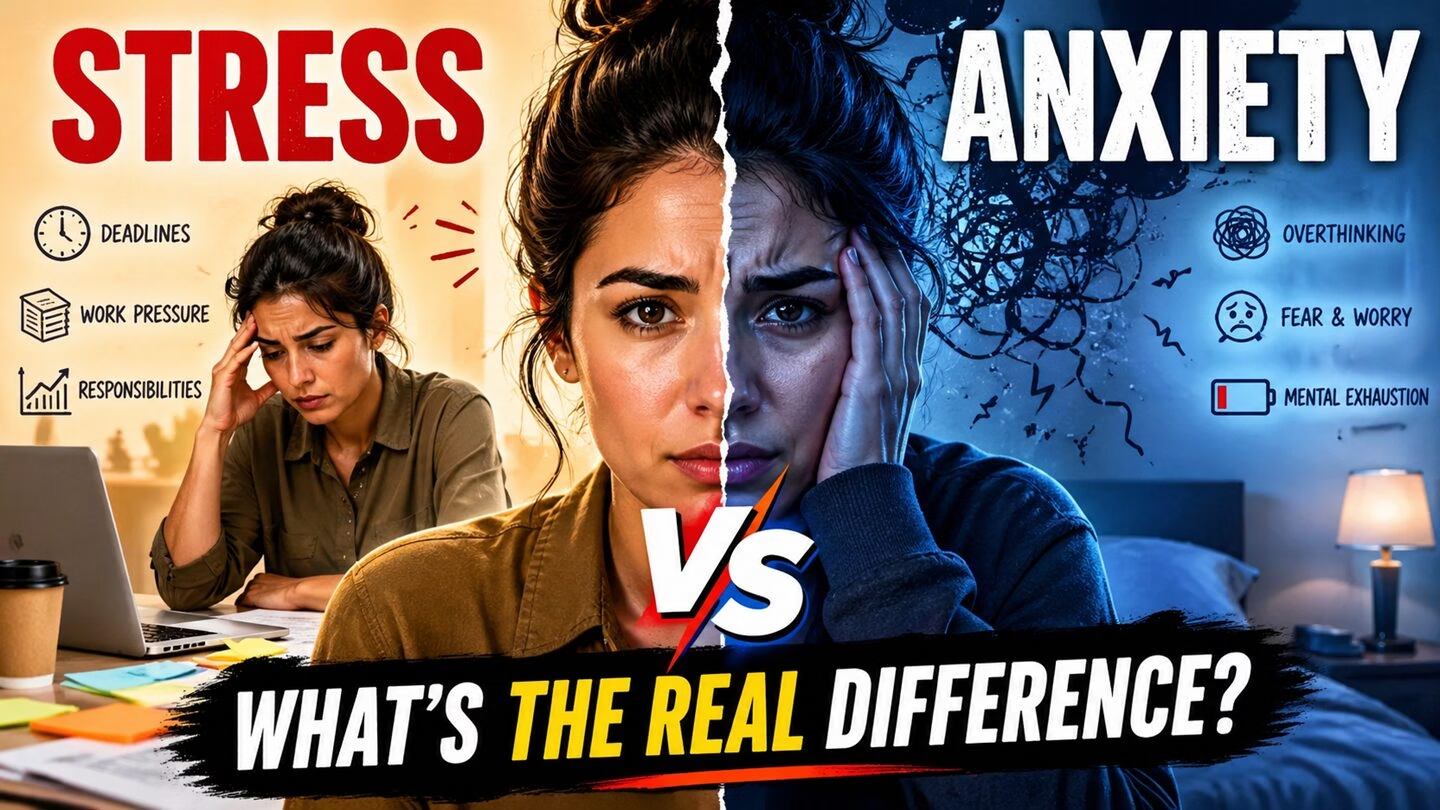
Understanding the difference between stress and anxiety is crucial—because while they may feel similar, they are not the same condition. Misunderstanding them can delay proper management and worsen symptoms over time.
This guide breaks it down in a simple, clinical, and practical way—so you can identify what you’re experiencing and take the right steps.
⚡ What Is Stress?
Stress is your body’s natural response to a challenge or demand.
👉 It is usually triggered by an external factor.
🔍 Common Stress Triggers:
- Work deadlines
- Exams
- Financial pressure
- Relationship conflicts
- Major life changes
🧬 What Happens in Your Body?
- Activation of the fight-or-flight response
- Release of stress hormones (cortisol, adrenaline)
- Increased heart rate and alertness
⏳ Key Feature:
👉 Stress is temporary and usually goes away once the situation resolves.
🌪️ What Is Anxiety?
Anxiety is a persistent feeling of fear, worry, or unease—often without a clear cause.
👉 It can continue even when there is no immediate threat.
🔍 Common Anxiety Triggers:
- Overthinking about the future
- Health worries
- Social situations
- Sometimes no identifiable trigger at all
🧬 What Happens in Your Body?
- Continuous activation of stress response
- Heightened nervous system sensitivity
- Difficulty relaxing even at rest
⏳ Key Feature:
👉 Anxiety persists and can interfere with daily life.
⚖️ Anxiety vs Stress: Side-by-Side Comparison
| Feature | Stress | Anxiety |
|---|---|---|
| 🔹 Cause | External (clear trigger) | Internal (often unclear) |
| 🔹 Duration | Short-term | Long-lasting |
| 🔹 Intensity | Mild to moderate | Can be severe |
| 🔹 Resolution | Improves when trigger ends | May persist without reason |
| 🔹 Impact | Situational | Can affect daily functioning |
🚨 Symptoms: Where They Overlap
Both stress and anxiety can cause similar physical and emotional symptoms:
🧠 Mental Symptoms:
- Restlessness
- Irritability
- Difficulty concentrating
- Sleep disturbances
💓 Physical Symptoms:
- Rapid heartbeat
- Muscle tension
- Headaches
- Fatigue
- Digestive issues
👉 This overlap is why many people confuse the two.
🔎 Key Signs You’re Dealing With Anxiety (Not Just Stress)
- You feel worried even when everything seems fine
- The feeling lasts for weeks or months
- You struggle to control your thoughts
- It affects sleep, work, or relationships
- You avoid situations due to fear
⚠️ When Stress Turns Into Anxiety
Chronic, unmanaged stress can gradually evolve into anxiety.
👉 Example:
- Constant work pressure → ongoing worry → sleep issues → persistent anxiety
This is why early management of stress is critical.
🧘 How to Manage Stress Effectively
✔️ Quick Strategies:
- Take short breaks during work
- Practice deep breathing
- Stay physically active
- Prioritize sleep
- Limit caffeine intake
🌿 How to Reduce Anxiety
✔️ Science-Backed Techniques:
- Breathing exercises (e.g., 4-7-8 method)
- Mindfulness and grounding techniques
- Cognitive Behavioral strategies (CBT principles)
- Reduce screen time and overstimulation
- Seek professional help when needed
🏥 When Should You Seek Help?
Consider professional support if:
- Symptoms persist for more than 2 weeks
- Panic attacks occur
- Daily functioning is affected
- You feel overwhelmed or unable to cope
👉 Early intervention can prevent long-term mental health issues.
💡 Final Takeaway
- Stress is a normal, short-term response to external challenges
- Anxiety is a persistent internal state that may require attention
👉 Not all stress is harmful—but untreated anxiety should never be ignored
🎯 Quick Summary
- Stress = Temporary + External trigger
- Anxiety = Persistent + Internal feeling
- Both share symptoms—but differ in duration and impact
ABOUT THE AUTHOR
Dr. Alex Sam is a passionate healthcare professional with an MBBS and MRCGP degree and a strong commitment to modern medicine. Known for his empathetic approach, he emphasizes listening to his patients and understanding their unique health concerns before offering treatment. His areas of focus include family medicine and general health management, where he strives to provide holistic care that improves both physical and mental well-being. Dr. Alex is also a strong advocate for preventive screenings and early detection of diseases, ensuring his patients maintain healthier lives. With a calm demeanor and deep medical insight, he has earned the trust of both his patients and peers in the medical community.
- Dr. Alex Sam

- Dr. Alex Sam

- Dr. Alex Sam
- Dr. Alex Sam






Add comment