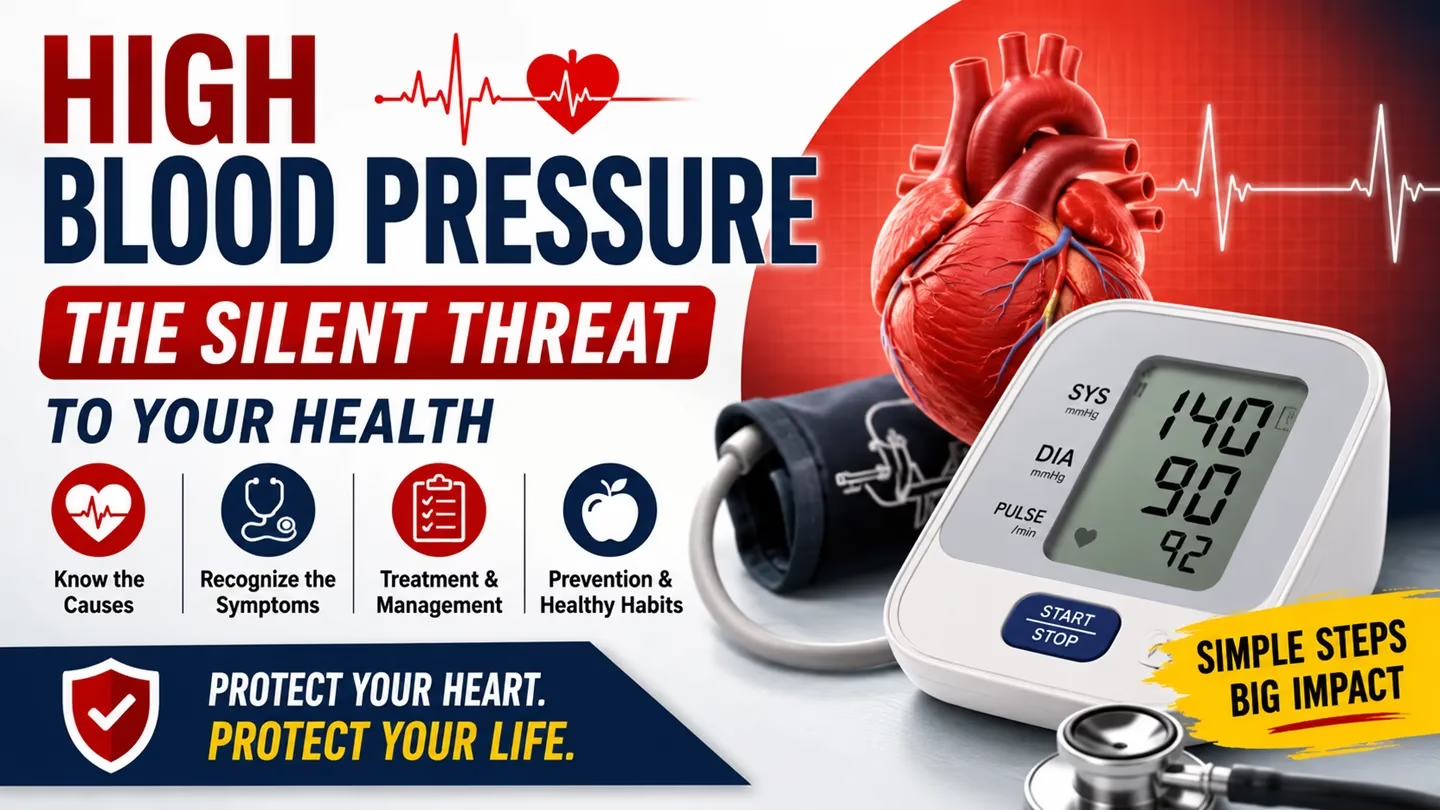
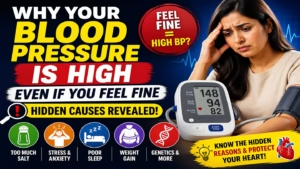
High blood pressure, medically known as hypertension, affects more than 1.3 billion adults worldwide and remains one of the leading causes of heart disease, stroke, kidney failure, and premature death. What makes hypertension particularly dangerous is that it often develops without noticeable symptoms, earning it the nickname “the silent killer.”
The good news is that high blood pressure is both preventable and treatable. Early diagnosis, healthy lifestyle changes, and appropriate medical treatment can dramatically reduce the risk of life-threatening complications.
In this comprehensive guide, you’ll learn everything you need to know about high blood pressure, including symptoms, causes, risk factors, diagnosis, treatment, prevention, and the latest blood pressure guidelines.
What Is High Blood Pressure?
Blood pressure measures the force of blood pushing against your artery walls as the heart pumps blood throughout the body.
A blood pressure reading contains two numbers:
- Systolic Pressure (Top Number): Pressure when the heart contracts.
- Diastolic Pressure (Bottom Number): Pressure when the heart relaxes between beats.
Blood pressure is measured in millimeters of mercury (mm Hg).
Blood Pressure Chart
| Category | Blood Pressure |
|---|---|
| Normal | Less than 120/80 mm Hg |
| Elevated | 120–129 and less than 80 |
| Stage 1 Hypertension | 130–139 or 80–89 |
| Stage 2 Hypertension | 140/90 mm Hg or higher |
| Hypertensive Crisis | Higher than 180/120 mm Hg (requires immediate medical attention) |
Important: A diagnosis of hypertension is usually based on multiple readings taken on different occasions, not a single high reading.
Why Is High Blood Pressure Dangerous?
High blood pressure forces your heart to work harder than normal.
Over time, this extra strain damages:
- Blood vessels
- Heart
- Brain
- Kidneys
- Eyes
- Peripheral arteries
Because damage occurs gradually and silently, many people don’t realize they have hypertension until serious complications develop.
Types of Hypertension
1. Primary (Essential) Hypertension
This is the most common type, accounting for about 90–95% of cases.
It develops gradually over many years without a single identifiable cause.
2. Secondary Hypertension
Secondary hypertension results from another medical condition or medication.
Common causes include:
- Kidney disease
- Hormonal disorders
- Sleep apnea
- Thyroid disease
- Certain medications (NSAIDs, steroids, decongestants, birth control pills)
- Illegal drugs such as cocaine or amphetamines
Treating the underlying condition often improves blood pressure.
High Blood Pressure Symptoms
Most people experience no symptoms, even when blood pressure reaches dangerously high levels.
However, severely elevated blood pressure may cause:
- Severe headache
- Blurred or double vision
- Chest pain
- Shortness of breath
- Dizziness
- Nosebleeds
- Confusion
- Fatigue
- Irregular heartbeat
These symptoms require urgent medical evaluation, especially if blood pressure exceeds 180/120 mm Hg.
Causes and Risk Factors
Several factors increase the risk of developing hypertension.
Lifestyle Factors
- High salt (sodium) intake
- Low potassium intake
- Poor diet
- Physical inactivity
- Obesity
- Smoking
- Excess alcohol consumption
- Chronic stress
- Poor sleep
Medical Conditions
- Diabetes
- Chronic kidney disease
- High cholesterol
- Sleep apnea
- Thyroid disorders
- Hormonal disorders
Non-Modifiable Risk Factors
- Increasing age
- Family history
- Male sex before age 65
- Women after menopause
- Certain ethnic backgrounds
Hidden Risk Factors Many People Ignore
Many people develop high blood pressure despite believing they live a healthy lifestyle.
Common overlooked causes include:
- Eating processed foods with hidden sodium
- Poor sleep quality
- Untreated sleep apnea
- Chronic dehydration
- Excess caffeine in sensitive individuals
- Long-term stress
- Sedentary office jobs
- Certain herbal supplements
- Frequent use of painkillers (NSAIDs)
Complications of Uncontrolled High Blood Pressure
Untreated hypertension can affect nearly every organ.
Heart
- Heart attack
- Heart failure
- Enlarged heart
- Coronary artery disease
- Irregular heartbeat
Brain
- Stroke
- Transient ischemic attack (TIA)
- Vascular dementia
- Memory loss
Kidneys
- Chronic kidney disease
- Kidney failure
Eyes
- Hypertensive retinopathy
- Vision loss
Blood Vessels
- Peripheral artery disease
- Aneurysm
Sexual Health
- Erectile dysfunction in men
- Reduced sexual function in women
How Is High Blood Pressure Diagnosed?
Healthcare providers diagnose hypertension using:
- Repeated blood pressure measurements
- Home blood pressure monitoring
- 24-hour ambulatory blood pressure monitoring (when necessary)
Additional tests may include:
- Blood tests
- Urine analysis
- ECG (Electrocardiogram)
- Echocardiogram
- Kidney function tests
- Cholesterol testing
How to Lower High Blood Pressure Naturally
Lifestyle modifications are the first step for many people.
1. Follow the DASH Diet
The DASH (Dietary Approaches to Stop Hypertension) eating plan is one of the most effective dietary approaches.
Eat more:
- Fruits
- Vegetables
- Whole grains
- Beans
- Fish
- Skinless poultry
- Low-fat dairy
- Nuts
- Healthy fats
Limit:
- Salt
- Sugary drinks
- Processed foods
- Saturated fats
- Red meat
2. Reduce Sodium Intake
Aim for:
- Less than 2,300 mg/day
- Ideally 1,500 mg/day for adults with hypertension
Read nutrition labels carefully because packaged foods often contain hidden sodium.
3. Exercise Regularly
Aim for:
- At least 150 minutes of moderate-intensity exercise each week
Examples include:
- Brisk walking
- Cycling
- Swimming
- Dancing
- Light jogging
Adding strength training twice weekly provides additional cardiovascular benefits.
4. Lose Excess Weight
Even losing 5–10% of body weight can significantly reduce blood pressure.
Waist circumference is also important because excess abdominal fat increases cardiovascular risk.
5. Quit Smoking
Smoking damages blood vessels immediately and greatly increases the risk of:
- Heart attack
- Stroke
- Peripheral artery disease
Quitting provides immediate and long-term health benefits.
6. Limit Alcohol
Recommended limits:
- Women: Up to 1 drink daily
- Men: Up to 2 drinks daily
Heavy drinking significantly raises blood pressure.
7. Manage Stress
Healthy stress-management techniques include:
- Meditation
- Yoga
- Deep breathing exercises
- Regular exercise
- Spending time outdoors
- Adequate sleep
- Social support
8. Improve Sleep
Adults should aim for 7–9 hours of quality sleep each night.
Persistent snoring, daytime sleepiness, or pauses in breathing during sleep should be evaluated for sleep apnea.
Blood Pressure Medications
Lifestyle changes alone may not be enough.
Doctors commonly prescribe:
- ACE inhibitors
- ARBs (Angiotensin Receptor Blockers)
- Calcium channel blockers
- Diuretics (water pills)
- Beta-blockers (for selected patients)
Never stop taking blood pressure medication without consulting your healthcare provider.
How to Measure Blood Pressure at Home
For accurate readings:
- Rest quietly for 5 minutes.
- Avoid caffeine, smoking, and exercise for at least 30 minutes beforehand.
- Sit upright with your feet flat on the floor.
- Support your arm at heart level.
- Use the correct cuff size.
- Take two readings one minute apart.
- Measure at the same time each day.
Keeping a blood pressure diary helps your doctor assess treatment effectiveness.
When Should You Seek Emergency Care?
Call emergency medical services immediately if your blood pressure is 180/120 mm Hg or higher and you experience:
- Chest pain
- Severe headache
- Difficulty breathing
- Vision loss
- Weakness or numbness
- Confusion
- Difficulty speaking
These may indicate a hypertensive emergency, heart attack, or stroke.
Frequently Asked Questions (FAQs)
Can high blood pressure be cured?
Most cases cannot be permanently cured, but they can be effectively controlled through healthy lifestyle changes and medication when necessary.
What foods lower blood pressure?
Foods rich in potassium, magnesium, calcium, and fiber such as bananas, leafy greens, berries, beans, oats, yogurt, salmon, and nuts can support healthy blood pressure.
Is coffee bad for high blood pressure?
Caffeine can temporarily increase blood pressure in some people. Most healthy adults can consume moderate amounts, but individuals with hypertension should discuss caffeine intake with their healthcare provider.
Can stress cause high blood pressure?
Chronic stress may contribute to long-term hypertension by promoting unhealthy behaviors and increasing stress hormone levels.
Key Takeaways
- High blood pressure often develops without symptoms.
- Regular blood pressure checks are essential.
- Healthy eating, exercise, weight management, and limiting sodium are highly effective prevention strategies.
- Medication may be necessary for many individuals.
- Controlling blood pressure dramatically lowers the risk of heart attack, stroke, kidney disease, and vision loss.
- Never ignore very high blood pressure or warning symptoms.
Conclusion
High blood pressure is one of the most preventable causes of cardiovascular disease, yet millions of people remain unaware they have it. Because hypertension often causes no symptoms until serious damage has occurred, routine screening is essential.
By adopting a heart-healthy lifestyle, monitoring your blood pressure regularly, following your healthcare provider’s recommendations, and taking prescribed medications when needed, you can protect your heart, brain, kidneys, and overall health for years to come.
ABOUT THE AUTHOR
Dr. Nora West is a highly skilled MBBS doctor with a special interest in women’s health and patient education. She is dedicated to providing compassionate care and believes in building strong doctor–patient relationships based on trust and understanding. Dr. Nora focuses on empowering her patients with the knowledge they need to make informed decisions about their health. She is particularly passionate about preventive medicine, nutrition, and lifestyle interventions that can significantly improve quality of life. Known for her warmth and professionalism, Dr. Nora combines evidence-based medicine with a personalized approach, ensuring every patient feels supported on their journey to better health.
- Dr. Nora West
- Dr. Nora West
- Dr. Nora West
- Dr. Nora West




Add comment