When people think about health risks, they often imagine smoking, excessive alcohol consumption, or serious diseases. However, many of the biggest threats to your health are far less obvious.
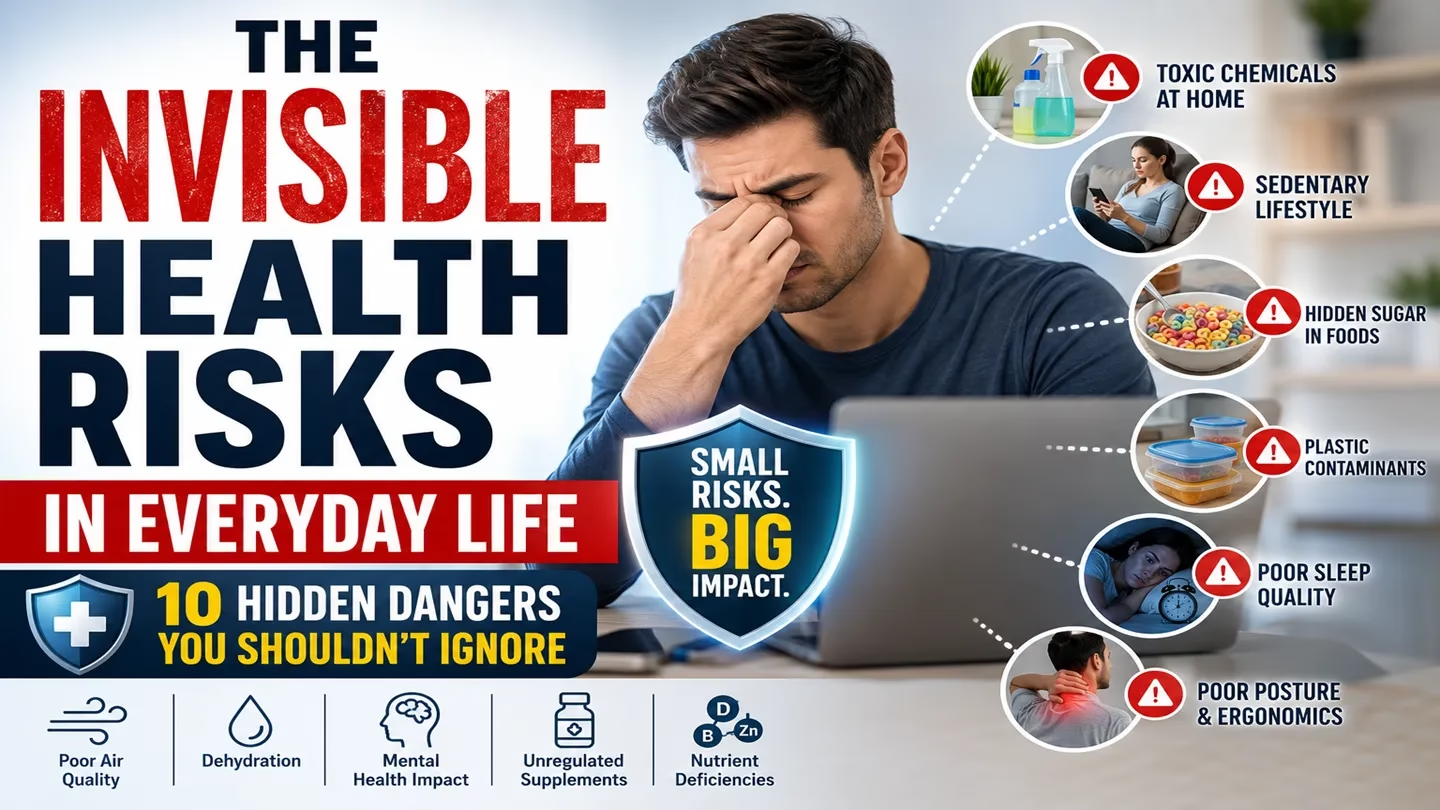
Hidden health risks exist in our homes, workplaces, diets, and daily habits. While they may not cause immediate symptoms, they can gradually contribute to chronic diseases, poor mental health, fatigue, obesity, and cardiovascular problems over time.
The good news is that most of these everyday health risks are preventable. Small lifestyle changes can significantly improve your long-term health.
Here are 10 science-backed hidden health hazards and practical ways to reduce your risk.
1. Poor Indoor Air Quality
Many people spend 90% of their time indoors, where air pollution may actually be worse than outdoor pollution.
Indoor pollutants include:
- Dust mites
- Mold spores
- Pet dander
- Tobacco smoke
- Cooking fumes
- Volatile Organic Compounds (VOCs) from paints, furniture, air fresheners, and cleaning products
Long-term exposure may increase the risk of:
- Allergies
- Asthma
- Headaches
- Eye irritation
- Respiratory infections
How to reduce indoor air pollution
- Open windows regularly for ventilation.
- Use HEPA air purifiers if needed.
- Avoid smoking indoors.
- Choose low-VOC paints and cleaning products.
- Clean air conditioner filters regularly.
- Control indoor humidity to prevent mold growth.
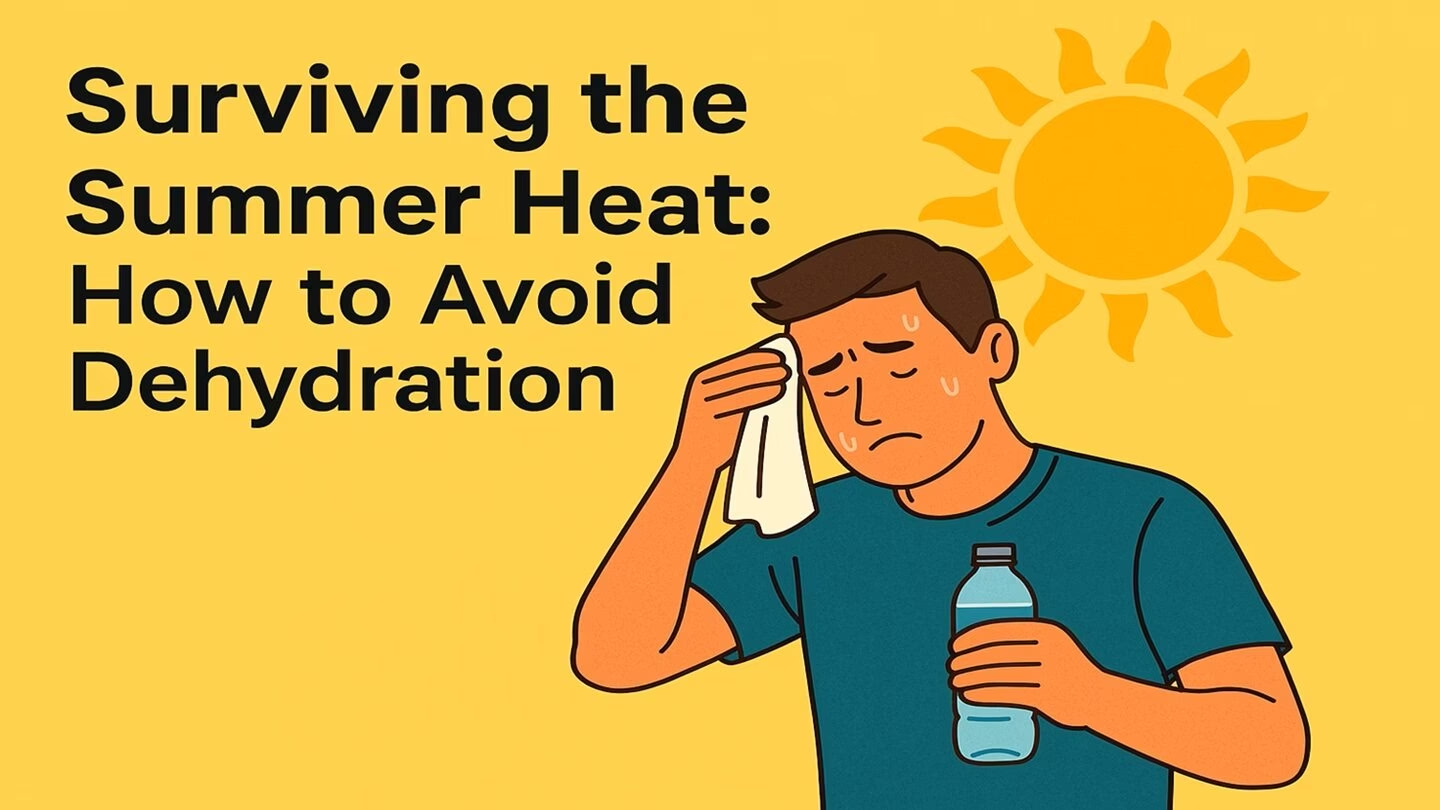
2. Chronic Mild Dehydration
Many adults don’t drink enough fluids throughout the day.
Even mild dehydration can affect:
- Concentration
- Mood
- Physical performance
- Digestion
- Kidney function
Common signs include:
- Dark yellow urine
- Dry mouth
- Fatigue
- Headaches
- Dizziness
Stay properly hydrated
Instead of following the “8 glasses” rule alone, drink enough fluids to keep your urine pale yellow. Your hydration needs vary depending on age, climate, exercise, illness, and pregnancy.
Good choices include:
- Water
- Milk
- Herbal tea
- Water-rich fruits
- Vegetables
3. Sitting Too Much
Modern lifestyles encourage prolonged sitting during:
- Office work
- Driving
- Watching TV
- Gaming
- Smartphone use
Research links prolonged sitting with an increased risk of:
- Heart disease
- Type 2 diabetes
- Obesity
- Back pain
- Poor circulation
- Early death
Even regular exercise doesn’t completely eliminate the risks of excessive sitting.
Reduce sedentary time
- Stand every 30–60 minutes.
- Walk while taking phone calls.
- Use stairs whenever possible.
- Stretch regularly.
- Aim for at least 150 minutes of moderate exercise weekly.
4. Hidden Sugar in Everyday Foods
Many foods marketed as “healthy” contain surprising amounts of added sugar.
Examples include:
- Flavored yogurt
- Breakfast cereals
- Granola bars
- Protein bars
- Pasta sauces
- Fruit juices
- Sports drinks
- Salad dressings
Excess sugar intake contributes to:
- Weight gain
- Fatty liver disease
- Type 2 diabetes
- Tooth decay
- Chronic inflammation
Reduce added sugar
- Read nutrition labels.
- Choose unsweetened products.
- Eat whole fruits instead of fruit juice.
- Prepare meals at home whenever possible.
5. Chemicals from Plastics
Certain plastics may contain chemicals such as Bisphenol A (BPA) and phthalates, which can migrate into food, especially when heated.
Research is ongoing, but long-term exposure has been linked to possible effects on:
- Hormone regulation
- Fertility
- Child development
- Metabolic health
Reduce exposure
- Avoid microwaving food in plastic containers.
- Store food in glass or stainless steel containers.
- Replace damaged plastic containers.
- Limit highly processed packaged foods.
6. Poor Sleep Quality
Getting enough sleep isn’t just about the number of hours—it also depends on sleep quality.
Chronic sleep deprivation increases the risk of:
- High blood pressure
- Obesity
- Depression
- Diabetes
- Heart disease
- Reduced immune function
Adults generally need 7–9 hours of quality sleep each night.
Improve sleep naturally
- Keep a consistent bedtime.
- Reduce screen exposure before bed.
- Avoid heavy meals late at night.
- Limit caffeine in the afternoon and evening.
- Keep your bedroom cool, quiet, and dark.
7. Nutrient Deficiencies That Go Unnoticed
Many nutrient deficiencies develop gradually and may cause subtle symptoms.
Common deficiencies include:
- Vitamin D
- Iron
- Vitamin B12
- Magnesium
- Folate
Possible symptoms include:
- Fatigue
- Muscle weakness
- Poor concentration
- Hair loss
- Frequent infections
- Pale skin
Protect yourself
- Eat a balanced diet rich in whole foods.
- Spend safe time outdoors for vitamin D.
- Have blood tests if recommended by your healthcare provider.
- Take supplements only when medically indicated.
8. Excessive Screen Time
Digital devices have become essential, but excessive screen time affects both physical and mental health.
Possible effects include:
- Digital eye strain
- Dry eyes
- Neck pain
- Poor posture
- Sleep disturbances
- Anxiety
- Reduced physical activity
Protect your eyes and body
- Follow the 20-20-20 rule:
- Every 20 minutes,
- Look at something 20 feet away,
- For at least 20 seconds.
- Take regular movement breaks.
- Limit recreational screen time.
- Avoid screens before bedtime.
9. Taking Supplements Without Medical Advice
Dietary supplements can be helpful for people with confirmed deficiencies, but “more” isn’t always better.
Excessive supplementation may lead to:
- Vitamin toxicity
- Drug interactions
- Kidney stones
- Liver problems
- Bleeding risks (certain herbal supplements)
Use supplements safely
- Consult your healthcare provider.
- Choose products tested by reputable third-party organizations.
- Follow recommended doses.
- Prioritize nutrients from food whenever possible.
10. Poor Posture and Ergonomics
Poor posture has become increasingly common due to prolonged computer and smartphone use.
Over time, it may contribute to:
- Neck pain
- Shoulder pain
- Headaches
- Lower back pain
- Muscle imbalance
- Reduced productivity
Improve your posture
- Keep your monitor at eye level.
- Sit with your feet flat on the floor.
- Support your lower back.
- Avoid looking down at your phone for long periods.
- Strengthen your core muscles through regular exercise.
Additional Hidden Health Risks Worth Knowing
Several other everyday habits can silently affect your health.
Excessive Noise Exposure
Frequent exposure to loud sounds can damage hearing and increase stress levels.
Loneliness and Social Isolation
Poor social connections have been associated with depression, heart disease, and reduced life expectancy.
Chronic Stress
Long-term stress contributes to inflammation and increases the risk of heart disease, anxiety, digestive disorders, and sleep problems.
Poor Oral Hygiene
Untreated gum disease has been linked to cardiovascular disease and diabetes.
Warning Signs You Shouldn’t Ignore
Seek medical advice if you experience:
- Persistent fatigue
- Unexplained weight loss
- Frequent headaches
- Chronic cough
- Difficulty breathing
- Chest pain
- Blood in urine or stool
- Persistent digestive symptoms
- Ongoing sleep problems
Early diagnosis often leads to better outcomes.
Frequently Asked Questions
What are hidden health risks?
Hidden health risks are everyday habits or environmental exposures that gradually affect your health without causing immediate symptoms. Examples include indoor air pollution, prolonged sitting, poor sleep, chronic stress, and excessive sugar intake.
Is sitting really bad for your health?
Yes. Long periods of uninterrupted sitting are associated with an increased risk of cardiovascular disease, diabetes, obesity, and premature death, even in people who exercise regularly.
How can I reduce health risks at home?
Improve ventilation, avoid smoking indoors, use safer cleaning products, maintain good sleep habits, stay active, eat a balanced diet, reduce added sugar, and limit unnecessary exposure to plastics.
Can indoor air affect my health?
Absolutely. Indoor pollutants such as mold, dust, VOCs, and smoke can worsen allergies, asthma, and other respiratory conditions.
Are dietary supplements always safe?
No. Supplements can interact with medications or cause side effects when taken in excessive amounts. Always seek medical advice before starting new supplements.
Key Takeaways
Many of the greatest threats to your health aren’t dramatic—they’re the small, everyday exposures and habits that accumulate over time.
To reduce your risk:
- Improve indoor air quality.
- Stay hydrated.
- Break up long periods of sitting.
- Limit added sugar.
- Reduce unnecessary plastic exposure.
- Prioritize quality sleep.
- Correct nutrient deficiencies.
- Manage screen time.
- Use supplements responsibly.
- Maintain good posture and ergonomics.
Small, consistent improvements in your daily routine can significantly reduce your risk of chronic disease and improve your overall quality of life.
Medical Disclaimer: This article is for educational purposes only and should not replace professional medical advice, diagnosis, or treatment. If you have persistent symptoms or concerns about your health, consult a qualified healthcare professional.
ABOUT THE AUTHOR
Dr. Alex Sam is a passionate healthcare professional with an MBBS and MRCGP degree and a strong commitment to modern medicine. Known for his empathetic approach, he emphasizes listening to his patients and understanding their unique health concerns before offering treatment. His areas of focus include family medicine and general health management, where he strives to provide holistic care that improves both physical and mental well-being. Dr. Alex is also a strong advocate for preventive screenings and early detection of diseases, ensuring his patients maintain healthier lives. With a calm demeanor and deep medical insight, he has earned the trust of both his patients and peers in the medical community.
- Dr. Alex Sam

- Dr. Alex Sam
- Dr. Alex Sam
- Dr. Alex Sam









Add comment