

Sexual health is much more than having a satisfying sex life. It affects your physical health, emotional well-being, self-confidence, relationships, fertility, and overall quality of life. Yet, despite its importance, many people avoid discussing sexual health because of embarrassment, cultural beliefs, or misinformation.
According to the World Health Organization (WHO), sexual health is a state of physical, emotional, mental, and social well-being related to sexuality, not simply the absence of disease or dysfunction.
Whether you’re looking to improve intimacy, prevent sexually transmitted infections (STIs), boost libido, or maintain reproductive health as you age, understanding sexual wellness is essential.
This comprehensive guide covers everything you need to know about improving sexual health naturally and medically while building healthier relationships.
What Is Sexual Health?
Sexual health refers to the ability to enjoy a safe, respectful, and satisfying sexual life while protecting yourself and your partner from preventable diseases and unwanted pregnancies.
Good sexual health includes:
- Healthy sexual relationships
- Mutual respect and consent
- Physical and emotional intimacy
- Prevention of sexually transmitted infections (STIs)
- Access to accurate sexual health education
- Healthy reproductive function
- Freedom from discrimination, coercion, or violence
Sexual health is important regardless of age, gender, sexual orientation, or relationship status.
Why Sexual Health Matters
Maintaining good sexual health contributes to:
- Better emotional well-being
- Stronger relationships
- Higher self-esteem
- Reduced stress
- Improved cardiovascular health
- Better sleep
- Increased life satisfaction
- Healthy family planning
- Early detection of medical conditions
In some cases, changes in sexual function can be the first sign of health problems such as diabetes, cardiovascular disease, hormonal disorders, thyroid disease, depression, or neurological conditions.
Common Sexual Health Problems
Many sexual health issues are common and treatable.
1. Sexually Transmitted Infections (STIs)
STIs remain one of the leading public health concerns worldwide.
Common STIs include:
- Chlamydia
- Gonorrhea
- Syphilis
- Human papillomavirus (HPV)
- Genital herpes
- HIV
- Hepatitis B
Many infections produce few or no symptoms initially, making regular screening especially important for sexually active individuals.
Possible symptoms include:
- Pain during urination
- Unusual discharge
- Genital sores or blisters
- Pelvic pain
- Rash
- Swollen lymph nodes
Early diagnosis and treatment help prevent complications and reduce transmission.
2. Erectile Dysfunction (ED)
Erectile dysfunction is the persistent inability to achieve or maintain an erection suitable for sexual activity.
Common causes include:
- Diabetes
- High blood pressure
- Heart disease
- Obesity
- Smoking
- Alcohol misuse
- Stress
- Anxiety
- Depression
- Low testosterone
- Certain medications
ED often improves when the underlying condition is treated.
3. Low Libido
Low sexual desire affects both men and women.
Potential causes include:
- Hormonal changes
- Stress
- Fatigue
- Relationship difficulties
- Depression
- Anxiety
- Menopause
- Pregnancy
- Chronic illnesses
- Medications such as antidepressants
Addressing the root cause often improves libido.
4. Pain During Sex (Dyspareunia)
Painful intercourse should never be ignored.
Possible causes include:
- Vaginal dryness
- Infections
- Pelvic floor disorders
- Endometriosis
- Menopause
- Skin conditions
- Emotional trauma
- Anxiety
A healthcare professional can determine the underlying cause and recommend treatment.
5. Fertility Problems
Infertility affects millions of couples worldwide.
Male factors may include:
- Low sperm count
- Poor sperm quality
- Hormonal disorders
- Varicocele
Female factors may include:
- Ovulation disorders
- Polycystic ovary syndrome (PCOS)
- Endometriosis
- Blocked fallopian tubes
- Age-related fertility decline
Early evaluation improves treatment options.
6. Sexual Dysfunction in Women
Female sexual dysfunction may involve:
- Reduced desire
- Difficulty becoming aroused
- Pain during intercourse
- Difficulty reaching orgasm
Hormonal, physical, emotional, and relationship factors often contribute.
How to Improve Sexual Health Naturally
1. Practice Safe Sex
Safe sex remains one of the most effective ways to protect your health.
Recommendations include:
- Use condoms correctly every time
- Get regular STI testing
- Limit high-risk sexual behaviors
- Consider HPV and hepatitis B vaccination when appropriate
- Discuss STI status openly with partners
- Avoid sharing sex toys without proper cleaning or barrier protection
2. Exercise Regularly
Physical activity improves:
- Blood circulation
- Cardiovascular health
- Hormone regulation
- Mood
- Energy
- Sexual performance
Aim for at least 150 minutes of moderate exercise each week, along with strength training on two or more days.
3. Eat a Healthy Diet
A nutrient-rich diet supports hormone production, circulation, fertility, and energy.
Include:
- Fruits
- Vegetables
- Whole grains
- Lean protein
- Fish rich in omega-3 fatty acids
- Nuts
- Seeds
- Healthy fats
- Adequate water intake
Limit:
- Processed foods
- Excess sugar
- Trans fats
- Excessive alcohol
4. Maintain a Healthy Weight
Obesity increases the risk of:
- Erectile dysfunction
- Infertility
- Low testosterone
- Hormonal imbalance
- Pregnancy complications
Losing even a modest amount of weight may improve sexual function.
5. Get Enough Sleep
Poor sleep reduces:
- Testosterone production
- Libido
- Energy
- Mood
- Sexual performance
Adults should aim for 7–9 hours of quality sleep each night.
6. Stop Smoking
Smoking damages blood vessels, reduces circulation, and increases the risk of:
- Erectile dysfunction
- Infertility
- Pregnancy complications
- Reduced sexual satisfaction
Quitting smoking can significantly improve sexual health over time.
7. Manage Stress
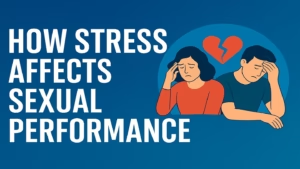
Chronic stress increases cortisol levels, which can interfere with sexual desire and performance.
Helpful stress-management techniques include:
- Meditation
- Deep breathing
- Yoga
- Regular exercise
- Counseling
- Spending time outdoors
- Healthy work-life balance
Mental Health and Sexual Wellness
Mental and sexual health are closely connected.
Conditions that may affect intimacy include:
- Depression
- Anxiety disorders
- PTSD
- Body image concerns
- Relationship conflict
- Past sexual trauma
If emotional factors interfere with sexual well-being, professional counseling or sex therapy can be highly beneficial.
Communication: The Foundation of Healthy Intimacy
Healthy relationships depend on honest communication.
Talk openly with your partner about:
- Sexual preferences
- Consent
- Boundaries
- Birth control
- STI testing
- Concerns
- Expectations
Open communication reduces misunderstandings and strengthens emotional intimacy.
Sexual Health Across Different Life Stages
Young Adults
Focus on:
- Consent
- Safe sex
- STI prevention
- HPV vaccination
- Healthy relationships
During Pregnancy
Sex is generally safe during uncomplicated pregnancies.
Consult your healthcare provider if you experience:
- Bleeding
- Fluid leakage
- Placenta previa
- Preterm labor risk
- Severe pain
Menopause
Hormonal changes may lead to:
- Vaginal dryness
- Lower libido
- Pain during intercourse
- Sleep disturbances
Treatment options include:
- Vaginal moisturizers
- Water- or silicone-based lubricants
- Pelvic floor exercises
- Hormone therapy (for selected individuals under medical guidance)
Older Adults
Healthy sexuality doesn’t end with age.
Older adults benefit from:
- Physical activity
- Management of chronic diseases
- Open communication
- Medication review
- Regular health checkups
Many people remain sexually active well into later life.
Men’s Sexual Health
Men should monitor:
- Erectile function
- Testosterone-related symptoms
- Testicular changes
- Urinary symptoms
- Fertility concerns
Seek medical attention for:
- Persistent erectile dysfunction
- Blood in semen
- Testicular lumps
- Painful ejaculation
- Persistent pelvic pain
Women’s Sexual Health
Women’s sexual health includes:
- Menstrual health
- Vaginal health
- Pelvic floor health
- Cervical screening
- Breast health
- Fertility
- Menopause care
Regular gynecological checkups help detect conditions early.
Sexual Health for LGBTQ+ Individuals
Everyone deserves respectful, inclusive healthcare.
Important considerations include:
- Access to LGBTQ+-affirming healthcare
- Regular STI screening based on individual risk
- Mental health support
- HIV prevention strategies such as pre-exposure prophylaxis (PrEP) for those at increased risk
- Accurate education tailored to diverse sexual practices
Healthcare should be free from discrimination and respectful of gender identity and sexual orientation.
Technology and Sexual Health
Digital healthcare has improved access to sexual wellness services.
Useful tools include:
- Telemedicine appointments
- Fertility tracking apps
- Menstrual cycle tracking
- Medication reminders
- Educational resources
However, always verify health information using reputable medical organizations and licensed healthcare professionals.
When Should You See a Doctor?
Consult a healthcare professional if you experience:
- Erectile dysfunction lasting more than a few weeks
- Persistent low libido
- Pain during sex
- Unusual genital discharge
- Genital sores or ulcers
- Pelvic pain
- Testicular lumps
- Infertility after 12 months of trying to conceive (or after 6 months if the female partner is age 35 or older)
- Abnormal vaginal bleeding
- Suspected STI exposure
Early diagnosis often leads to more effective treatment.
Myths About Sexual Health
Myth: STIs always cause symptoms.
Fact: Many STIs are asymptomatic, especially in their early stages.
Myth: Erectile dysfunction is a normal part of aging.
Fact: While ED becomes more common with age, it is not inevitable and often has treatable causes.
Myth: Low libido only affects women.
Fact: Men and women can both experience reduced sexual desire.
Myth: Condoms provide 100% protection against every STI.
Fact: Condoms greatly reduce the risk of many STIs but do not eliminate it entirely, particularly for infections spread through skin-to-skin contact.
Myth: Older adults don’t need sexual healthcare.
Fact: Sexual health remains important throughout life.
Frequently Asked Questions
What is the best way to improve sexual health naturally?
Regular exercise, a nutritious diet, adequate sleep, stress management, avoiding smoking, limiting alcohol, practicing safe sex, and maintaining open communication with your partner all support sexual health.
How often should I get tested for STIs?
Testing depends on your sexual activity, number of partners, and individual risk factors. Follow guidance from your healthcare provider and local public health recommendations.
Can stress reduce libido?
Yes. Chronic stress increases cortisol levels, which can decrease sexual desire, interfere with arousal, and contribute to erectile dysfunction or other sexual difficulties.
Does exercise improve sexual performance?
Yes. Regular physical activity supports cardiovascular health, circulation, hormone balance, stamina, and mood, all of which can positively affect sexual function.
Key Takeaways
Sexual health is an essential component of overall health and well-being. It encompasses physical, emotional, mental, and social aspects of sexuality. By practicing safe sex, maintaining a healthy lifestyle, communicating openly with partners, prioritizing mental health, and seeking medical care when needed, you can support lifelong sexual wellness.
Remember that many sexual health concerns—including erectile dysfunction, low libido, painful intercourse, infertility, and sexually transmitted infections—are common and often treatable. Staying informed, breaking the stigma around sexual health, and seeking evidence-based care are important steps toward a healthier, more satisfying intimate life.
ABOUT THE AUTHOR
Dr. Alex Sam is a passionate healthcare professional with an MBBS and MRCGP degree and a strong commitment to modern medicine. Known for his empathetic approach, he emphasizes listening to his patients and understanding their unique health concerns before offering treatment. His areas of focus include family medicine and general health management, where he strives to provide holistic care that improves both physical and mental well-being. Dr. Alex is also a strong advocate for preventive screenings and early detection of diseases, ensuring his patients maintain healthier lives. With a calm demeanor and deep medical insight, he has earned the trust of both his patients and peers in the medical community.
- Dr. Alex Sam

- Dr. Alex Sam
- Dr. Alex Sam

- Dr. Alex Sam







Add comment