In today’s fast-moving world, many people feel mentally overloaded. Constant notifications, work pressure, family responsibilities, poor sleep, and daily stress can quietly affect both mental and physical health.
This is where mindfulness can help.
Mindfulness is not about emptying the mind or forcing yourself to feel calm. It is the practice of paying attention to the present moment with awareness, patience, and without harsh judgment.
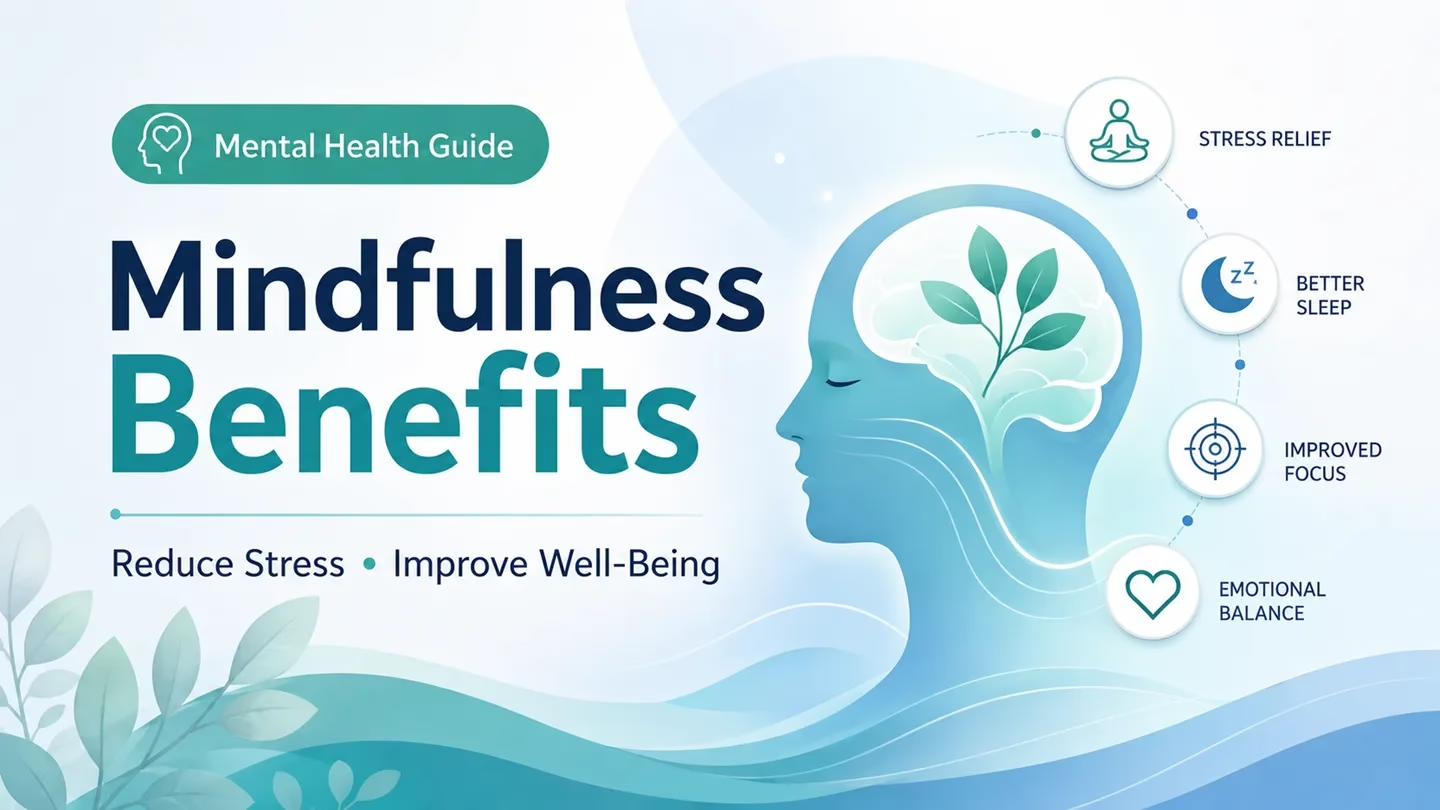
When practiced regularly, mindfulness may help reduce stress, improve emotional balance, support better sleep, and make it easier to respond calmly instead of reacting automatically. Research suggests mindfulness-based practices can help with anxiety, depression symptoms, stress, and some pain-related conditions, although it is not a cure or a replacement for medical care.
What Is Mindfulness?
Mindfulness means being fully aware of what is happening right now.
It can include awareness of:
- Your breathing
- Your thoughts
- Your emotions
- Body sensations
- Sounds around you
- The activity you are doing
For example, when you are eating mindfully, you notice the taste, smell, texture, and pace of eating instead of scrolling through your phone. When you are walking mindfully, you notice your steps, breathing, and surroundings instead of being lost in worry.
Mindfulness does not mean you will never feel stress. It means you learn to notice stress earlier and respond to it in a healthier way.
How Mindfulness Affects the Brain and Stress Response
Stress activates the body’s “fight or flight” response. This can increase heart rate, muscle tension, blood pressure, and stress hormones.
Mindfulness can help shift the body toward a calmer state by training attention and improving emotional regulation. Over time, this may help you pause before reacting, notice negative thought patterns, and handle difficult emotions with more clarity.
Psychological research has linked mindfulness with improvements in mental and physical well-being.
1. Mindfulness May Reduce Stress
One of the most common reasons people try mindfulness is stress relief.
Simple practices such as mindful breathing, body scan meditation, or sitting quietly for a few minutes can help calm the nervous system. This does not remove life’s problems, but it can reduce the intensity of your reaction to them.
Try this:
- Sit comfortably.
- Take a slow breath in.
- Exhale gently.
- Notice your breathing for 1 minute.
- When your mind wanders, bring it back without judging yourself.
Even a short daily practice is a good start.
2. It May Help With Anxiety and Overthinking
Anxiety often pulls the mind into “what if” thinking. Mindfulness helps bring attention back to what is happening now.
Instead of fighting every anxious thought, mindfulness teaches you to notice the thought and let it pass without immediately believing or reacting to it.
For example, instead of thinking, “I must stop this thought,” you can say, “This is an anxious thought. I can notice it without following it.”
This small shift can reduce the power of overthinking.
3. It Can Support Better Mood
Mindfulness may help improve mood by reducing rumination, which means repeatedly thinking about negative experiences.
When you become more aware of your thoughts, you can recognize patterns like self-criticism, worry, guilt, or fear. This awareness creates space to respond with more balance.
Mindfulness does not replace therapy for depression or anxiety disorders, but it can be a useful supportive tool, especially when combined with professional care.
4. It May Improve Sleep Quality
Many people struggle to sleep because their mind becomes active at night. Mindfulness can help reduce mental tension before bedtime.
Helpful bedtime practices include:
- Slow breathing
- Body scan meditation
- Gentle stretching
- Gratitude journaling
- Avoiding screens before sleep
The goal is not to “force sleep.” The goal is to help the body feel safe, relaxed, and ready for rest.
5. It May Help With Pain Management
Mindfulness does not remove pain, but it may change how the brain responds to pain.
People with chronic pain often experience a cycle of pain, fear, tension, and emotional distress. Mindfulness may help reduce the emotional struggle around pain and improve coping.
If you have chronic pain, mindfulness should be used as part of a medical plan, not as a replacement for diagnosis or treatment.
6. It Can Improve Focus and Self-Awareness
In a distracted world, attention is a skill. Mindfulness trains that skill.
Regular practice may help you:
- Notice distractions earlier
- Return to tasks more easily
- Improve listening
- Reduce impulsive reactions
- Become more aware of habits
This is especially useful for people who feel mentally scattered or constantly busy.
7. It Supports Healthier Eating Habits
Mindful eating means paying attention to hunger, fullness, taste, and eating speed.
It can help reduce emotional eating and overeating by making you more aware of why you are eating.
Try this:
- Eat without your phone for the first 5 minutes.
- Chew slowly.
- Notice when you feel satisfied.
- Ask: “Am I hungry, stressed, bored, or tired?”
This simple habit can improve your relationship with food.
8. It May Support Heart and Overall Health
Mindfulness may indirectly support physical health by reducing stress, improving sleep, supporting healthier choices, and helping with blood pressure control in some people.
However, it should not be presented as a guaranteed treatment for blood pressure, inflammation, or immune health. These areas are still being studied, and results vary from person to person.
Use mindfulness as one part of a healthy lifestyle that also includes exercise, balanced nutrition, good sleep, and regular medical care.
Simple Mindfulness Practices for Beginners
You do not need special equipment or a long meditation session. Start small.
Mindful Breathing
Sit quietly and focus on your breath for 1 to 3 minutes. When your mind wanders, gently return to the breath.
Body Scan
Slowly notice each part of your body from head to toe. Observe tension without forcing anything.
Mindful Walking
Walk slowly and notice each step, your breathing, and the feeling of your feet touching the ground.
Mindful Eating
Eat one meal or snack slowly without distractions. Notice taste, smell, texture, and fullness.
The 5-4-3-2-1 Grounding Method
Notice:
- 5 things you can see
- 4 things you can feel
- 3 things you can hear
- 2 things you can smell
- 1 thing you can taste
This can help bring your attention back to the present moment.
Common Challenges With Mindfulness
Many beginners think they are doing it wrong because their mind keeps wandering. But wandering is normal.
The practice is not to stop thoughts. The practice is to notice when your mind wanders and gently return.
Common challenges include:
- “I don’t have time.”
- “I can’t focus.”
- “I feel restless.”
- “My thoughts increase when I sit quietly.”
- “I don’t know if it is working.”
Start with just 1 minute daily. Consistency matters more than duration.
When to Seek Professional Help
Mindfulness can support mental well-being, but it is not enough for everyone.
Seek professional help if you have:
- Persistent anxiety or panic attacks
- Depression symptoms
- Thoughts of self-harm
- Trauma symptoms
- Severe insomnia
- Substance misuse
- Stress affecting your work, relationships, or daily life
Mindfulness works best when used wisely, not as a way to avoid proper care.
Final Thoughts
Mindfulness is a simple but powerful practice. It helps you slow down, notice your thoughts, regulate emotions, and reconnect with the present moment.
You do not need to meditate for an hour. Start with one mindful breath, one quiet minute, or one distraction-free meal.
Small moments of awareness, repeated daily, can gradually improve how you handle stress, emotions, sleep, and overall well-being.
Disclaimer: This article is for educational purposes only and does not replace medical or mental health advice. If you have severe anxiety, depression, trauma symptoms, or thoughts of self-harm, seek professional help immediately.
ABOUT THE AUTHOR
Dr. Alex Sam is a passionate healthcare professional with an MBBS and MRCGP degree and a strong commitment to modern medicine. Known for his empathetic approach, he emphasizes listening to his patients and understanding their unique health concerns before offering treatment. His areas of focus include family medicine and general health management, where he strives to provide holistic care that improves both physical and mental well-being. Dr. Alex is also a strong advocate for preventive screenings and early detection of diseases, ensuring his patients maintain healthier lives. With a calm demeanor and deep medical insight, he has earned the trust of both his patients and peers in the medical community.
- Dr. Alex Sam

- Dr. Alex Sam

- Dr. Alex Sam

- Dr. Alex Sam