
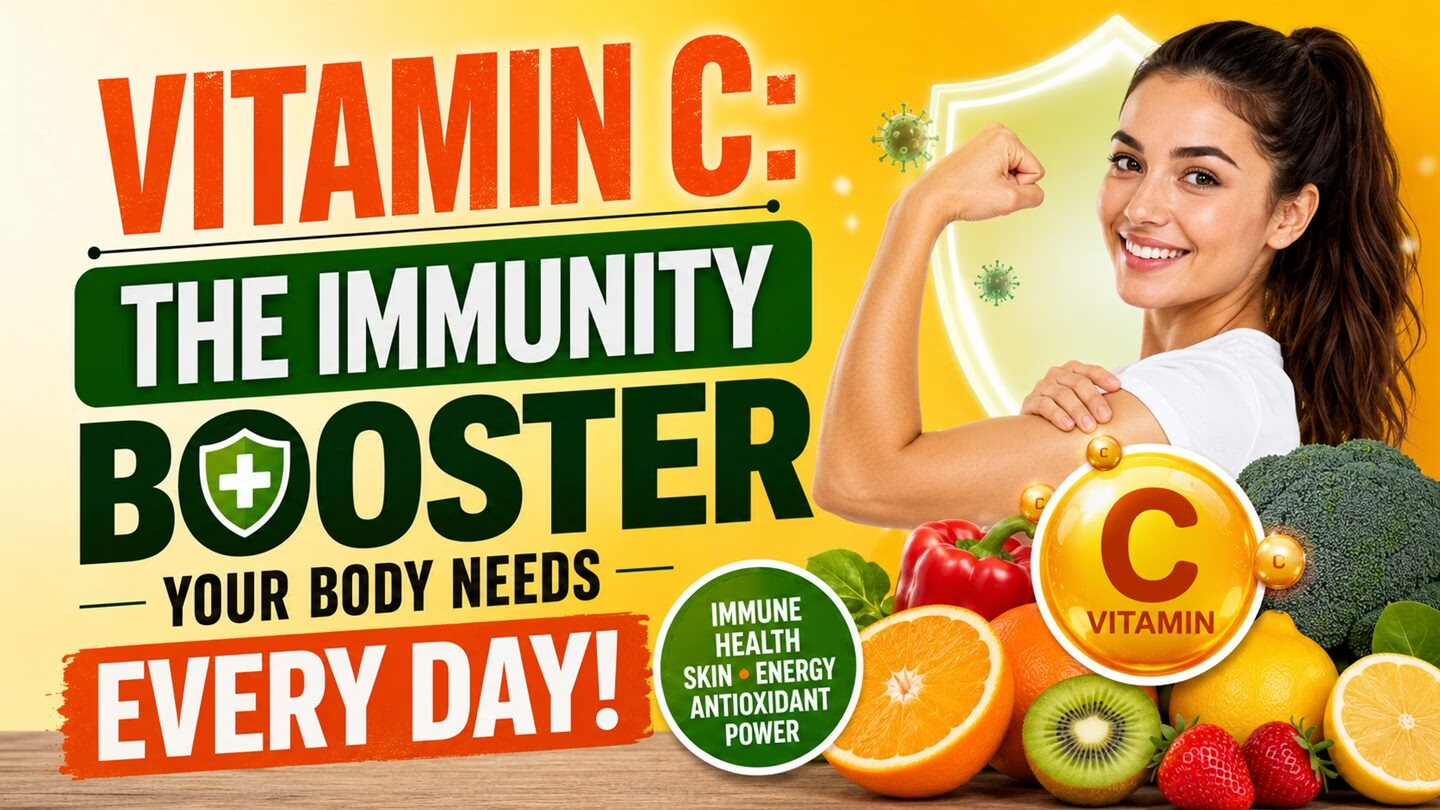
Vitamin C, also called ascorbic acid, is one of the most important water-soluble vitamins your body needs every day. It supports a healthy immune system, helps produce collagen for healthy skin and joints, improves iron absorption, protects cells from oxidative stress, and plays a vital role in wound healing.
Unlike most animals, humans cannot produce or store vitamin C. This means you need a steady supply from your diet or supplements. Because it isn’t stored in large amounts, consuming vitamin C-rich foods daily is essential for maintaining good health.
Whether your goal is stronger immunity, healthier skin, faster recovery, or better overall wellness, vitamin C deserves a permanent place in your daily nutrition.
What Is Vitamin C?
Vitamin C is an essential antioxidant that helps protect your body’s cells from damage caused by unstable molecules known as free radicals. It also acts as a cofactor for numerous enzymes involved in:
- Collagen production
- Immune function
- Wound healing
- Neurotransmitter production
- Iron absorption
- Tissue repair
- Blood vessel health
Because your body cannot make or store it efficiently, regular intake is crucial.
Top Vitamin C Benefits
1. Strengthens the Immune System
One of the most well-known vitamin C benefits is immune support.
Vitamin C helps:
- Improve white blood cell production
- Enhance immune cell function
- Protect immune cells from oxidative damage
- Support the body’s natural defense against infections
Research shows that vitamin C does not usually prevent the common cold in the general population, but regular intake may slightly reduce the duration and severity of cold symptoms, especially in physically active people or those under significant physical stress.
2. Supports Healthy Skin and Collagen Production
Vitamin C is essential for making collagen—the protein responsible for:
- Firm skin
- Strong bones
- Healthy cartilage
- Tendons
- Ligaments
- Blood vessels
Adequate vitamin C may help:
- Improve skin elasticity
- Promote wound healing
- Reduce visible signs of skin aging
- Support healthy scar formation
Because of these benefits, vitamin C is also a popular ingredient in many skincare products.
3. Powerful Antioxidant Protection
Vitamin C helps neutralize harmful free radicals that contribute to:
- Premature aging
- Chronic inflammation
- Heart disease
- Certain cancers
- Cataracts
- Neurodegenerative diseases
While antioxidants support overall health, they are only one part of a healthy lifestyle and should not be viewed as a cure or guaranteed prevention for chronic diseases.
4. Improves Iron Absorption
Vitamin C significantly increases the absorption of non-heme iron, the type found in plant-based foods.
This is especially beneficial for:
- Vegetarians
- Vegans
- Women with heavy menstrual bleeding
- People with iron deficiency
- Individuals at risk of anemia
Pairing foods like spinach, beans, or lentils with vitamin C-rich fruits or vegetables can greatly improve iron absorption.
5. Promotes Faster Wound Healing
Vitamin C supports tissue repair by helping your body produce collagen.
Adequate intake may:
- Speed recovery after surgery
- Improve wound healing
- Support recovery from injuries
- Help repair damaged skin
6. Supports Heart Health
Some studies suggest that diets rich in vitamin C are associated with:
- Healthier blood vessels
- Better endothelial function
- Reduced oxidative stress
- Slightly lower blood pressure in some individuals
However, vitamin C supplements alone have not consistently been shown to prevent cardiovascular disease.
7. Supports Brain Function
Vitamin C contributes to healthy brain function by helping produce neurotransmitters such as:
- Dopamine
- Norepinephrine
It also helps protect nerve cells from oxidative stress, which may support healthy cognitive aging.
8. May Support Eye Health
Vitamin C contributes to maintaining healthy blood vessels in the eyes and is included in research-backed nutritional formulas used for certain people with age-related macular degeneration (AMD).
Eating vitamin C-rich foods as part of a balanced diet may help support long-term eye health.
Vitamin C Deficiency Symptoms
Although severe deficiency is uncommon in many countries, mild deficiency is more common than many people realize.
Common symptoms include:
- Constant tiredness
- Weakness
- Frequent infections
- Slow wound healing
- Dry or rough skin
- Easy bruising
- Bleeding gums
- Swollen gums
- Nosebleeds
- Joint pain
- Muscle aches
- Poor immune function
Severe Vitamin C Deficiency (Scurvy)
Long-term deficiency can cause scurvy, characterized by:
- Severe fatigue
- Loose teeth
- Gum disease
- Poor wound healing
- Joint swelling
- Internal bleeding
Scurvy is rare today but can still occur in people with severely restricted diets or malnutrition.
How Much Vitamin C Do You Need Daily?
| Age Group | Recommended Daily Intake |
|---|---|
| Children (1–3 years) | 15 mg |
| Children (4–8 years) | 25 mg |
| Children (9–13 years) | 45 mg |
| Teens (14–18 years) | 65–75 mg |
| Adult Women | 75 mg |
| Adult Men | 90 mg |
| Pregnant Women | 85 mg |
| Breastfeeding Women | 120 mg |
Smokers require approximately 35 mg more vitamin C daily because smoking increases oxidative stress.
Best Vitamin C Foods
Many fruits and vegetables contain more vitamin C than oranges.
Excellent Sources
| Food | Approximate Vitamin C |
|---|---|
| Red bell pepper (½ cup) | 95 mg |
| Orange (1 medium) | 70 mg |
| Kiwi (1 medium) | 64 mg |
| Strawberries (1 cup) | 89 mg |
| Guava (1 fruit) | 125 mg |
| Papaya (1 cup) | 88 mg |
| Broccoli (½ cup cooked) | 51 mg |
| Brussels sprouts | 48 mg |
| Tomatoes | 20–25 mg |
| Kale | 53 mg |
Other good sources include:
- Lemons
- Grapefruit
- Mango
- Pineapple
- Cabbage
- Cauliflower
- Spinach
Cooking Tips to Preserve Vitamin C
Vitamin C is sensitive to:
- Heat
- Air
- Light
- Water
To retain more vitamin C:
- Eat fruits fresh whenever possible.
- Steam vegetables instead of boiling.
- Avoid overcooking.
- Cut produce just before serving.
- Store fruits and vegetables properly.
Should You Take Vitamin C Supplements?
Many healthy adults can meet their vitamin C needs through food alone.
A supplement may be beneficial if you:
- Eat very few fruits and vegetables
- Smoke
- Have digestive disorders that reduce nutrient absorption
- Have limited food intake
- Recover from illness or surgery
- Have medically diagnosed vitamin C deficiency
Common supplement forms include:
- Vitamin C tablets
- Chewable tablets
- Capsules
- Powders
- Buffered vitamin C
- Liposomal vitamin C
Most people do not need high-dose supplements unless advised by a healthcare professional.
Can You Take Too Much Vitamin C?
Although vitamin C is water-soluble, excessive supplementation can cause side effects.
Possible side effects include:
- Diarrhea
- Stomach cramps
- Nausea
- Heartburn
- Increased risk of kidney stones in susceptible individuals
The Tolerable Upper Intake Level (UL) for adults is 2,000 mg per day from supplements and food combined.
Who May Be at Higher Risk of Deficiency?
You may have a greater risk if you:
- Smoke cigarettes
- Drink excessive alcohol
- Have inflammatory bowel disease
- Have kidney disease requiring dialysis
- Eat a highly restrictive diet
- Are older with poor nutrition
- Have certain chronic illnesses
Frequently Asked Questions
Is it better to get vitamin C from food or supplements?
Food is the best source because it provides fiber, antioxidants, and other beneficial nutrients alongside vitamin C. Supplements can help when dietary intake is insufficient or deficiency is diagnosed.
Does vitamin C prevent colds?
Regular vitamin C intake may slightly shorten the duration and lessen the severity of common cold symptoms, but it does not reliably prevent colds in most people.
Can vitamin C improve skin?
Yes. Vitamin C is essential for collagen production and supports healthy skin, wound healing, and protection from oxidative damage.
What is the best time to take vitamin C?
Vitamin C can be taken any time of day, with or without food. People with sensitive stomachs often tolerate it better when taken with meals.
Key Takeaways
Vitamin C is an essential nutrient that supports immunity, collagen production, skin health, wound healing, iron absorption, brain function, and antioxidant protection. Because your body cannot make or store it, consuming vitamin C-rich foods every day is the best way to maintain healthy levels. While supplements can help certain individuals, most people can meet their daily needs by eating a balanced diet rich in fruits and vegetables.
Making vitamin C a regular part of your nutrition is one of the simplest and most effective steps you can take to support long-term health and overall well-being.
ABOUT THE AUTHOR
Dr. Nora West is a highly skilled MBBS doctor with a special interest in women’s health and patient education. She is dedicated to providing compassionate care and believes in building strong doctor–patient relationships based on trust and understanding. Dr. Nora focuses on empowering her patients with the knowledge they need to make informed decisions about their health. She is particularly passionate about preventive medicine, nutrition, and lifestyle interventions that can significantly improve quality of life. Known for her warmth and professionalism, Dr. Nora combines evidence-based medicine with a personalized approach, ensuring every patient feels supported on their journey to better health.
- Dr. Nora West
- Dr. Nora West

- Dr. Nora West
- Dr. Nora West









Add comment