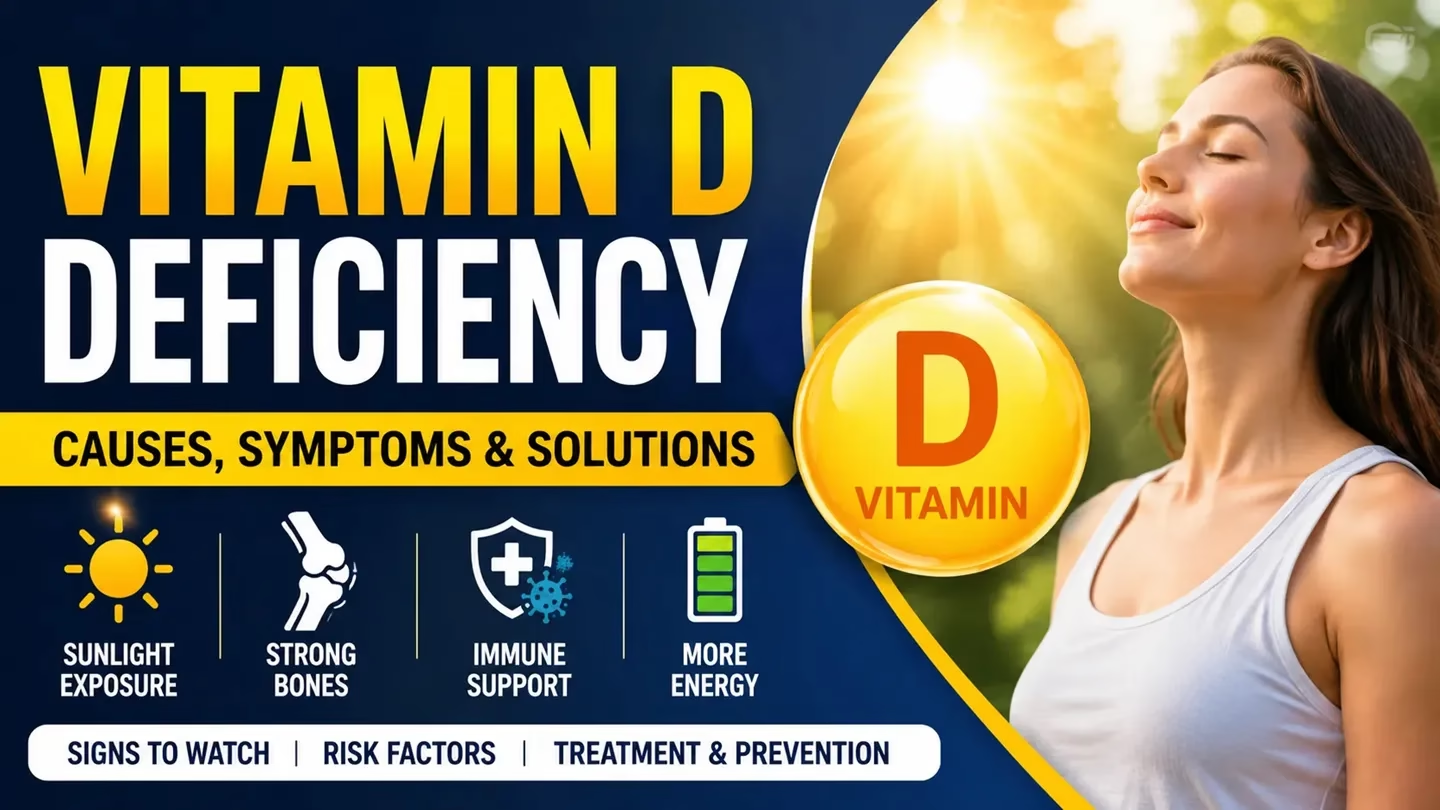
Understanding Vitamin D Deficiency
Vitamin D deficiency has become one of the most common nutritional deficiencies worldwide, affecting over one billion people. Despite its importance, many individuals remain unaware they have low vitamin D levels because symptoms often develop gradually or are mistaken for other health conditions.
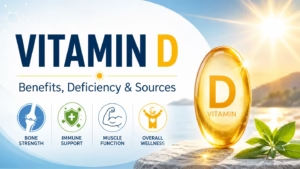
Often called the “sunshine vitamin,” vitamin D plays a vital role in maintaining strong bones, supporting the immune system, regulating muscle function, and promoting overall health. With modern indoor lifestyles, increased sunscreen use, and limited exposure to sunlight, vitamin D deficiency is becoming increasingly common in both adults and children.
This comprehensive guide explains everything you need to know about vitamin D deficiency, including its causes, symptoms, diagnosis, treatment, prevention, and the latest scientific recommendations.
What Is Vitamin D?
Vitamin D is a fat-soluble vitamin that functions like a hormone in the body. Unlike most vitamins, your body can produce vitamin D when your skin is exposed to ultraviolet B (UVB) rays from sunlight.
Vitamin D helps regulate calcium and phosphorus absorption, both of which are essential for healthy bones and teeth. It also influences hundreds of genes involved in immunity, muscle strength, cell growth, and inflammation.
There are two main forms:
- Vitamin D2 (Ergocalciferol): Found in mushrooms exposed to UV light and fortified foods.
- Vitamin D3 (Cholecalciferol): Produced naturally in the skin after sunlight exposure and found in animal-based foods. Vitamin D3 is generally more effective at raising blood vitamin D levels than vitamin D2.
Why Is Vitamin D Important?
Adequate vitamin D is essential for numerous body functions, including:
- Maintaining strong bones and teeth
- Improving calcium and phosphorus absorption
- Supporting immune function
- Maintaining healthy muscles
- Reducing the risk of falls in older adults
- Supporting normal nerve function
- Helping regulate inflammation
- Supporting healthy pregnancy and fetal bone development
Research also suggests that maintaining adequate vitamin D levels may contribute to overall health, although evidence for preventing diseases such as cancer, heart disease, or depression remains mixed.
What Causes Vitamin D Deficiency?
Several factors can reduce vitamin D production or absorption.
1. Limited Sun Exposure
The most common cause is inadequate exposure to sunlight. Risk increases in people who:
- Spend most of their time indoors
- Cover most of their skin outdoors
- Live in northern or southern latitudes
- Regularly use high-SPF sunscreen
- Work night shifts
2. Low Dietary Intake
Very few foods naturally contain vitamin D. Strict vegans and people with poor diets may not consume enough vitamin D.
3. Darker Skin
Melanin reduces the skin’s ability to produce vitamin D from sunlight. Individuals with darker skin generally require longer sun exposure.
4. Aging
As we age, the skin becomes less efficient at producing vitamin D, while kidney function also declines, reducing activation of vitamin D.
5. Medical Conditions
Several medical conditions interfere with vitamin D absorption or metabolism, including:
- Celiac disease
- Crohn’s disease
- Ulcerative colitis
- Chronic liver disease
- Chronic kidney disease
- Cystic fibrosis
- Bariatric (weight-loss) surgery
6. Obesity
Vitamin D becomes stored in body fat, reducing the amount available in the bloodstream.
7. Certain Medications
Some medications can lower vitamin D levels, including:
- Long-term corticosteroids
- Certain anti-seizure medications
- Rifampicin
- Orlistat
- Cholestyramine
Symptoms of Vitamin D Deficiency
Many people have no symptoms, especially in the early stages.
When symptoms occur, they may include:
- Persistent fatigue
- Muscle weakness
- Bone pain
- Lower back pain
- Joint aches
- Frequent infections
- Slow wound healing
- Hair loss (in some individuals)
- Low mood or depression
- Difficulty climbing stairs
- Muscle cramps
Symptoms in Children
Children with severe vitamin D deficiency may develop:
- Delayed growth
- Delayed walking
- Bowed legs
- Bone deformities
- Delayed tooth eruption
- Rickets
Who Is Most at Risk?
People at higher risk include:
- Adults over 65 years
- Infants who are exclusively breastfed without supplementation
- Pregnant and breastfeeding women
- Individuals with darker skin
- People who rarely go outdoors
- Individuals with obesity
- Patients with kidney or liver disease
- People with gastrointestinal disorders affecting nutrient absorption
Health Complications of Vitamin D Deficiency
If left untreated, vitamin D deficiency can lead to serious health problems.
Bone Disorders
- Osteomalacia (soft bones in adults)
- Osteoporosis
- Increased fracture risk
- Chronic bone pain
Rickets
Children with severe deficiency may develop rickets, resulting in bone deformities and impaired growth.
Muscle Problems
Low vitamin D contributes to:
- Muscle weakness
- Falls in older adults
- Reduced physical performance
Immune Dysfunction
Vitamin D supports normal immune function. Deficiency has been associated with an increased risk of respiratory infections, although supplementation is not recommended solely for infection prevention unless deficiency is present.
How Is Vitamin D Deficiency Diagnosed?
The best test is a blood test measuring:
25-hydroxyvitamin D (25(OH)D)
General interpretation (may vary slightly by laboratory):
- Deficient: Less than 20 ng/mL (50 nmol/L)
- Insufficient: 20–29 ng/mL (50–74 nmol/L)
- Sufficient: 30–50 ng/mL (75–125 nmol/L)
- Potentially excessive: Above 100 ng/mL (250 nmol/L)
Your doctor may also evaluate:
- Calcium
- Phosphate
- Parathyroid hormone (PTH)
- Alkaline phosphatase
- Kidney function
Best Food Sources of Vitamin D
Although sunlight is the primary source, certain foods help maintain healthy levels.
Excellent dietary sources include:
- Salmon
- Sardines
- Mackerel
- Tuna
- Cod liver oil
- Egg yolks
- Beef liver
- Fortified milk
- Fortified yogurt
- Fortified breakfast cereals
- Fortified plant-based milk
- UV-exposed mushrooms
How Much Vitamin D Do You Need?
Recommended daily intake varies by age.
| Age Group | Recommended Daily Intake |
|---|---|
| Infants (0–12 months) | 400 IU (10 mcg) |
| Children (1–18 years) | 600 IU (15 mcg) |
| Adults (19–70 years) | 600 IU (15 mcg) |
| Adults over 70 years | 800 IU (20 mcg) |
| Pregnant/Breastfeeding | 600 IU (15 mcg) |
Some people with deficiency require much higher doses temporarily under medical supervision.
Treatment of Vitamin D Deficiency
Treatment depends on the severity of deficiency.
Doctors may recommend:
- Vitamin D3 supplements
- Increased safe sun exposure
- Vitamin D-rich foods
- Treating any underlying medical condition affecting absorption
Severe deficiency often requires higher prescription doses followed by a maintenance dose.
Do not self-prescribe very high doses, as excessive vitamin D can cause toxicity.
Can You Take Too Much Vitamin D?
Yes.
Vitamin D toxicity is rare but usually results from excessive supplementation rather than sunlight.
Symptoms include:
- Nausea
- Vomiting
- Constipation
- Excessive thirst
- Frequent urination
- Confusion
- Kidney stones
- High blood calcium levels
Always follow your healthcare provider’s recommendations.
Tips to Prevent Vitamin D Deficiency
You can reduce your risk by:
- Spending short periods outdoors in sunlight while avoiding sunburn
- Eating vitamin D-rich foods regularly
- Choosing fortified dairy or plant-based products
- Maintaining a healthy body weight
- Taking supplements if recommended by your healthcare provider
- Getting tested if you belong to a high-risk group
Frequently Asked Questions (FAQs)
Can vitamin D deficiency cause tiredness?
Yes. Fatigue and low energy are common symptoms and often improve after correcting the deficiency.
Does vitamin D improve immunity?
Vitamin D supports normal immune function. People who are deficient may benefit from correcting their deficiency, but supplements should not be viewed as a cure for infections.
Is sunlight enough?
For many people it can be, but factors such as season, latitude, skin color, clothing, air pollution, age, and sunscreen use can significantly reduce vitamin D production.
Which is better: Vitamin D2 or D3?
Vitamin D3 generally raises and maintains blood vitamin D levels more effectively than vitamin D2.
Key Takeaways
Vitamin D deficiency is common but highly treatable. Maintaining healthy vitamin D levels supports strong bones, healthy muscles, and normal immune function. A combination of safe sun exposure, a balanced diet, and supplements when medically indicated can help prevent deficiency and reduce the risk of long-term complications.
If you experience persistent fatigue, bone pain, muscle weakness, or belong to a high-risk group, speak with your healthcare provider about testing your vitamin D level. Early diagnosis and treatment can significantly improve long-term health outcomes.
ABOUT THE AUTHOR
Dr. Nora West is a highly skilled MBBS doctor with a special interest in women’s health and patient education. She is dedicated to providing compassionate care and believes in building strong doctor–patient relationships based on trust and understanding. Dr. Nora focuses on empowering her patients with the knowledge they need to make informed decisions about their health. She is particularly passionate about preventive medicine, nutrition, and lifestyle interventions that can significantly improve quality of life. Known for her warmth and professionalism, Dr. Nora combines evidence-based medicine with a personalized approach, ensuring every patient feels supported on their journey to better health.
- Dr. Nora West
- Dr. Nora West

- Dr. Nora West
- Dr. Nora West