
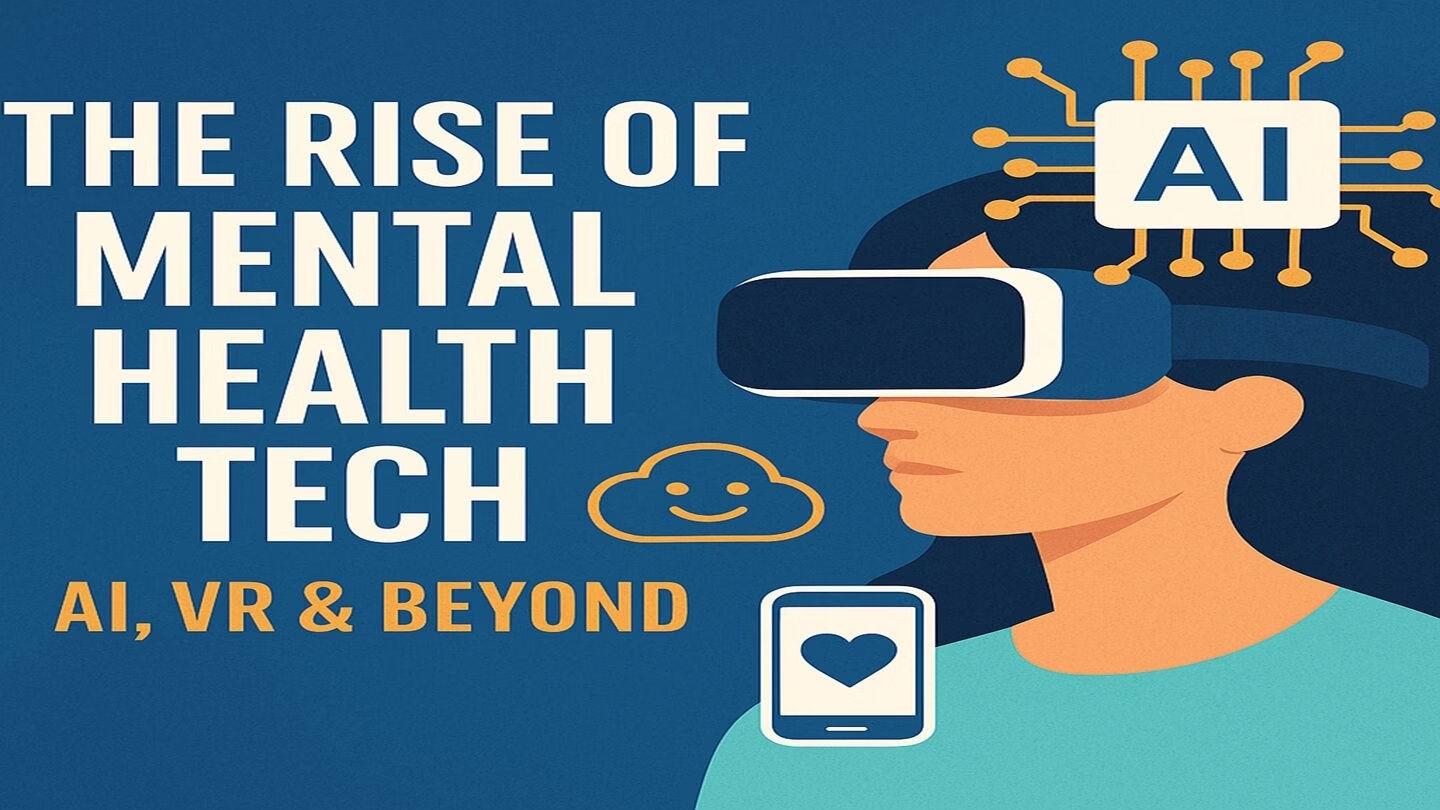
Mental health care is changing fast. What used to mean a clinic visit and a paper worksheet now includes AI chatbots in your pocket, virtual-reality headsets for exposure therapy, and data-driven tools that learn your patterns to nudge healthier habits. Done right, this wave of “mental health tech” can expand access, personalize support, and complement clinicians—not replace them. Here’s a grounded look at what’s here, what works, and how to use it safely.
Why tech—and why now?
Three forces collided: a global mental-health demand spike, a shortage of clinicians, and near-universal smartphones. That’s opened the door for software that delivers cognitive behavioral therapy (CBT) skills, mood tracking, breathing exercises, peer support, and even regulated digital therapeutics. Global health bodies now frame digital health as a strategic pillar—pushing standards for interoperability, evidence, and equitable access—so these tools can scale responsibly, not just quickly. World Health Organization+1
AI chatbots: support in your pocket 🤖
AI-guided programs are designed to teach coping skills, reflect your thoughts back in CBT-style conversations, and encourage daily micro-actions. What the evidence says:
- Short-term symptom relief: Randomized studies report that some chatbots (e.g., Woebot) can reduce anxiety and depressive symptoms over a few weeks compared with self-help materials, especially in young adults. These gains are modest but meaningful for low-intensity support. PubMed+1
- Not a replacement for clinicians: Journalists and researchers caution that many apps lack rigorous, independent trials; they can miss crises; and they shouldn’t be used for severe conditions or emergencies without human oversight. Expect continued calls for stronger regulation and clear guardrails. AP News+1
- Emerging regulation: Some AI tools are moving toward medical-device pathways (e.g., Wysa’s FDA Breakthrough Device designation), signaling a shift from “wellness app” to clinically supervised digital care.
How to use them well: Treat AI companions as practice partners for skills—journaling, reframing thoughts, planning exposure steps—not as diagnosticians. Pair them with clinician guidance when symptoms are moderate to severe, and set up a clear crisis plan (local helplines, trusted contacts).
Virtual Reality therapy: stepping into feared situations 🥽
VR exposure therapy lets you face triggers—public speaking, flying, heights, trauma-linked cues—in a controlled, graded environment. Clinicians can pause, rewind, or intensify scenarios while you practice breathing and cognitive skills in the moment.
- Growing evidence for PTSD & anxiety: Trials and reviews show VR exposure can reduce PTSD and anxiety symptoms, often on par with traditional exposure therapy, with improving feasibility in frontline groups. PMC+1
- FDA-authorized digital therapeutic (pain): In 2021, the FDA authorized a prescription VR program (EaseVRx, now RelieVRx) for chronic low back pain, a milestone for immersive, at-home behavioral therapy delivered as a regulated medical device. It uses CBT-based modules to reduce pain interference. JAMA Network+1
What this means for mental health: Although pain isn’t a psychiatric diagnosis, the authorization shows a regulatory path for immersive behavioral therapeutics. As PTSD and anxiety VR platforms mature and publish higher-quality trials, expect more targeted, reimbursable programs. ScienceDirect+1
Beyond AI & VR: the broader digital toolkit 📱⌚
- CBT & mindfulness apps: Self-guided CBT apps can improve anxiety symptoms in some users; the key is engaging design, reminders, and brief daily practice. Look for programs grounded in manualized therapies, ideally with published trials. JAMA Network
- Wearables & biofeedback: Smartwatches track sleep, heart rate variability, and activity, giving behavioral “mirrors” that help you spot stress patterns. Paired with breath training or guided imagery, biofeedback can reinforce regulation skills between sessions.
- Digital phenotyping & just-in-time nudges: With consent, phones infer context (e.g., inactivity, late-night scrolling) to offer the right tip at the right time—“walk 5 minutes,” “set wind-down mode,” “message a friend.” This is promising, but it demands strict privacy protections and transparent algorithms. PMC
- Peer communities & moderated groups: Structured, moderated spaces can reduce isolation and normalize help-seeking—especially when paired with evidence-based curricula and clinician oversight.
Benefits you can feel
- Access and convenience: Immediate, stigma-reduced entry points—especially for rural users, students, shift workers, or caregivers with limited time.
- Personalization: Adaptive exercises, mood-linked content, and progress dashboards that show change over time.
- Skill repetition: Short, frequent practice sessions fit modern life better than once-weekly homework.
- Data-informed care: When shared securely, app data can help your clinician tailor treatment and spot early relapse signs.
What to watch out for (and how to stay safe) ⚠️
- Evidence quality varies: Many apps are not clinically validated; some have small or company-funded studies. Favor tools with peer-reviewed, independent research or a regulated status. PMC
- Privacy & data sharing: Some mental health apps have faced scrutiny for sharing sensitive data with third parties, emphasizing the need for transparent policies, minimal data collection, and strong security. Check the privacy policy before you sign up. The Guardian
- Scope limits: Apps can support self-management but are not emergency services. If you’re in crisis or at risk of harm, use local emergency numbers or dedicated crisis lines immediately.
- Equity & inclusion: Tech can widen gaps if it assumes constant connectivity, high literacy, or one cultural lens. Look for inclusive content (language options, culturally adapted examples, accessibility features).
A practical way to build your digital toolkit
Step 1: Clarify your goal. Is it stress reduction, social anxiety practice, trauma processing (with a clinician), or sleep? Specific goals guide the tech.
Step 2: Choose one tool per need.
- Coping skills & journaling: An AI-guided CBT companion with reminders and crisis resources.
- Exposure practice: If working with a therapist, ask about VR exposure options or home-practice modules aligned to your hierarchy.
- Sleep & stress regulation: A breathing/biofeedback app paired with your wearable’s sleep dashboard.
- Community & accountability: A moderated peer group or program with weekly challenges.
Step 3: Vet for safety & quality.
- Evidence page or published trials? (Search the brand + “study,” “randomized,” or check PubMed.) PubMed
- Clear privacy policy, data minimization, and opt-outs?
- Crisis plan built-in (hotlines, escalation to humans)?
- Clinician involvement or pathway for referral when symptoms escalate?
Step 4: Make it behaviorally sticky.
- Set 10-minute daily blocks for skills practice.
- Use prompts: home-screen widgets, calendar nudges, bedtime wind-down.
- Track one metric that matters (panic frequency, hours slept, worry minutes) and review weekly.
- Share trends with your clinician to adjust care.
Where this is heading
Expect hybrid care to become the norm: periodic clinician sessions + structured app modules + between-session VR or wearable-guided practice. Regulators will continue to differentiate wellness apps from digital therapeutics—software that treats a specific condition with clinical evidence and quality oversight. Health systems will demand interoperability, so your progress data can flow securely into electronic records—with your consent—to reduce repetition and improve outcomes. World Health Organization
At the same time, the field is maturing: researchers are calling for co-designed tools, independent trials, and transparent, explainable AI—so people can understand how suggestions are made and clinicians can trust the outputs. That’s how we’ll move from shiny gadgets to reliable care companions. PMC+1
Bottom line
Mental health tech isn’t a magic wand, but it is a powerful amplifier. AI companions can coach daily skills. VR can transform exposure practice. Wearables can make stress patterns visible—and changeable. Start small, choose tools with evidence and privacy you trust, and integrate them with professional care when needed. The future isn’t AI instead of humans; it’s AI and immersive tools with humans—delivering more timely, personalized, and compassionate care.
If you’re in immediate danger or considering self-harm, contact your local emergency number right now.
ABOUT THE AUTHOR
Dr. Alex Sam is a passionate healthcare professional with an MBBS and MRCGP degree and a strong commitment to modern medicine. Known for his empathetic approach, he emphasizes listening to his patients and understanding their unique health concerns before offering treatment. His areas of focus include family medicine and general health management, where he strives to provide holistic care that improves both physical and mental well-being. Dr. Alex is also a strong advocate for preventive screenings and early detection of diseases, ensuring his patients maintain healthier lives. With a calm demeanor and deep medical insight, he has earned the trust of both his patients and peers in the medical community.
- Dr. Alex Sam

- Dr. Alex Sam
- Dr. Alex Sam
- Dr. Alex Sam










Add comment