
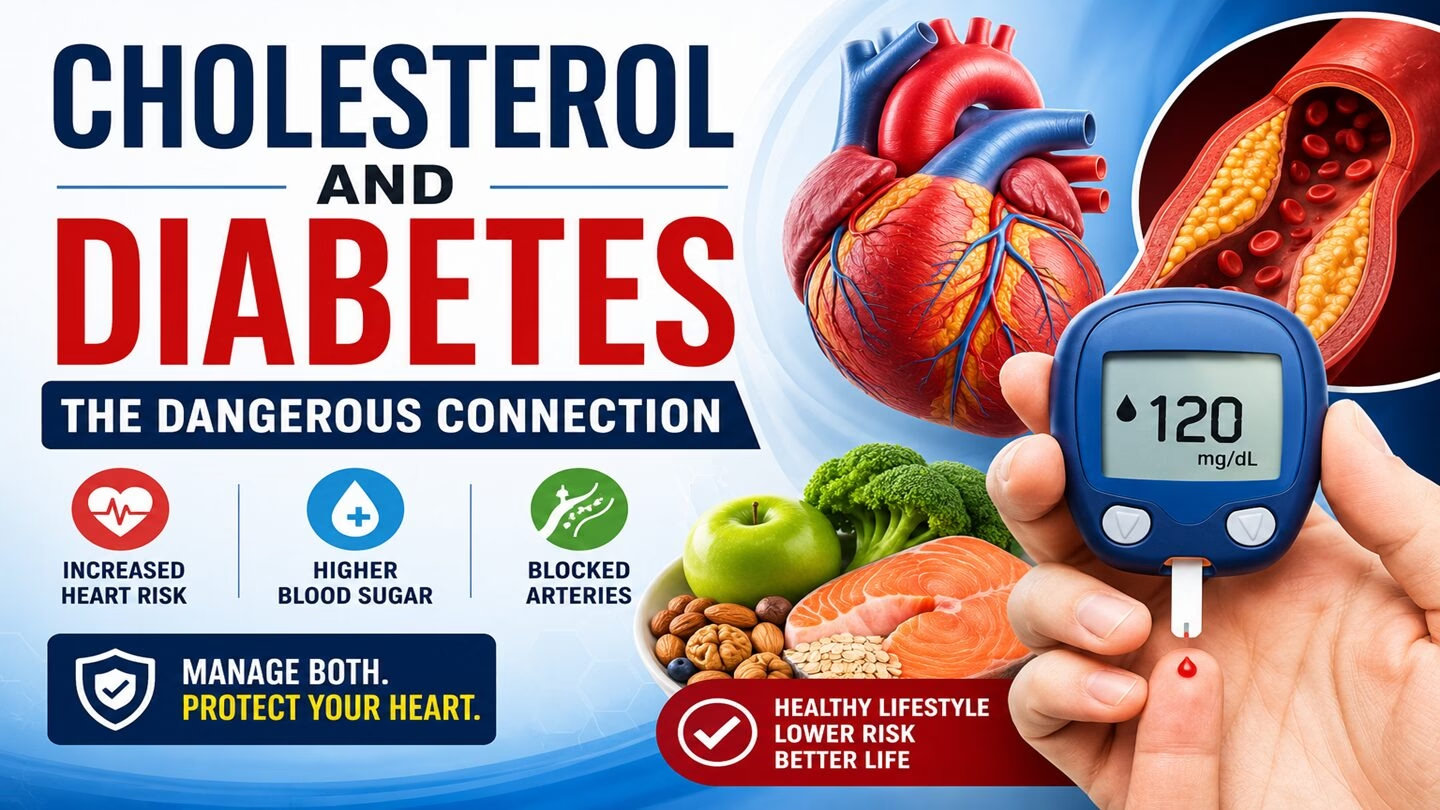
Diabetes and high cholesterol are among the leading causes of heart disease worldwide. While each condition can damage your health independently, having both diabetes and high cholesterol significantly increases the risk of heart attack, stroke, kidney disease, and other serious complications.
Many people with diabetes don’t realize they also have unhealthy cholesterol levels because high cholesterol usually has no symptoms. Over time, elevated blood sugar damages blood vessels while excess cholesterol builds plaque inside arteries. Together, these conditions accelerate cardiovascular disease much faster than either condition alone.
The good news is that with early diagnosis, healthy lifestyle changes, and appropriate medications, both diabetes and cholesterol can be effectively managed.
In this comprehensive guide, you’ll learn how diabetes affects cholesterol, why this combination is dangerous, symptoms to watch for, recommended cholesterol targets, treatment options, and prevention strategies.
What Is Cholesterol?
Cholesterol is a waxy, fat-like substance that circulates in your bloodstream and is found in every cell of your body. Although cholesterol often gets a bad reputation, your body actually needs it to:
- Produce hormones
- Build healthy cells
- Make vitamin D
- Produce bile acids for digestion
The liver naturally produces most of the cholesterol your body needs, while the rest comes from foods, particularly animal products.
Types of Cholesterol
LDL (Low-Density Lipoprotein) – “Bad Cholesterol”
LDL carries cholesterol from the liver to body tissues. Excess LDL can stick to artery walls, forming plaques that narrow blood vessels (atherosclerosis).
High LDL increases the risk of:
- Heart attack
- Stroke
- Peripheral artery disease
HDL (High-Density Lipoprotein) – “Good Cholesterol”
HDL helps remove excess cholesterol from the bloodstream and transports it back to the liver for disposal.
Higher HDL levels generally reduce cardiovascular risk.
Triglycerides
Triglycerides are another type of blood fat. High triglycerides frequently occur alongside diabetes and further increase the risk of cardiovascular disease and pancreatitis.
What Is Diabetes?
Diabetes mellitus is a chronic metabolic disorder in which blood glucose remains elevated because the body cannot produce enough insulin or cannot use insulin effectively.
Type 1 Diabetes
- Autoimmune disease
- Little or no insulin production
- Requires lifelong insulin therapy
Type 2 Diabetes
- Most common form
- Usually caused by insulin resistance
- Strongly associated with obesity, inactivity, and genetics
Prediabetes
Blood sugar levels are higher than normal but not yet in the diabetes range. Without lifestyle changes, many people with prediabetes develop Type 2 diabetes within a few years.
The Relationship Between Cholesterol and Diabetes
People with diabetes often develop an abnormal cholesterol pattern known as diabetic dyslipidemia.
This typically includes:
- High LDL cholesterol (especially small, dense LDL particles)
- Low HDL cholesterol
- High triglycerides
This combination dramatically accelerates plaque buildup inside arteries.
Why Does Diabetes Increase Cholesterol Problems?
Several biological mechanisms explain this connection.
1. Insulin Resistance
Insulin resistance affects how the liver processes fats.
As insulin becomes less effective:
- LDL production increases
- Triglycerides rise
- HDL decreases
2. High Blood Sugar Damages Blood Vessels
Persistently elevated glucose injures the lining of blood vessels, making it easier for cholesterol plaques to develop.
3. Chronic Inflammation
Diabetes causes ongoing low-grade inflammation that promotes plaque formation and instability, increasing heart attack risk.
4. Obesity and Metabolic Syndrome
Many people with Type 2 diabetes also have:
- Abdominal obesity
- High blood pressure
- Elevated cholesterol
- High triglycerides
Together these conditions significantly increase cardiovascular risk.
Why Is This Combination So Dangerous?
When diabetes and high cholesterol occur together, the risk of cardiovascular disease rises dramatically.
Potential complications include:
Coronary Artery Disease
Blocked arteries supplying the heart can cause:
- Chest pain (angina)
- Heart attack
- Heart failure
Stroke
Plaques can block blood vessels supplying the brain, leading to ischemic stroke.
Peripheral Artery Disease (PAD)
Reduced circulation to the legs may cause:
- Leg pain while walking
- Poor wound healing
- Foot ulcers
- Increased amputation risk
Chronic Kidney Disease
Diabetes and cholesterol damage the tiny blood vessels inside the kidneys, gradually reducing kidney function.
Diabetic Retinopathy
Poor circulation damages the blood vessels of the retina, increasing the risk of vision loss.
Nerve Damage (Neuropathy)
Reduced blood flow contributes to nerve damage causing:
- Tingling
- Burning sensations
- Numbness
- Chronic pain
Symptoms of Diabetes and High Cholesterol
High cholesterol itself rarely causes symptoms.
However, diabetes and cardiovascular disease may produce:
Diabetes Symptoms
- Frequent urination
- Excessive thirst
- Increased hunger
- Fatigue
- Blurred vision
- Slow-healing wounds
- Recurrent infections
- Unexplained weight loss (more common in Type 1 diabetes)
Heart Disease Symptoms
- Chest pain
- Shortness of breath
- Palpitations
- Pain radiating to the jaw, shoulder, or arm
- Leg pain while walking
Stroke Warning Signs (FAST)
- Face drooping
- Arm weakness
- Speech difficulty
- Time to call emergency services immediately
Risk Factors
You are more likely to develop both diabetes and high cholesterol if you have:
- Obesity
- Physical inactivity
- Family history
- High blood pressure
- Smoking
- Unhealthy diet
- Older age
- Polycystic ovary syndrome (PCOS)
- Metabolic syndrome
How Doctors Diagnose Cholesterol and Diabetes
Your healthcare provider may recommend:
Blood Tests
Lipid Profile
Measures:
- Total cholesterol
- LDL cholesterol
- HDL cholesterol
- Triglycerides
Diabetes Tests
- Fasting blood glucose
- HbA1c
- Oral glucose tolerance test (when indicated)
Additional Tests
Depending on your risk:
- Kidney function tests
- Urine albumin
- Liver function tests
- Blood pressure assessment
- ECG
- Coronary calcium score or stress testing in selected patients
Recommended Cholesterol Targets for People With Diabetes
Your targets depend on your age and overall cardiovascular risk, but many adults with diabetes benefit from:
| Test | General Target* |
|---|---|
| LDL Cholesterol | Less than 70 mg/dL (or even lower for very high-risk individuals) |
| HDL Cholesterol | Above 40 mg/dL (men), above 50 mg/dL (women) |
| Triglycerides | Less than 150 mg/dL |
| Total Cholesterol | Less than 200 mg/dL |
*Your healthcare provider may recommend different goals based on your medical history and current guidelines.
Treatment: Managing Diabetes and High Cholesterol Together
Successful treatment requires addressing both conditions simultaneously.
1. Eat a Heart-Healthy Diet
Focus on:
- Vegetables
- Fruits (in appropriate portions)
- Whole grains
- Beans and legumes
- Fish rich in omega-3 fatty acids
- Skinless poultry
- Nuts
- Olive oil
- High-fiber foods
Limit:
- Sugary drinks
- Processed foods
- Refined carbohydrates
- Fried foods
- Trans fats
- Excess saturated fat
- Processed meats
The Mediterranean and DASH eating patterns have strong evidence for improving cardiometabolic health.
2. Exercise Regularly
Aim for:
- At least 150 minutes of moderate-intensity aerobic activity per week, plus
- Muscle-strengthening exercises at least twice weekly, and
- Reduce prolonged sitting by moving regularly throughout the day.
Regular exercise improves:
- Blood sugar
- Cholesterol
- Blood pressure
- Weight
- Insulin sensitivity
3. Achieve a Healthy Weight
Losing 5–10% of body weight can significantly improve:
- Blood glucose
- LDL cholesterol
- Triglycerides
- Blood pressure
4. Stop Smoking
Smoking dramatically increases:
- Heart attacks
- Stroke
- Peripheral artery disease
- Diabetic complications
Quitting provides benefits almost immediately.
5. Limit Alcohol
Excess alcohol may:
- Raise triglycerides
- Increase blood sugar variability
- Contribute to weight gain
If you drink, do so only in moderation and discuss safe limits with your healthcare provider.
Medications
Lifestyle changes remain essential, but many people also require medication.
Cholesterol-Lowering Medications
Your healthcare provider may prescribe:
- Statins (first-line therapy for most adults with diabetes)
- Ezetimibe
- PCSK9 inhibitors for selected high-risk patients
- Fibrates in certain cases of very high triglycerides
- Prescription omega-3 fatty acid products for specific patients
Diabetes Medications
Depending on your needs:
- Metformin
- GLP-1 receptor agonists
- SGLT2 inhibitors
- DPP-4 inhibitors
- Sulfonylureas
- Insulin
Some newer diabetes medications also provide significant cardiovascular and kidney protection in appropriate patients.
Never stop or change medications without consulting your healthcare provider.
Regular Monitoring
Routine follow-up helps detect problems early.
Your healthcare provider may monitor:
- HbA1c
- Lipid profile
- Blood pressure
- Kidney function
- Eye health
- Foot examinations
- Weight and waist circumference
Can High Cholesterol Be Prevented in Diabetes?
Yes. Many cases can be prevented or delayed through healthy lifestyle habits.
Prevention Tips
- Eat a balanced, high-fiber diet
- Stay physically active
- Maintain a healthy body weight
- Avoid smoking and tobacco products
- Get adequate sleep
- Manage stress effectively
- Control blood sugar consistently
- Take prescribed medications regularly
- Attend routine health screenings
Frequently Asked Questions
Can diabetes cause high cholesterol?
Yes. Type 2 diabetes often causes diabetic dyslipidemia, characterized by high triglycerides, low HDL cholesterol, and smaller, denser LDL particles that are more likely to contribute to plaque formation.
Should everyone with diabetes take a statin?
Not everyone, but many adults with diabetes are candidates for statin therapy because diabetes substantially increases cardiovascular risk. The decision depends on factors such as age, LDL cholesterol levels, and existing cardiovascular disease.
Which foods lower cholesterol naturally?
Foods that may help improve cholesterol include:
- Oats
- Barley
- Beans
- Lentils
- Apples
- Citrus fruits
- Nuts
- Seeds
- Fatty fish
- Olive oil
- Avocados
Can lowering cholesterol improve diabetes?
Lowering cholesterol does not cure diabetes, but it significantly reduces the risk of heart attack, stroke, and other diabetes-related cardiovascular complications.
Key Takeaways
Diabetes and high cholesterol often occur together because insulin resistance disrupts normal fat metabolism. This combination substantially increases the risk of heart disease, stroke, kidney disease, and other complications. Fortunately, maintaining healthy blood sugar and cholesterol levels through a nutritious diet, regular exercise, weight management, smoking cessation, routine monitoring, and appropriate medications can dramatically reduce long-term health risks.
If you have diabetes, don’t wait for symptoms of high cholesterol. Regular screening and early treatment are among the most effective ways to protect your heart and improve your long-term health.
Medical Disclaimer: This article is for educational purposes only and should not replace professional medical advice, diagnosis, or treatment. Consult your healthcare provider for personalized recommendations.
ABOUT THE AUTHOR
Dr. Abid Akram is a dedicated medical practitioner known for his patient-centered approach and strong clinical expertise. With an MBBS degree and years of hands-on experience, he has developed a keen interest in preventive healthcare and internal medicine. Dr. Abid firmly believes that health is not just about treating illness but about empowering individuals to make lifestyle choices that prevent disease and promote long-term well-being. His approachable personality and ability to explain complex medical concepts in simple terms make him a trusted doctor among his patients. Outside of his clinical practice, Dr. Abid contributes to community health awareness programs, aiming to bridge the gap between medical knowledge and everyday life.
- Dr. Abid Akram

- Dr. Abid Akram

- Dr. Abid Akram

- Dr. Abid Akram











Add comment