
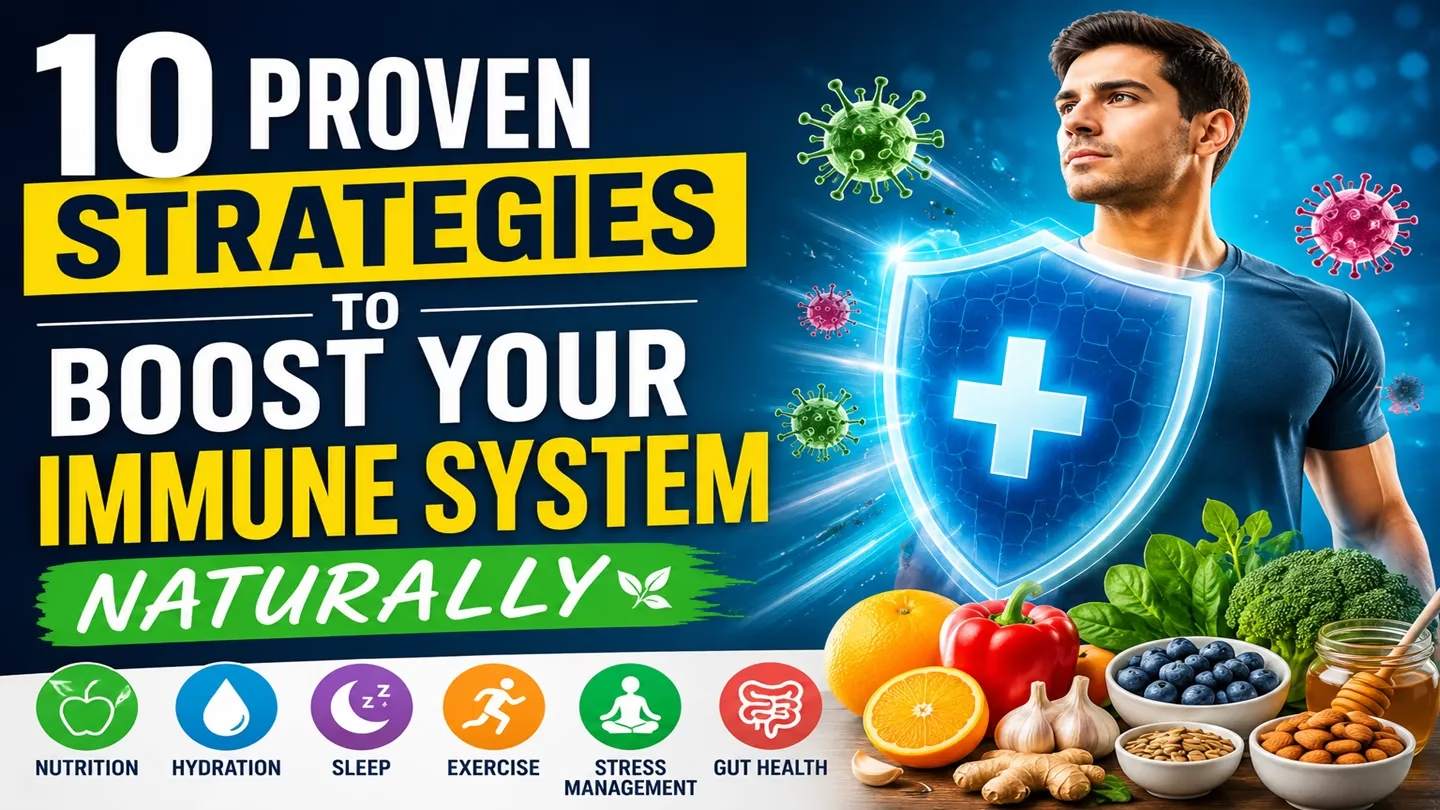
Your immune system is your body’s natural defense against bacteria, viruses, fungi, and other harmful organisms. While no food, supplement, or lifestyle habit can completely prevent illness, maintaining a healthy immune system can reduce your risk of infections and help your body recover more efficiently.
If you’re wondering how to boost your immune system naturally, the answer lies in consistent healthy habits rather than quick fixes. Scientific research shows that nutrition, sleep, exercise, stress management, and gut health all play major roles in supporting immune function.
In this guide, we’ll explore 10 evidence-based ways to strengthen your immune system naturally.
What Is the Immune System?
The immune system is a complex network of organs, tissues, white blood cells, antibodies, and proteins that work together to identify and eliminate harmful pathogens.
Its major components include:
- White blood cells
- Bone marrow
- Lymph nodes
- Spleen
- Thymus
- Skin and mucous membranes
- Gut-associated lymphoid tissue (GALT)
A healthy immune system recognizes harmful invaders while avoiding damage to healthy cells.
1. Eat a Nutrient-Dense, Balanced Diet
One of the best ways to boost your immune system naturally is by eating a variety of nutrient-rich foods every day.
Nutrients essential for immune health include:
Vitamin C
Supports white blood cell function and acts as a powerful antioxidant.
Best sources:
- Oranges
- Kiwi
- Strawberries
- Bell peppers
- Broccoli
- Guava
Vitamin D
Helps regulate immune responses. Low vitamin D levels have been linked to an increased risk of respiratory infections.
Food sources:
- Fatty fish
- Egg yolks
- Fortified milk
- Fortified cereals
Sunlight exposure also helps your body produce vitamin D.
Zinc
Supports wound healing and immune cell development.
Foods rich in zinc:
- Pumpkin seeds
- Chickpeas
- Beef
- Lentils
- Seafood
Vitamin A
Maintains healthy skin and mucosal barriers that protect against infections.
Vitamin E
Functions as an antioxidant that protects immune cells.
Selenium
Supports antioxidant enzymes and immune function.
Protein
Antibodies and immune cells require adequate protein for proper production.
Choose lean meats, fish, eggs, dairy, beans, tofu, and legumes.
2. Stay Properly Hydrated
Water is essential for nearly every body function, including immune health.
Proper hydration helps:
- Transport nutrients
- Remove waste products
- Support lymphatic circulation
- Maintain healthy mucous membranes
- Regulate body temperature
Most healthy adults should drink enough fluids to keep urine pale yellow, though individual needs vary depending on climate, activity level, and medical conditions.
Besides water, good options include:
- Herbal tea
- Milk
- Unsweetened coconut water
- Water-rich fruits and vegetables
3. Get 7–9 Hours of Quality Sleep
Sleep is one of the most overlooked immune system boosters.
During sleep, the body:
- Produces protective cytokines
- Repairs damaged tissues
- Forms immune memory
- Regulates inflammation
Research consistently shows that people who don’t get enough sleep are more likely to develop viral infections.
Tips for better sleep
- Maintain a regular bedtime.
- Keep your bedroom cool and dark.
- Avoid screens before bed.
- Limit caffeine in the evening.
- Exercise regularly.
4. Exercise Regularly—but Don’t Overtrain
Moderate physical activity improves immune surveillance by increasing circulation of immune cells.
Aim for:
- 150 minutes of moderate exercise each week
Examples include:
- Brisk walking
- Cycling
- Swimming
- Jogging
- Dancing
- Yoga
Very intense training without adequate recovery may temporarily weaken immune defenses, especially in endurance athletes.
5. Manage Chronic Stress
Long-term stress increases cortisol levels, which can interfere with normal immune function.
Healthy stress management techniques include:
- Meditation
- Prayer
- Deep breathing
- Yoga
- Walking outdoors
- Journaling
- Spending time with loved ones
- Limiting excessive news and social media exposure
Even 10–15 minutes of relaxation each day may improve overall well-being.
6. Support Your Gut Microbiome
Approximately 70% of immune cells are associated with the gut, making digestive health an important part of immunity.
A healthy gut microbiome helps:
- Regulate inflammation
- Support antibody production
- Prevent harmful bacteria from multiplying
Foods that support gut health
Probiotic foods
- Yogurt with live cultures
- Kefir
- Kimchi
- Sauerkraut
- Miso
Prebiotic foods
- Garlic
- Onion
- Bananas
- Asparagus
- Oats
- Apples
Eating plenty of fiber also supports beneficial gut bacteria.
7. Maintain a Healthy Weight
Both obesity and being underweight can negatively affect immune function.
Excess body fat contributes to chronic inflammation, while inadequate nutrition may impair immune cell production.
Maintain a healthy weight by:
- Eating balanced meals
- Exercising regularly
- Sleeping well
- Managing stress
- Avoiding crash diets
8. Limit Added Sugar and Ultra-Processed Foods
A diet high in added sugars and heavily processed foods may contribute to chronic inflammation and poor metabolic health.
Try to reduce:
- Sugary drinks
- Candy
- Cakes
- Processed snacks
- Fast food
- Refined carbohydrates
Instead, choose whole foods like:
- Fruits
- Vegetables
- Whole grains
- Nuts
- Seeds
- Healthy fats
9. Avoid Smoking and Limit Alcohol
Smoking damages the lungs and weakens immune defenses.
Excessive alcohol consumption may:
- Reduce white blood cell activity
- Increase inflammation
- Damage the gut barrier
- Increase infection risk
Quitting smoking and limiting alcohol intake are among the best lifestyle changes for improving overall health.
10. Use Supplements Only When Needed
Many people search for the best vitamins for immune system support, but supplements should not replace a healthy diet.
Some supplements may be beneficial when a deficiency exists or when recommended by a healthcare professional.
Common immune-support supplements include:
- Vitamin D
- Vitamin C
- Zinc
Current evidence does not support routine use of high-dose supplements or herbal products like echinacea for preventing illness in healthy people. More research is needed, and excessive supplementation can be harmful.
Always consult a healthcare provider before taking supplements, especially if you are pregnant, breastfeeding, have chronic medical conditions, or take prescription medications.
Additional Ways to Strengthen Your Immune System
Small daily habits also contribute to better immune health:
- Wash your hands regularly.
- Stay up to date with recommended vaccinations.
- Practice good food hygiene.
- Spend time outdoors.
- Stay physically active throughout the day.
- Treat chronic medical conditions appropriately.
- Maintain good oral hygiene.
Can You Boost Your Immune System Overnight?
No.
Despite claims made by many products, there is no instant immune system booster.
A strong immune system develops through consistent healthy habits over weeks, months, and years. Focus on nutrition, sleep, exercise, stress management, and preventive healthcare rather than relying on miracle supplements.
When Should You See a Doctor?
Consult a healthcare professional if you experience:
- Frequent or recurrent infections
- Fever lasting several days
- Unexplained weight loss
- Persistent fatigue
- Slow wound healing
- Recurrent fungal infections
- Swollen lymph nodes
- Symptoms suggesting an immune deficiency
Early evaluation can help identify underlying conditions or nutritional deficiencies.
Frequently Asked Questions
What foods boost the immune system the most?
Foods rich in vitamins, minerals, antioxidants, and protein support immune health. Good choices include citrus fruits, berries, leafy greens, yogurt, fatty fish, nuts, seeds, eggs, legumes, and colorful vegetables.
Does vitamin C prevent colds?
Vitamin C does not usually prevent colds in the general population, but regular intake may slightly reduce the duration and severity of symptoms in some people.
Is vitamin D important for immunity?
Yes. Vitamin D helps regulate immune function, and deficiency has been associated with a higher risk of certain infections. People at risk of deficiency should discuss testing and supplementation with their healthcare provider.
Does exercise improve immunity?
Yes. Regular moderate exercise supports healthy immune function, while excessive training without adequate recovery may temporarily suppress immunity.
Can stress weaken the immune system?
Yes. Chronic stress may impair immune responses, making the body more vulnerable to illness over time.
Key Takeaways
A healthy immune system isn’t built by one superfood or supplement—it’s the result of consistent lifestyle choices.
To naturally strengthen your immune system:
- Eat a nutrient-rich diet.
- Stay hydrated.
- Sleep 7–9 hours each night.
- Exercise regularly.
- Manage stress effectively.
- Support gut health.
- Maintain a healthy weight.
- Limit added sugars and processed foods.
- Avoid smoking and excessive alcohol.
- Use supplements only when medically appropriate.
These evidence-based habits support overall health and help your immune system function at its best throughout the year.
Medical Disclaimer: This article is for educational purposes only and should not replace professional medical advice, diagnosis, or treatment. Always consult a qualified healthcare provider regarding concerns about your health or before starting any supplement or major lifestyle change.
ABOUT THE AUTHOR
Dr. Abid Akram is a dedicated medical practitioner known for his patient-centered approach and strong clinical expertise. With an MBBS degree and years of hands-on experience, he has developed a keen interest in preventive healthcare and internal medicine. Dr. Abid firmly believes that health is not just about treating illness but about empowering individuals to make lifestyle choices that prevent disease and promote long-term well-being. His approachable personality and ability to explain complex medical concepts in simple terms make him a trusted doctor among his patients. Outside of his clinical practice, Dr. Abid contributes to community health awareness programs, aiming to bridge the gap between medical knowledge and everyday life.
- Dr. Abid Akram
- Dr. Abid Akram
- Dr. Abid Akram

- Dr. Abid Akram










Add comment