When Plastic Surgery Goes Wrong

When Plastic Surgery Goes WrongAs both bikini and wedding season draws close, you may be embarking on a new diet and upping your beauty regime in preparation.

But some women take things further, and choose to go under the knife to look their best. But what happens when people ignore the advice of medical professionals and things go wrong?

Read on to find out more and make sure you don’t become the next plastic surgery horror story…

Rise of plastic surgery

While once it may have been the preserve of Hollywood celebs or women in their 50s and 60s, nowadays plastic surgery has entered the mainstream. Even teenagers and women in their 20s are having work done. So who’s to blame?

The media is often named as the culprit for presenting women with airbrushed, unrealistic images, and the fashion industry plays a role too.

And what about slick marketing? Procedures have come a long way, with many doctors promising to make you look better without anyone knowing you’ve had work done or offering lunchtime fixes like fillers which suit busy working women.

But it’s the rise of social media that’s blamed for the most recent spike in plastic surgery appointments. These days every moment is captured and posted on sites like Facebook for all the world to see – and judge. The result? Women are becoming increasingly self-conscious and obsessed with their body hang-ups so every frown line is a monumental problem.

There’s nothing wrong with getting a little help from a plastic surgeon. The problem is, many women aren’t listening to medical advice, with potentially life-altering consequences.

Plastic surgery tourism

Can’t afford plastic surgery? No problem – just go abroad where it’s a fraction of the cost. But you should also know that you’ll be putting yourself at risk.

The British Association of Aesthetic Plastic Surgeons (BAAPS) has found that a quarter of their members have seen a rise in patients coming to them after suffering complications from a  surgery performed abroad.

When you decide to go under the knife, it’s so important that you fully understand the risks involved, especially with high-risk procedures like a tummy tuck. But it seems that 90 per cent of the patients who suffered complications weren’t told about what could go wrong.

Getting the right treatment and being closely monitored after your operation is just as important, and it’s an area where overseas doctors often fall short.

That’s not to say all foreign surgeons are incompetent, it’s just that they’re not regulated in the same way that surgeons here in Britain are, so it’s more of a lottery.

Plastic surgery parties

Plastic surgery parties are a worrying sign of how commonplace and trivialised surgery has become. People think that it’s just like getting your eyebrows waxed or having a lunchtime facial – but it’s not.

These parties see women getting together (often fuelled by lots of alcohol) to indulge in ‘treatments’ like botox, fillers and teeth whitening which they can sometimes perform on each other, a trend BAAPS bemoans.

Checking out your surgeon

Your surgeon should be a trained medical professional who is registered with the General Medical Council, preferably holding a specialist qualification in plastic surgery. Dermal fillers are one of the most popular treatments, but they’re often carried out by untrained beauticians, so make sure you do your research.

When you meet, ask them a few probing questions about how many times they’ve done your surgery before, how many times they’ve had to correct a procedure they’ve performed and how many patients have filed a complaint.

It’s vital that you quiz them about your surgery if they aren’t forthcoming with details. Ask how long your recovery time will be, if you’ll need any follow-up appointments, what the risks are, whether you’ll experience pain or temporary scarring and redness and also if you’re being realistic about the results you’re looking for.

Should you have surgery?

Many women find that once they’ve had one procedure, they become addicted and keep going back for more. But psychologists have warned that changing the way you look too dramatically and too quickly could be confusing and give you an identity crisis.

Some women also use plastic surgery as a crutch to cover up an underlying psychological issue, or could have a condition called body dysmorphic disorder, where what you see in the mirror doesn’t match up to reality.

If you’ve been advised against having surgery on psychological grounds, it’s best to try to address your issues before changing your body forever.

When it goes wrong

Be under no illusions – plastic surgery is a medical procedure, and there will always be a degree of risk involved.

Chemical peels can cause permanent scaring, dermal fillers in the face can move and look lumpy, wounds can get infected and  breast implants could rupture and leak toxins into the body. Sometimes, the result can even be fatal as Rheagan Hendry tragically found out when her Mum died from a botched liposuction operation.

If you’re unhappy with your results and think you were badly advised, get in touch with a medical negligence solicitor who can tell you if you’ve got a case. Don’t let bad practitioners get away with it.

Has your experience with plastic surgery been good or bad?  

About Author: Janet Brown writes on a number of topics including health related issues.

Simple Ways To Make Your Diet Heart Healthy

By Sam Foster, St. Luke’s Heart Care

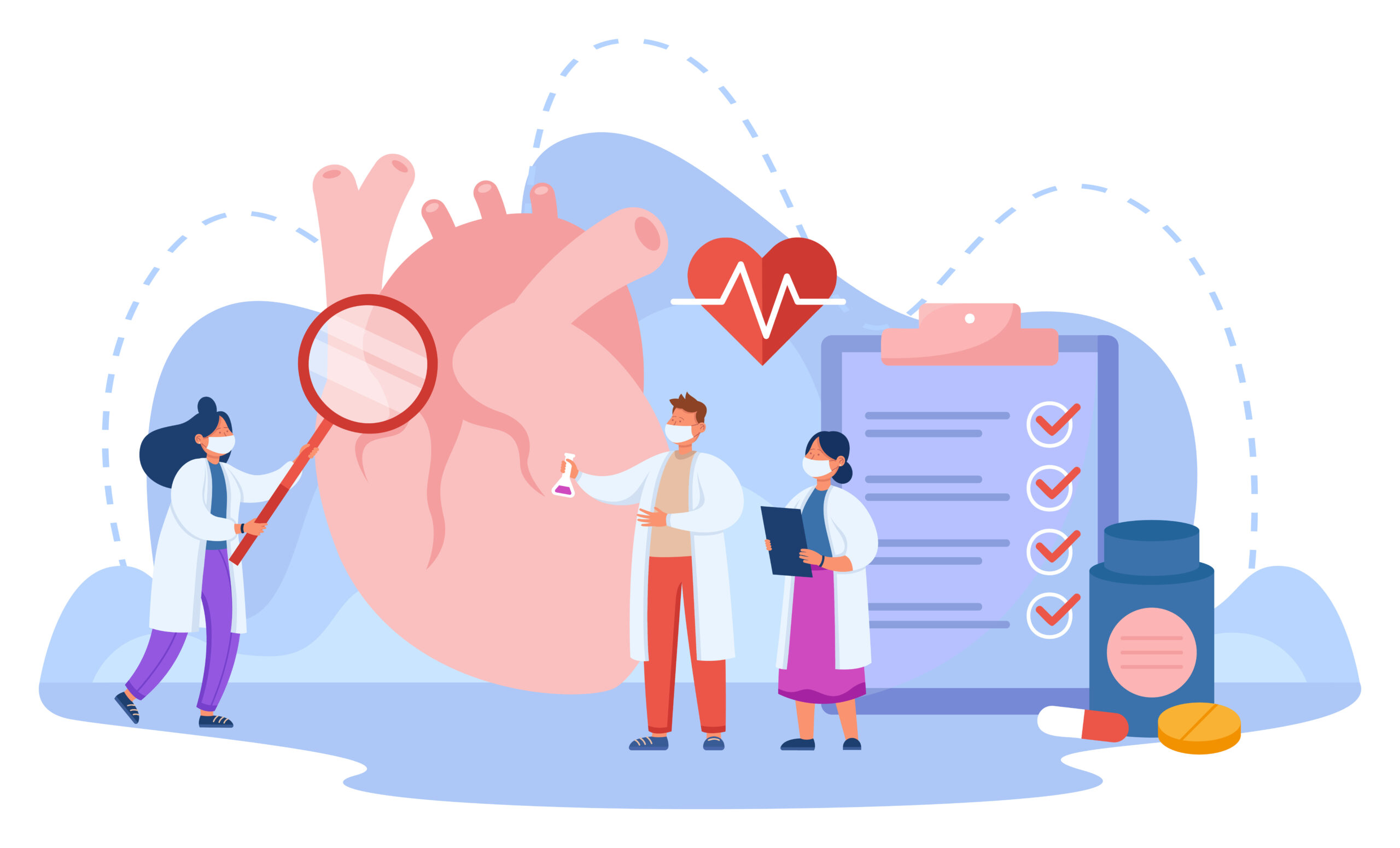
Heart disease is a killer.  Quite literally.  And vegetables have been shown to be a life-saver.

According to the Centers for Disease Control and Prevention, heart disease is the leading cause of death in both men and women. That alone ought to be good enough reason to take extra care of your heart and put up a fight against heart disease.

The best way to combat diseases of the heart is prevent them entirely. While it is important for everyone, individuals who have heart condition (or a family history of heart issues) is to learn how to eat a heart healthy, vegetable-rich diet. Incorporating a wide variety of vegetables into your diet gives you all of the good vitamins and minerals that are needed to maintain a healthy heart.

This article won’t show you every conceivable food possibility or combination. But it will give you some tips that I actually use. I grew up as a “meat and potatoes” guy who rarely ate veggies. As a result, my body was lacking the vitamins and minerals it needed to promote a healthy heart and function at the high level of activity that I wanted to.

Because I wanted to keep my active lifestyle and make sure that my heart was healthy, I became committed to eating healthier. This meant adding more vegetables and heart healthy oils into my diet.

What’s more is that I learned to enjoy it!  And I’m confident that once you get into the routine, you will too.  Here’s my personal tips:

Get on the Juice!

When I first started my quest to become healthier, I hadn’t yet acquired a taste for most vegetables, so I didn’t eat them. Instead, I juiced them. You can pick up a simple juicer for less than $100 on eBay. Here’s my standard recipe, producing about 16 oz. Juice in this order:

  • One normal-sized cucumber
  • Three leaves kale (rolled up so it juices better)
  • Three stalks celery (to flush out the kale)
  • One or two stems of broccoli (not the top part)
  • Half a Granny Smith apple (the green ones)

I juice about three times a week, either for breakfast or as a mid-day snack. I use this recipe because not only is it delicious but studies have shown that one full serving of leafy vegetables a day can decrease your risk of heart disease by over 10%. Keep in mind that juicing your veggies doesn’t provide you with the fibers in vegetables and the juice can often be high in sugar content if you use lots of fruit. For this reason, juicing shouldn’t be the only way to consume your veggies.

Simple Stir Fry, with Rice

Simple Ways To Make Your Diet Heart HealthyBecause the fibers in veggies are so important for your overall cardiovascular health, you should incorporate them into other dishes such as this simple stir fry.

Buy a rice steamer. You can get a simple one from many stores for $30 or so. Begin cooking the rice according to the directions on the packet.  If you have the option, I would choose brown rice over white rice. This is because white rice is created by removing the bran and germ portions of brown rice so you lose out on some of the nutritional benefits. Once you have the rice going, you can start chopping up some vegetables. While you can choose your own, here’s what I suggest:

  • 12 oz. Frozen bag assorted veggies
  • Broccoli (as many or few as you like)
  • Half a red onion
  • Frozen spinach (as little or as much as you want)
  • Three stalks celery
  • One green bell pepper

I usually chop up all the veggies to my liking and sauté in peanut or grapeseed oil. Don’t use olive or vegetable oil. They all have low smoke points (they begin to smoke at a lower temperature), which turns the oil bad. Season with salt and pepper. Add in the frozen veggies at a point of your choice. Put over the rice and enjoy a delicious meal.

BONUS: Add salsa during the final minutes of the cooking process for extra flavor.

Coconut Oil in Your Coffee

This option is only for the brave of heart. When you make your coffee in the morning, mix in about a teaspoon of coconut oil, and then mix in your other creamers and such. This makes your coffee a little oily, yes, but I think the benefits outweigh this inconvenience. Coconut oil – among other benefits – introduces Lauric Acid to the body, which helps fight off infections and harmful bacteria, and keeps the heart healthy and blood pressure at an appropriate level.

Various Other Tactics

These three suggestions, as I said, are not the end-all be-all to eating healthy, but I believe they’re easy enough that you can implement them now without too much inconvenience. If you’re looking for some other quick suggestions, though, consider these:

  • If you don’t care for russet and red potatoes, try sweet potatoes or yams. (While they are fairly comparable in nutritional value, sweet potatoes do come out a little bit ahead of the others because they contain almost double the amount of vitamin A, vitamin B and vitamin C.) I like to shred them and cook as hash browns. Add an egg to the side.
  • Learn to make buckwheat flower pancakes. Eat with almond butter. Put blueberries on the side.
  • Drink coconut milk instead of traditional milk.

My biggest suggestion, though, is just to find a local farmer’s market and buy some vegetables. Then use them in any of your existing dishes. Start where you’re at and grow from there.

And, above all, don’t keep your doctor out of the loop. If you’re going to make any major dietary changes, run it by him/her first. They’ll be able to call out any dangers you may not have seen, or make suggestions to add further benefit.

Sam Foster went from a “meat and potatoes” kind of guy, to a “meat, potatoes and kale” kind of guy. When he’s not blending celery juice with chia seeds he writes for St. Luke’s Hospital, in Cedar Rapids, Iowa, one of the region’s foremost authorities in the prevention of heart disease.