
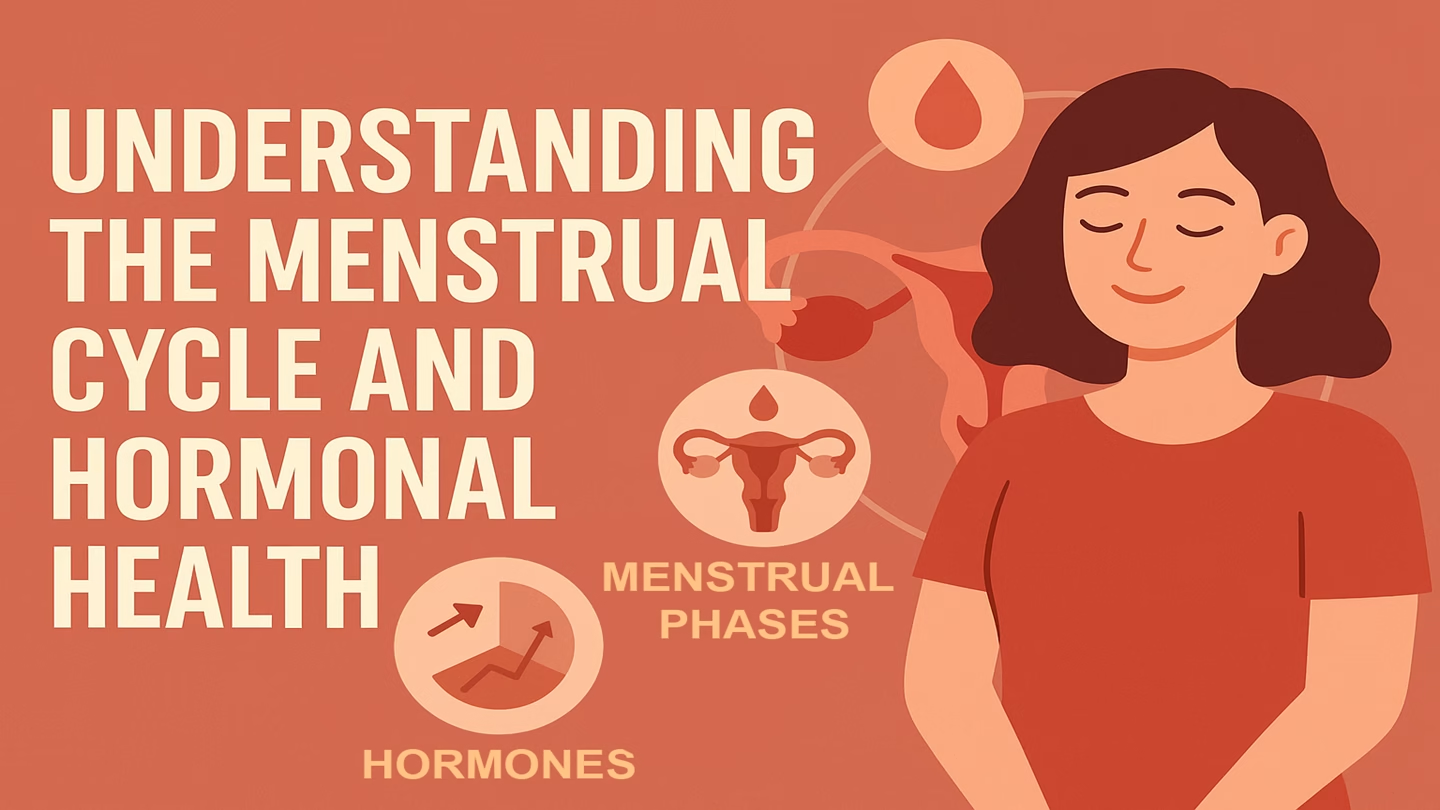
The menstrual cycle is much more than a monthly occurrence—it is a complex biological rhythm that reflects the overall health of a woman’s body. Each phase of the cycle is guided by a delicate balance of hormones that influence not only fertility but also mood, energy, metabolism, and overall well-being. Understanding the menstrual cycle and its hormonal shifts can empower women to take better control of their health.
🩸 What is the Menstrual Cycle?
The menstrual cycle is a monthly process where the body prepares for a potential pregnancy. It typically lasts 21–35 days, with an average of 28 days, and is divided into phases. Each phase is regulated by hormonal changes that affect the ovaries and the uterus.
Key hormones involved include:
- Estrogen – Promotes growth of the uterine lining and supports egg development.
- Progesterone – Stabilizes the uterine lining for pregnancy.
- Follicle-Stimulating Hormone (FSH) – Stimulates egg development in the ovaries.
- Luteinizing Hormone (LH) – Triggers ovulation (release of an egg).
🔄 The Four Phases of the Menstrual Cycle
1. Menstrual Phase (Days 1–5)
- What happens: The uterine lining (endometrium) sheds, leading to menstrual bleeding.
- Hormones: Estrogen and progesterone are at their lowest.
- How you may feel: Low energy, cramps, fatigue, and mood swings are common.
- Health tip: Focus on rest, hydration, iron-rich foods (like spinach and lentils), and gentle exercise such as yoga or walking.
2. Follicular Phase (Days 1–13)
- What happens: FSH stimulates the ovaries to develop follicles, one of which matures into an egg. The uterine lining begins to thicken.
- Hormones: Estrogen starts rising, bringing renewed energy.
- How you may feel: Improved mood, mental clarity, and stamina.
- Health tip: This is a great time for strength training, high-energy workouts, and goal-setting. Include protein and healthy fats in your diet to support egg development.
3. Ovulation Phase (Days 14–16)
- What happens: A surge of LH causes the mature egg to be released from the ovary. Fertility is at its peak.
- Hormones: Estrogen peaks, and progesterone begins to rise.
- How you may feel: Many women feel more energetic, confident, and even experience a natural increase in libido.
- Health tip: Eat zinc-rich foods (pumpkin seeds, nuts, seafood) to support reproductive health. If trying to conceive, this is the best time.
4. Luteal Phase (Days 15–28)
- What happens: After ovulation, the empty follicle turns into the corpus luteum, which produces progesterone to support a possible pregnancy. If fertilization doesn’t occur, hormone levels drop, triggering menstruation.
- Hormones: Progesterone dominates; estrogen gradually decreases.
- How you may feel: PMS symptoms such as bloating, irritability, mood swings, cravings, and breast tenderness may occur.
- Health tip: Focus on magnesium-rich foods (dark chocolate, leafy greens), complex carbs, and stress management to reduce PMS symptoms.
⚖️ Hormonal Health and Its Impact
Hormones affect much more than the menstrual cycle. Their balance is essential for:
- Emotional well-being – Estrogen influences serotonin (the “happy hormone”).
- Bone health – Estrogen helps maintain bone density.
- Heart health – Hormones impact cholesterol and blood vessel flexibility.
- Metabolism – Progesterone and estrogen fluctuations affect appetite and energy levels.
When hormones are out of balance, irregular cycles, heavy bleeding, acne, fatigue, weight changes, and fertility issues may arise.
🧠 Factors That Affect Hormonal Health
Several lifestyle and medical factors can influence hormonal balance, including:
- Stress – Increases cortisol, which can disrupt ovulation and estrogen production.
- Diet – High sugar, refined carbs, or poor nutrition can worsen PMS and cycle irregularities.
- Sleep – Inadequate rest affects melatonin and cortisol balance, disrupting cycle regularity.
- Medical conditions – PCOS, thyroid disorders, and endometriosis are common hormonal disruptors.
🌿 Tips for Supporting Hormonal and Menstrual Health
- Eat a balanced diet – Include whole grains, lean protein, healthy fats, and colorful vegetables.
- Exercise regularly – Moderate activity reduces stress and supports hormone balance.
- Manage stress – Yoga, meditation, and deep breathing lower cortisol.
- Prioritize sleep – Aim for 7–9 hours of quality rest each night.
- Track your cycle – Use apps or calendars to monitor changes and detect irregularities.
- Stay hydrated – Proper hydration reduces bloating and fatigue.
- Consult a doctor – If cycles are irregular, painful, or absent, medical evaluation is important.
✅ Key Takeaway
The menstrual cycle is a vital indicator of overall health. By understanding its phases and how hormones influence the body, women can make informed choices to improve mood, energy, fertility, and long-term well-being. Supporting hormonal balance through diet, exercise, stress management, and medical care ensures a healthier and more empowered life.
ABOUT THE AUTHOR
Dr. Nora West is a highly skilled MBBS doctor with a special interest in women’s health and patient education. She is dedicated to providing compassionate care and believes in building strong doctor–patient relationships based on trust and understanding. Dr. Nora focuses on empowering her patients with the knowledge they need to make informed decisions about their health. She is particularly passionate about preventive medicine, nutrition, and lifestyle interventions that can significantly improve quality of life. Known for her warmth and professionalism, Dr. Nora combines evidence-based medicine with a personalized approach, ensuring every patient feels supported on their journey to better health.
- Dr. Nora West

- Dr. Nora West
- Dr. Nora West
- Dr. Nora West





Add comment