

You finally get into bed after a long day. The room is quiet, you’re ready to sleep, and suddenly you become aware of your heartbeat.
Your heart seems to be pounding against your chest. Perhaps it’s beating unusually fast, fluttering, or skipping a beat. You may even wonder whether something is wrong with your heart.
A racing heart at night can be unsettling, but it doesn’t always indicate a serious medical problem.
Nighttime heart palpitations are surprisingly common. Stress, caffeine, dehydration, hormonal changes, and certain medications can all contribute. However, repeated episodes may occasionally indicate an underlying condition, including an abnormal heart rhythm.
Understanding why these sensations occur, what accompanying symptoms mean, and when to seek medical attention can help you respond appropriately.
What Are Heart Palpitations at Night?
Heart palpitations describe the sensation of becoming unusually aware of your heartbeat. You might feel your heart:
- Racing or beating faster than expected
- Pounding strongly inside your chest
- Fluttering or vibrating
- Skipping beats or adding extra beats
- Beating irregularly
These sensations may last a few seconds, several minutes, or occasionally longer.
For most adults, a normal resting heart rate is approximately 60–100 beats per minute. The heart rate usually decreases during sleep and may be lower in physically fit individuals.
A resting heart rate above 100 beats per minute is called tachycardia. However, feeling your heartbeat strongly does not necessarily mean your heart rate is abnormally fast.
Why Are Palpitations More Noticeable at Night?
During the day, conversations, movement, and other activities distract us from normal bodily sensations.
At night, these distractions disappear.
Lying quietly in bed makes even ordinary heartbeats easier to notice. Certain sleeping positions may also make the heartbeat feel more prominent.
The important distinction is whether you’re simply noticing your normal heartbeat or experiencing a genuine change in its rate or rhythm.
8 Possible Causes of a Racing Heart at Night
1. Stress, Anxiety, and Panic Attacks
Stress is one of the most common triggers of heart palpitations.
When your brain detects a threat, your body releases stress hormones, including adrenaline. These hormones increase your heart rate and prepare your body to respond.
You don’t necessarily need to feel anxious at the exact moment your heart starts racing.
An emotionally demanding day, unresolved worries, or ongoing stress can contribute to symptoms when you finally settle down.
Other symptoms may include:
- Sweating or trembling
- A feeling of nervousness
- Rapid breathing
- Chest tightness
- Difficulty falling asleep
Panic attacks can also cause sudden episodes of intense palpitations.
However, never assume that a new racing heartbeat is caused by anxiety without considering other medical explanations, particularly if it is persistent or accompanied by concerning symptoms.
2. Caffeine, Nicotine, Alcohol, and Certain Medications
Your evening habits may affect your heartbeat more than you realize.
Caffeine stimulates the nervous system. People who are sensitive to it may experience palpitations after drinking coffee, strong tea, energy drinks, or other caffeinated beverages.
Alcohol and nicotine may also trigger noticeable heartbeats or abnormal rhythms.
Certain medications can have similar effects, including:
- Some nasal decongestants
- Certain asthma inhalers
- Stimulant medications
- Some weight-loss products
- Certain thyroid medications
Not everyone responds to caffeine in the same way, and moderate consumption does not automatically cause dangerous arrhythmias.
What helps? If you notice a connection, reduce your intake of suspected triggers, especially later in the day.
Never discontinue prescribed medication without consulting your healthcare professional.
3. Dehydration and Electrolyte Imbalances
Your heart depends on adequate fluid volume and balanced electrolytes to function properly.
When you’re dehydrated, circulating blood volume may decrease. Your heart sometimes compensates by beating faster to maintain blood circulation.
Electrolytes, including potassium and magnesium, also contribute to the electrical activity that controls your heartbeat.
Significant electrolyte disturbances can trigger abnormal heart rhythms.
Dehydration is more likely after excessive sweating, inadequate fluid intake, vomiting, or diarrhea.
Clues may include thirst, dark urine, dizziness, dry mouth, and fatigue.
Drinking sufficient fluids throughout the day can help prevent dehydration-related palpitations. However, people with heart failure, kidney disease, or prescribed fluid restrictions should follow their clinician’s individual advice.
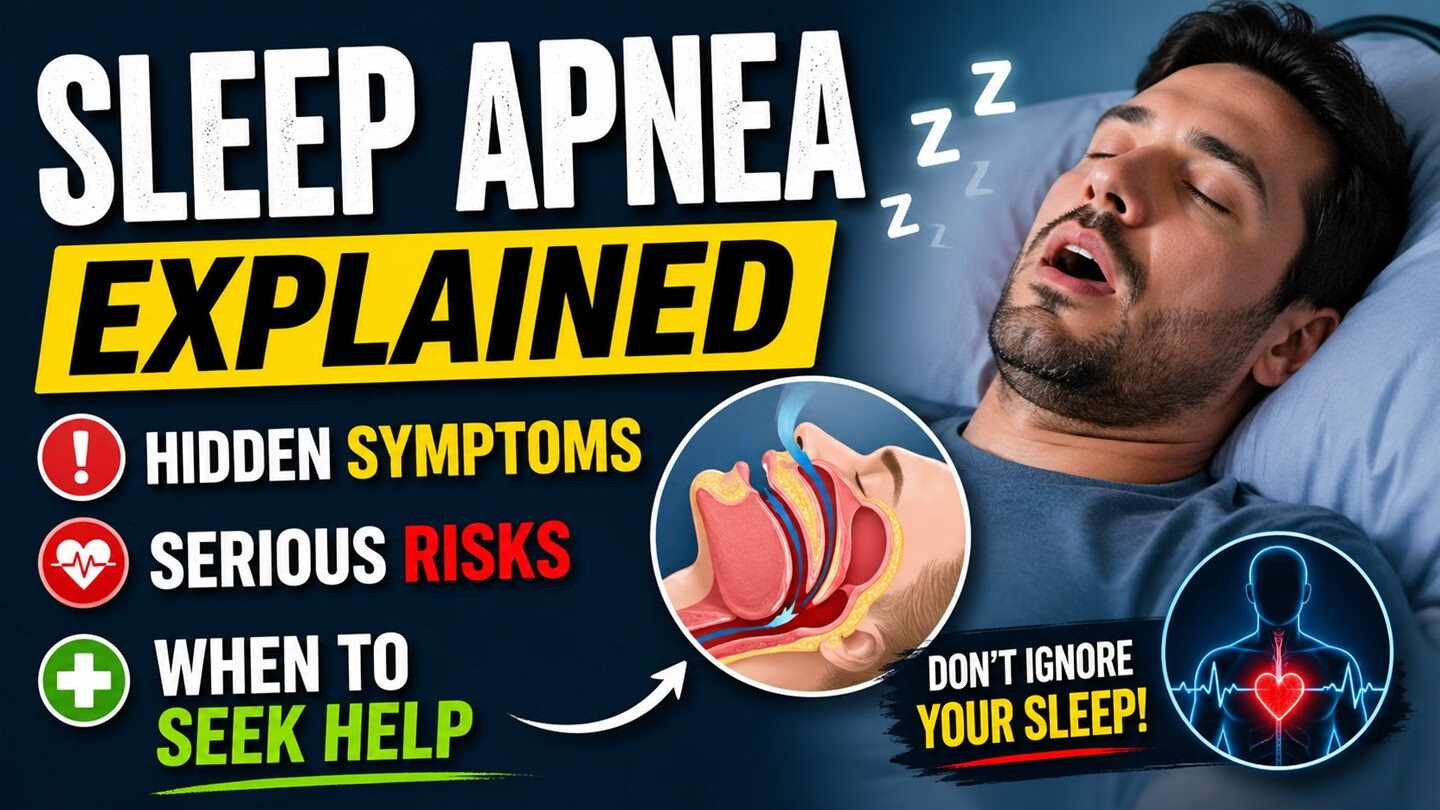
4. Sleep Apnea and Interrupted Breathing
Do you sometimes wake suddenly with a pounding heart or feel as though you’re gasping for air?
Obstructive sleep apnea may be one explanation.
This condition occurs when the upper airway repeatedly becomes blocked during sleep, temporarily disrupting normal breathing.
These episodes can lower oxygen levels and activate the body’s stress response, affecting heart rate and blood pressure.
Common clues include:
- Loud, frequent snoring
- Witnessed pauses in breathing
- Waking up choking or gasping
- Morning headaches
- Excessive daytime sleepiness
Sleep apnea is also associated with an increased risk of cardiovascular problems, including atrial fibrillation.
If these symptoms sound familiar, speak to a healthcare professional about whether a sleep study is appropriate.
5. Abnormal Heart Rhythms (Arrhythmias)
Sometimes, a racing heart reflects an actual disturbance in the heart’s electrical system.
These disturbances are called arrhythmias.
Examples include:
Premature beats (PACs or PVCs): Extra heartbeats that may feel like a skipped beat, brief pause, or sudden thump. Occasional premature beats are common and often harmless.
Supraventricular tachycardia (SVT): Episodes of unusually rapid heartbeat that may begin and end abruptly.
Atrial fibrillation (AFib): An irregular heart rhythm that can cause fluttering, racing, fatigue, or breathlessness.
AFib deserves particular attention because it can increase the risk of stroke in some patients.
Palpitations caused by arrhythmias may occur during rest or sleep, even without an obvious trigger.
Repeated episodes, particularly those with sudden onset, irregular rhythm, dizziness, or breathlessness, warrant medical evaluation.
6. Thyroid Disorders and Hormonal Changes
Hormones influence how quickly and forcefully the heart beats.
An overactive thyroid gland, known as hyperthyroidism, produces excessive thyroid hormones that can increase heart rate.
Other possible symptoms include:
- Unexplained weight loss
- Heat intolerance
- Increased sweating
- Trembling hands
- Nervousness or difficulty sleeping
Hormonal changes during menstruation, pregnancy, and perimenopause may also contribute to palpitations.
During pregnancy, normal cardiovascular changes increase the heart’s workload, making noticeable heartbeats relatively common.
Although hormonal palpitations are often benign, persistent symptoms should not automatically be attributed to hormonal fluctuations.
A blood test can help identify certain thyroid abnormalities.
7. Anemia and Low Hemoglobin
Your red blood cells carry oxygen to tissues throughout your body.
When hemoglobin levels are low, as occurs in anemia, the heart may need to work harder to deliver sufficient oxygen.
This can produce a faster or more noticeable heartbeat, including during rest.
Iron deficiency is a common cause of anemia, although other causes exist.
You may also experience:
- Persistent tiredness
- Reduced exercise tolerance
- Dizziness or lightheadedness
- Pale skin
- Shortness of breath during physical activity
People with heavy menstrual bleeding, nutritional deficiencies, or gastrointestinal blood loss may be at increased risk.
A complete blood count (CBC), sometimes accompanied by iron studies, can help determine whether anemia is contributing to symptoms.
8. Low Blood Sugar During the Night
A drop in blood glucose, known as hypoglycemia, can activate the body’s adrenaline response.
This may cause sweating, trembling, anxiety, and a racing heartbeat.
Nighttime hypoglycemia is particularly relevant to people with diabetes who use insulin or certain glucose-lowering medications.
Possible signs include:
- Waking sweaty or shaky
- Nightmares or disturbed sleep
- Sudden hunger
- Headache or tiredness on waking
- Palpitations during the night
If you have diabetes and suspect low blood sugar, check your glucose level and follow your prescribed hypoglycemia treatment plan.
Severe hypoglycemia can cause confusion, seizures, or unconsciousness and requires urgent treatment.
People without diabetes can also experience hypoglycemia, but it is less common and should not be assumed to explain unexplained palpitations.
When Should You Worry About a Racing Heart at Night?
Most isolated, brief palpitations are not dangerous.
However, the accompanying symptoms and the circumstances matter more than the sensation alone.
Emergency Warning Signs
Seek emergency medical assistance immediately if palpitations occur with:
- Chest pain, pressure, or tightness
- Severe shortness of breath
- Fainting or loss of consciousness
- Severe dizziness or feeling about to collapse
- Sudden neurological symptoms, such as facial drooping, arm weakness, or difficulty speaking
These symptoms can indicate a potentially serious cardiovascular emergency.
Do not drive yourself to the hospital if you feel faint or seriously unwell.
Even when symptoms disappear, an episode involving fainting, chest discomfort, or significant breathlessness deserves prompt medical assessment.
When to Schedule a Medical Appointment
Arrange a consultation if your palpitations:
- Keep returning or become more frequent
- Last longer than a few minutes
- Repeatedly wake you from sleep
- Occur with an unexplained, persistently elevated resting heart rate
- Develop in someone with known heart disease or a family history of significant rhythm disorders
An episode that feels harmless may still justify evaluation if it represents a new or changing pattern.
How Do Doctors Investigate Nighttime Palpitations?
Your healthcare professional will usually begin by asking about the timing, duration, frequency, triggers, medications, and associated symptoms.
They may recommend:
Electrocardiogram (ECG): Records the heart’s electrical activity and helps identify certain abnormal rhythms.
Holter monitor or event recorder: Tracks heart rhythm over a longer period to capture episodes that may not appear during a routine ECG.
Blood tests: May assess hemoglobin, electrolytes, thyroid function, or glucose levels when clinically indicated.
Echocardiogram: Uses ultrasound to examine the heart’s structure and pumping function when underlying heart disease is suspected.
Sleep study: May be recommended when symptoms suggest obstructive sleep apnea.
Not everyone needs every test. The appropriate investigation depends on your symptoms, examination, and individual risk factors.
What Should You Do If Your Heart Races at Night?
If you experience palpitations without emergency warning signs, several simple measures may help.
- Sit comfortably and breathe slowly. Relaxation may reduce symptoms associated with stress or heightened adrenaline.
- Check your pulse. Notice whether the rhythm feels regular or irregular and, if possible, record your heart rate.
- Stay adequately hydrated. Drink water if dehydration may be contributing and you have no fluid restriction.
- Review possible triggers. Consider caffeine, alcohol, nicotine, sleep deprivation, and recent medication use.
- Keep a symptom diary. Record when episodes occur, how long they last, and whether other symptoms develop.
A smartwatch may provide useful supporting information, but it cannot reliably rule out every abnormal heart rhythm.
If symptoms persist, worsen, or become recurrent, obtain medical advice rather than relying exclusively on home measures.
Frequently Asked Questions
Is It Normal for My Heart to Race When I Lie Down?
Occasional palpitations while lying down are common. You may simply become more aware of your heartbeat in a quiet environment. However, repeated or sustained rapid heartbeats require assessment.
Can Anxiety Cause Heart Palpitations During Sleep?
Yes. Stress and anxiety can produce palpitations around bedtime or during nighttime awakenings. However, waking with a racing heart does not automatically mean anxiety is responsible.
Can Sleeping Position Affect Heart Palpitations?
Some people notice their heartbeat more strongly when lying on their side, especially the left side. Position can influence how noticeable the heartbeat feels without necessarily causing a dangerous rhythm disturbance.
Can Heart Palpitations at Night Be Dangerous?
Most occasional palpitations are harmless, but some result from arrhythmias or underlying medical conditions. The presence of chest pain, fainting, significant breathlessness, or severe dizziness requires urgent attention.
Final Thoughts
Waking up with a racing heart can be frightening, especially when it happens unexpectedly.
Fortunately, many episodes are associated with manageable triggers such as stress, stimulants, dehydration, or hormonal changes.
Nevertheless, frequent nighttime palpitations should not be ignored. Conditions including arrhythmias, anemia, thyroid disorders, and sleep apnea may require specific treatment.
The key is not to panic over every noticeable heartbeat, but to recognize changes in your usual pattern and seek help when warning signs appear.
Understanding your symptoms is the first step toward protecting your heart health and sleeping with greater confidence.
Medical References
- American Heart Association — How Serious Are Heart Palpitations?
- Cleveland Clinic — Heart Palpitations at Night
- NHS — Heart Palpitations
- Mayo Clinic — Heart Palpitations: Symptoms and Causes
- National Heart, Lung, and Blood Institute — Sleep Apnea
- NIDDK — Low Blood Glucose (Hypoglycemia)
Medical Disclaimer: This article is intended for general health education and does not replace individualized medical advice, diagnosis, or treatment. Seek emergency care for symptoms suggesting a serious cardiovascular condition.
ABOUT THE AUTHOR
- Health Talks

- Health Talks

- Health Talks






Add comment