
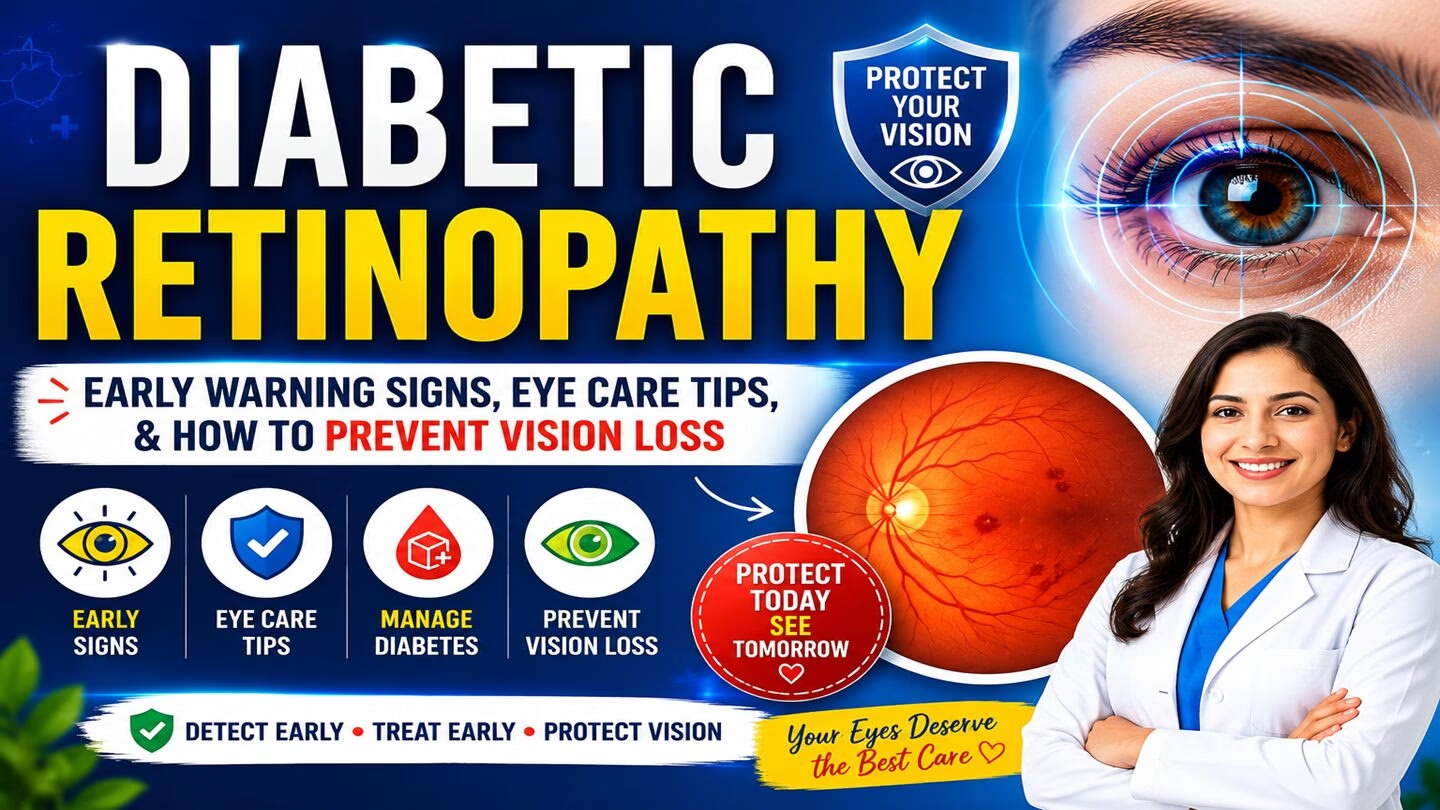
Diabetes does not only affect blood sugar. Over time, it can silently damage the eyes, nerves, kidneys, heart, and blood vessels. One of the most serious eye complications of diabetes is diabetic retinopathy, a condition that affects the retina — the light-sensitive layer at the back of the eye that helps you see clearly.
The most concerning part is that diabetic retinopathy often develops quietly. In the early stages, many people have no pain, no redness, and no obvious change in vision. By the time blurred vision, floaters, or dark spots appear, the disease may already be progressing.
The good news is that diabetic retinopathy is manageable, especially when detected early. Regular eye exams, good diabetes control, blood pressure management, and timely treatment can help protect vision and reduce the risk of serious eye damage.
This article explains what diabetic retinopathy is, the early warning signs to watch for, who is at risk, and the most important eye care steps every person with diabetes should follow.
👁️ What Is Diabetic Retinopathy?
Diabetic retinopathy is an eye disease caused by damage to the tiny blood vessels in the retina. The retina needs a healthy blood supply to function properly. When blood sugar remains high for a long time, it can weaken and damage these delicate blood vessels.
Damaged retinal blood vessels may leak fluid, bleed, become blocked, or trigger the growth of abnormal new blood vessels. These changes can interfere with vision and, if untreated, may lead to permanent vision loss.
Diabetic retinopathy can affect people with type 1 diabetes, type 2 diabetes, and gestational diabetes. The longer a person has diabetes, the higher the risk becomes, especially if blood sugar, blood pressure, or cholesterol levels are not well controlled.
🔍 Why Diabetic Retinopathy Is Dangerous
Diabetic retinopathy is dangerous because it can progress without obvious symptoms. A person may feel that their eyesight is normal while damage is already happening inside the eye.
In advanced stages, diabetic retinopathy can lead to:
✅ Blurred or distorted vision
✅ Bleeding inside the eye
✅ Swelling in the central retina
✅ Retinal scarring
✅ Retinal detachment
✅ Severe vision loss
✅ Permanent blindness
One common complication is diabetic macular edema, where fluid leaks into the macula — the part of the retina responsible for sharp central vision. This can make reading, driving, recognizing faces, or using a phone more difficult.
Early detection is essential because treatment works best before major vision damage occurs.
⚠️ Early Warning Signs of Diabetic Retinopathy
In the beginning, diabetic retinopathy may not cause any symptoms. This is why regular eye screening is so important. However, as the condition progresses, some warning signs may appear.
1. 👓 Blurred Vision
Blurred vision is one of the most common symptoms. It may come and go, especially when blood sugar levels are fluctuating. Some people notice that their vision becomes unclear even with glasses.
Temporary blurred vision can happen due to high blood sugar, but persistent or worsening blurring needs an eye examination.
2. ⚫ Floaters or Dark Spots
Floaters may look like small black dots, cobwebs, strings, or shadows moving across your vision. They can happen when tiny blood vessels bleed into the gel-like fluid inside the eye.
A sudden increase in floaters should not be ignored, especially in someone with diabetes.
3. 🌫️ Cloudy or Hazy Vision
Some people describe their vision as cloudy, foggy, or dull. This can happen due to swelling in the retina, bleeding, cataracts, or other diabetes-related eye changes.
If cloudy vision continues for more than a short period, it should be checked professionally.
4. 📖 Difficulty Reading or Seeing Fine Details
Diabetic macular edema can affect central vision. This may make reading small text, seeing details on a screen, or recognizing faces more difficult.
You may feel that you need brighter light, stronger glasses, or more effort to focus.
5. 🌙 Poor Night Vision
People with diabetic eye disease may notice difficulty seeing in dim light or while driving at night. Headlights may feel more disturbing, and contrast may become weaker.
Poor night vision can increase the risk of accidents and should be evaluated.
6. 🌀 Distorted Vision
Straight lines may appear wavy, objects may look bent, or vision may seem uneven. This can happen when the macula becomes swollen or damaged.
Distorted vision is an important warning sign and needs urgent attention.
7. 🚨 Sudden Vision Loss
Sudden loss of vision, a curtain-like shadow, or a large dark area in vision can indicate serious bleeding or retinal detachment. This is an emergency.
Anyone with diabetes who experiences sudden vision loss should seek urgent eye care immediately.
🧬 Who Is at Higher Risk?
Anyone with diabetes can develop diabetic retinopathy, but some people have a higher risk.
Risk factors include:
✅ Long duration of diabetes
✅ Poor blood sugar control
✅ High blood pressure
✅ High cholesterol
✅ Kidney disease
✅ Smoking
✅ Pregnancy with diabetes
✅ Previous eye disease
✅ Missed eye checkups
✅ Family history of diabetic eye problems
People who have had diabetes for many years should be especially careful, even if their vision feels normal.
🩺 How Is Diabetic Retinopathy Diagnosed?
The most important test is a comprehensive dilated eye exam. During this exam, an eye specialist uses drops to widen the pupil and examine the retina more clearly.
The eye doctor may also use:
🔹 Retinal photography to take detailed images of the back of the eye
🔹 Optical coherence tomography to check for swelling in the macula
🔹 Fluorescein angiography to assess leaking or blocked blood vessels
🔹 Visual acuity testing to measure clarity of vision
These tests help detect diabetic eye changes before symptoms become severe.
📅 How Often Should People With Diabetes Get an Eye Exam?
Most adults with diabetes need regular eye exams, often once a year. Some people may need more frequent monitoring if they already have retinopathy, macular edema, pregnancy, poor glucose control, or other risk factors.
In general:
✅ People with type 2 diabetes should have an eye exam soon after diagnosis
✅ People with type 1 diabetes usually need screening within a few years after diagnosis
✅ Pregnant women with diabetes may need eye checks before pregnancy or early in pregnancy
✅ Anyone with existing retinopathy should follow the schedule advised by their eye specialist
Even if your vision feels normal, do not skip eye exams. Diabetic retinopathy can be silent in the early stages.
🛡️ How to Prevent Vision Loss from Diabetic Retinopathy
Diabetic retinopathy cannot always be completely prevented, but the risk of progression and vision loss can be reduced with proper care.
1. 🩸 Keep Blood Sugar Under Control
Good blood sugar control is one of the most powerful ways to protect the eyes. High blood sugar damages small blood vessels, including those in the retina.
Helpful steps include:
✅ Monitor blood glucose as advised
✅ Follow your diabetes meal plan
✅ Take medicines or insulin as prescribed
✅ Check HbA1c regularly
✅ Avoid frequent high sugar spikes
✅ Discuss targets with your doctor
Improving glucose control should be done safely. Sudden major changes in blood sugar management should be guided by a healthcare professional.
2. ❤️ Control Blood Pressure
High blood pressure increases pressure on blood vessels and can worsen diabetic eye damage. For people with diabetes, blood pressure control is extremely important for protecting the eyes, kidneys, heart, and brain.
Helpful habits include:
✅ Reduce excess salt intake
✅ Stay physically active
✅ Maintain a healthy weight
✅ Take blood pressure medicines if prescribed
✅ Check blood pressure regularly
✅ Limit highly processed foods
Good blood pressure control can slow the progression of diabetic retinopathy.
3. 🧈 Manage Cholesterol Levels
High cholesterol can contribute to blood vessel damage and may increase the risk of retinal complications. People with diabetes should check cholesterol levels regularly and follow medical advice about diet, exercise, and medication when needed.
A heart-healthy diet that supports eye health includes:
✅ Vegetables
✅ Fruits in appropriate portions
✅ Whole grains
✅ Beans and lentils
✅ Nuts and seeds
✅ Fatty fish
✅ Olive oil
✅ Lean proteins
Avoiding trans fats and reducing excess saturated fats can support vascular health.
4. 🚭 Stop Smoking
Smoking damages blood vessels and increases inflammation throughout the body. In people with diabetes, smoking can worsen circulation problems and increase the risk of complications.
Quitting smoking is one of the best steps for protecting eye health, heart health, kidney health, and overall diabetes control.
5. 🥗 Eat for Eye and Blood Vessel Health
No single food can cure diabetic retinopathy, but a balanced diet can support better blood sugar control and vascular health.
Focus on:
🥦 Leafy green vegetables
🐟 Omega-3 rich fish
🥜 Nuts and seeds
🫘 Beans and lentils
🍓 Low-glycemic fruits
🌾 Whole grains
🥚 Protein-rich foods
💧 Water instead of sugary drinks
Try to reduce sugary drinks, refined carbohydrates, deep-fried foods, and frequent high-calorie snacks.
6. 🚶 Stay Physically Active
Regular physical activity improves insulin sensitivity, supports blood pressure control, helps manage weight, and benefits circulation.
Good options include:
✅ Brisk walking
✅ Cycling
✅ Swimming
✅ Light strength training
✅ Stretching
✅ Post-meal walking
Even a 10–15 minute walk after meals can help reduce blood sugar spikes. People with advanced eye disease should ask their doctor before doing heavy lifting or intense exercise, as some activities may not be suitable.
7. 👁️ Never Miss Eye Appointments
Eye appointments are not only for people with poor vision. They are essential for early detection.
Many people delay eye checks because they can still see clearly. This is risky because diabetic retinopathy may already be developing silently.
Make eye exams part of your diabetes care routine, just like HbA1c, blood pressure, kidney tests, and foot checks.
💉 Treatment Options for Diabetic Retinopathy
Treatment depends on the stage and severity of the disease. In early stages, careful monitoring and better diabetes control may be enough. In more advanced stages, treatment may be needed to prevent vision loss.
Common treatments include:
🔹 Anti-VEGF Eye Injections
These medicines help reduce abnormal blood vessel growth and swelling in the retina. They are commonly used for diabetic macular edema and advanced retinopathy.
🔹 Laser Treatment
Laser therapy can seal leaking blood vessels or reduce abnormal vessel growth. It may help prevent further vision loss.
🔹 Steroid Treatment
In some cases, steroid injections or implants may be used to reduce retinal swelling.
🔹 Vitrectomy Surgery
If there is severe bleeding or scar tissue inside the eye, surgery may be needed to remove blood and repair retinal problems.
Treatment can protect vision, but it works best when started early.
🚨 When to Seek Urgent Eye Care
Contact an eye specialist urgently if you notice:
🚨 Sudden vision loss
🚨 A curtain-like shadow over vision
🚨 Sudden increase in floaters
🚨 Flashes of light
🚨 Severe eye pain
🚨 Rapid worsening of blurred vision
🚨 Dark spots that do not go away
🚨 Wavy or distorted central vision
Do not wait for symptoms to improve on their own. Early treatment may save vision.
✅ Daily Eye Care Checklist for People With Diabetes
Use this simple checklist to protect your eyes:
✅ Check blood sugar regularly
✅ Keep HbA1c within your target range
✅ Control blood pressure
✅ Manage cholesterol
✅ Attend yearly dilated eye exams
✅ Take diabetes medicines as prescribed
✅ Eat a balanced, high-fiber diet
✅ Stay physically active
✅ Avoid smoking
✅ Report vision changes early
✅ Keep kidney and heart checkups updated
✅ Follow your eye specialist’s treatment plan
Small daily habits can make a major difference over time.
🧠 Final Thoughts
Diabetic retinopathy is one of the most serious eye complications of diabetes, but vision loss is not inevitable. The biggest danger is silence — many people do not feel symptoms until the disease has already progressed.
If you have diabetes, your eyes need regular protection, even when your vision seems normal. Good blood sugar control, blood pressure management, cholesterol care, healthy lifestyle habits, and regular dilated eye exams can significantly reduce the risk of severe vision problems.
Your eyesight is precious. Do not wait for blurred vision or eye symptoms before taking action. Make diabetic eye care a permanent part of your health routine.
Early detection can protect your vision. Consistent diabetes care can protect your future.
Medical Disclaimer
This article is for educational purposes only and does not replace professional medical advice, diagnosis, or treatment. If you have diabetes or any vision changes, consult a qualified healthcare provider or eye specialist for personalized care.
ABOUT THE AUTHOR
Dr. Nora West is a highly skilled MBBS doctor with a special interest in women’s health and patient education. She is dedicated to providing compassionate care and believes in building strong doctor–patient relationships based on trust and understanding. Dr. Nora focuses on empowering her patients with the knowledge they need to make informed decisions about their health. She is particularly passionate about preventive medicine, nutrition, and lifestyle interventions that can significantly improve quality of life. Known for her warmth and professionalism, Dr. Nora combines evidence-based medicine with a personalized approach, ensuring every patient feels supported on their journey to better health.
- Dr. Nora West

- Dr. Nora West

- Dr. Nora West

- Dr. Nora West









Add comment