
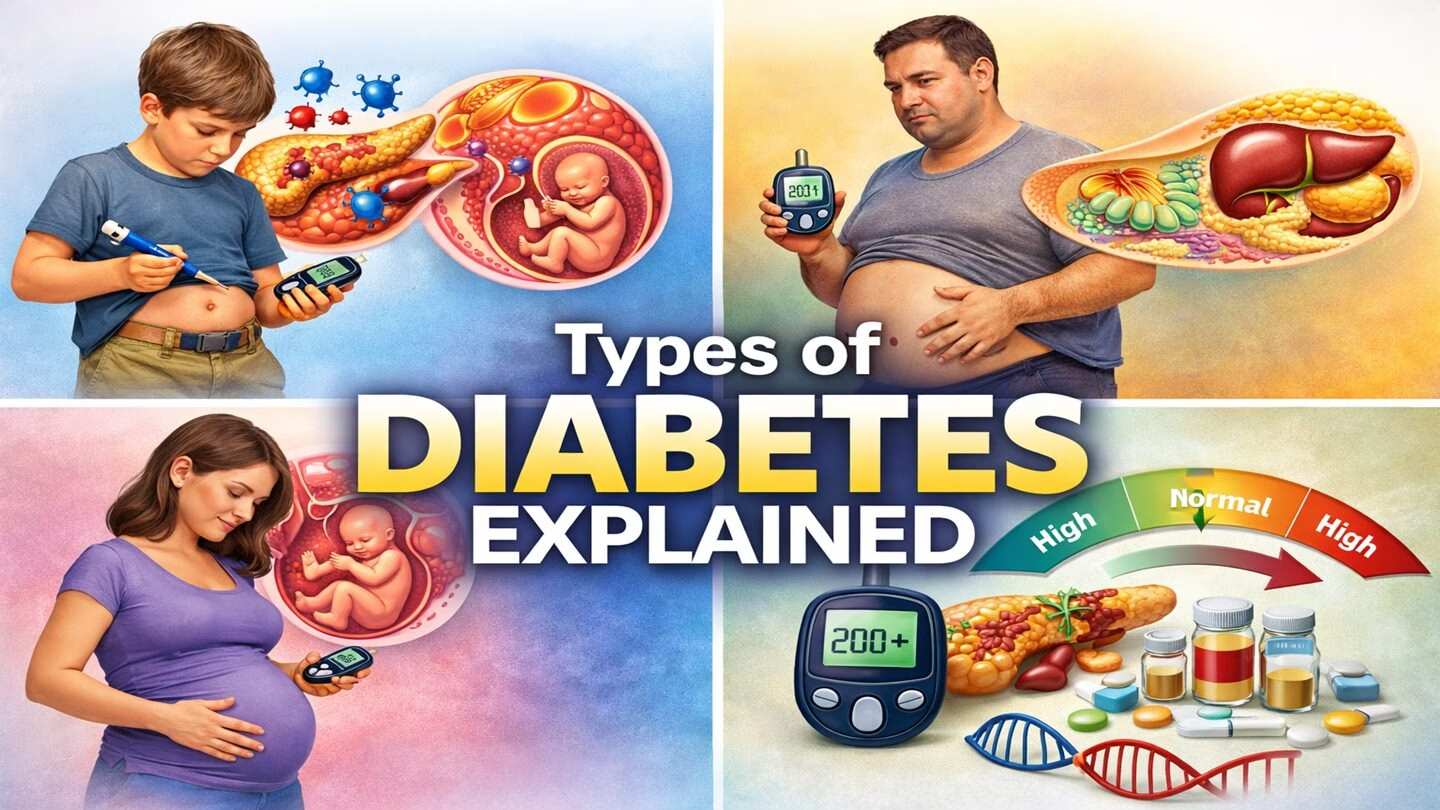
Diabetes is one of the most common chronic health conditions worldwide, affecting millions of people across all age groups. It occurs when the body is unable to properly regulate blood glucose (sugar) levels due to problems with insulin production or function.
Understanding the different types of diabetes is essential for early diagnosis, proper treatment, and long-term prevention of complications.
🔍 What is Diabetes?
Diabetes is a metabolic disorder characterized by:
- High blood sugar levels (hyperglycemia)
- Impaired insulin production or action
- Long-term risk of organ damage
👉 Insulin is a hormone produced by the pancreas that helps glucose enter cells to be used for energy.
🧬 1. Type 1 Diabetes
📌 Overview
Type 1 diabetes is an autoimmune condition in which the immune system attacks and destroys insulin-producing beta cells in the pancreas.
⚙️ Causes
- Autoimmune destruction
- Genetic predisposition
- Possible viral triggers
⚠️ Symptoms
- Frequent urination (polyuria)
- Excessive thirst (polydipsia)
- Unexplained weight loss
- Fatigue
- Blurred vision
💉 Management
- Lifelong insulin therapy
- Blood glucose monitoring
- Carbohydrate counting
🚨 Complication Risk
- High risk of Diabetic Ketoacidosis (DKA) if untreated
🍔 2. Type 2 Diabetes
📌 Overview
Type 2 diabetes is the most common form and results from insulin resistance combined with a gradual decline in insulin production.
⚙️ Causes & Risk Factors
- Overweight/obesity
- Sedentary lifestyle
- Family history
- Poor diet (high sugar & processed foods)
- Aging
⚠️ Symptoms (Often Silent Initially)
- Increased thirst and urination
- Slow wound healing
- Frequent infections
- Fatigue
🩺 Management
- Lifestyle modification (diet + exercise)
- Oral medications (e.g., metformin)
- Insulin (in advanced cases)
🔑 Key Insight
👉 Many cases are preventable and reversible (early stage)
🤰 3. Gestational Diabetes
📌 Overview
Gestational diabetes develops during pregnancy due to hormonal changes that increase insulin resistance.
⚙️ Causes
- Placental hormones interfering with insulin
- Increased metabolic demand
⚠️ Risks
- Large baby (macrosomia)
- Birth complications
- Increased risk of Type 2 diabetes later
🩺 Management
- Controlled diet
- Regular exercise
- Blood sugar monitoring
- Insulin (if needed)
🔄 After Pregnancy
Usually resolves after delivery—but requires follow-up.
⚠️ 4. Prediabetes
📌 Overview
Prediabetes is a warning stage where blood sugar levels are higher than normal but not high enough to be classified as diabetes.
📊 Why It Matters
- 1 in 3 adults may have prediabetes
- Often goes undiagnosed
⚠️ Risk Factors
- Obesity
- Physical inactivity
- Family history
🔄 Reversibility
✅ Completely reversible with:
- Weight loss
- Healthy diet
- Regular physical activity
🧪 5. Other Specific Types of Diabetes
🧬 Monogenic Diabetes (MODY)
- Caused by single gene mutation
- Often mistaken for Type 1 or Type 2
🔥 Secondary Diabetes
Caused by:
- Pancreatitis
- Hormonal disorders
- Medications (e.g., steroids)
🫁 Other Conditions
- Cystic fibrosis-related diabetes
- Post-transplant diabetes
📊 Quick Comparison
| Type | Cause | Onset | Treatment |
|---|---|---|---|
| Type 1 | Autoimmune | Sudden | Insulin |
| Type 2 | Insulin resistance | Gradual | Lifestyle + meds |
| Gestational | Pregnancy hormones | Temporary | Diet ± insulin |
| Prediabetes | Early metabolic issue | Silent | Lifestyle |
| Others | Genetic/secondary | Variable | Cause-specific |
🚨 Common Symptoms of Diabetes (All Types)
- Excessive thirst
- Frequent urination
- Fatigue
- Blurred vision
- Slow healing wounds
👉 If you notice these symptoms, early testing is critical.
🛡️ Prevention Tips (Especially for Type 2 & Prediabetes)
✔ Maintain healthy body weight
✔ Eat a balanced, low-sugar diet
✔ Exercise regularly (150 min/week)
✔ Avoid processed foods
✔ Get regular health checkups
🧠 Final Takeaway
- Type 1 → Insulin is essential for survival
- Type 2 → Lifestyle plays a major role
- Prediabetes → Your biggest opportunity to reverse risk
- Gestational diabetes → A future warning sign
👉 Early awareness and action can prevent complications and improve quality of life.
ABOUT THE AUTHOR
Dr. Alex Sam is a passionate healthcare professional with an MBBS and MRCGP degree and a strong commitment to modern medicine. Known for his empathetic approach, he emphasizes listening to his patients and understanding their unique health concerns before offering treatment. His areas of focus include family medicine and general health management, where he strives to provide holistic care that improves both physical and mental well-being. Dr. Alex is also a strong advocate for preventive screenings and early detection of diseases, ensuring his patients maintain healthier lives. With a calm demeanor and deep medical insight, he has earned the trust of both his patients and peers in the medical community.
- Dr. Alex Sam

- Dr. Alex Sam

- Dr. Alex Sam

- Dr. Alex Sam












Add comment