
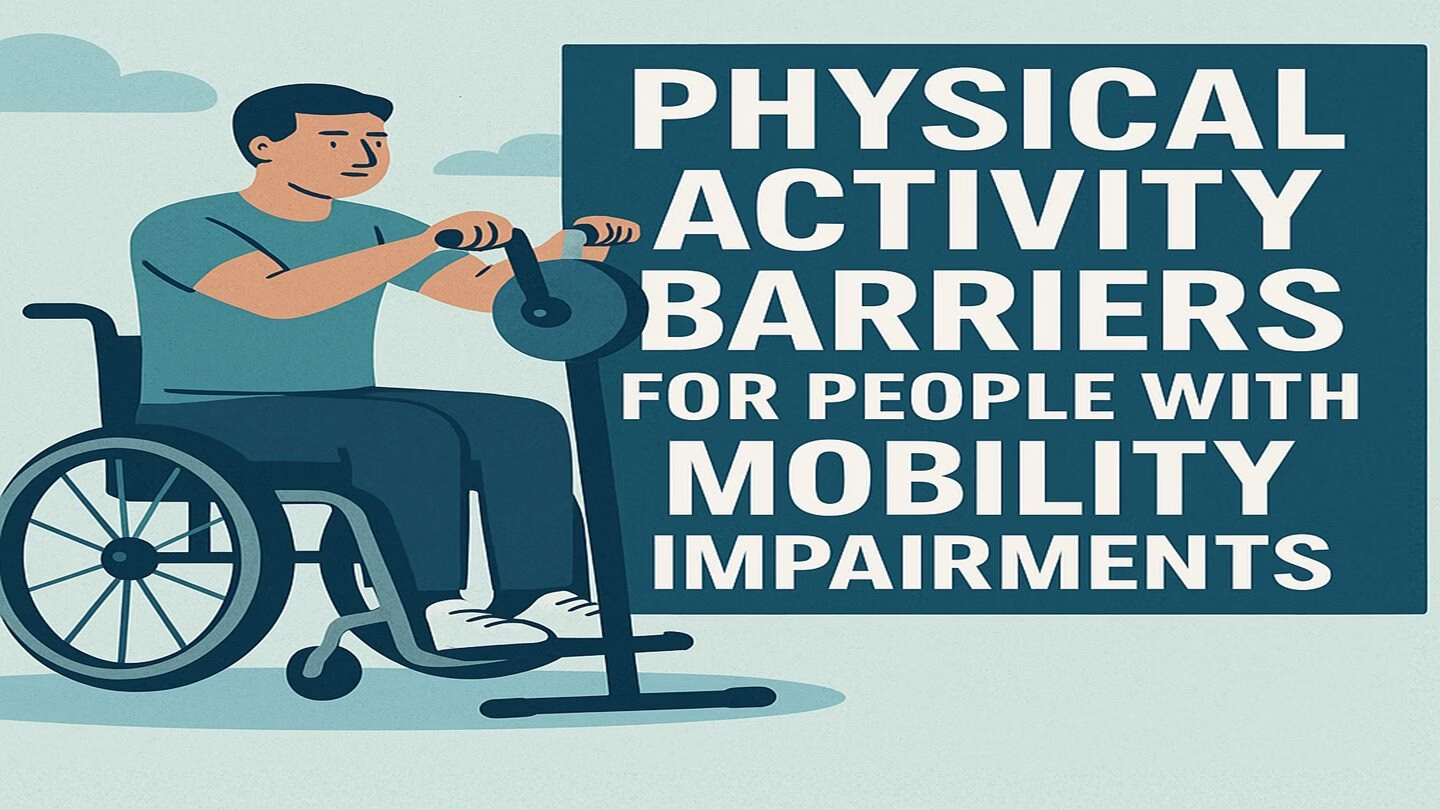
Regular physical activity supports cardiovascular health, glucose control, bone density, mental well-being, sleep quality, and independence. Yet people with mobility impairments (from conditions like spinal cord injury, cerebral palsy, stroke, multiple sclerosis, arthritis, limb loss, chronic pain, or post-surgical limitations) encounter a unique web of barriers that make “just exercise” anything but simple. This article maps those barriers across individual, environmental, and systemic levels—and offers practical, evidence-informed ways to overcome them for individuals, caregivers, clinicians, and communities.
1) Understanding Mobility Impairment and Activity Needs
- Mobility impairment refers to limitations in moving, changing position, or walking that may be permanent, progressive, or fluctuating. It spans wheelchair users, cane/walker users, and people with balance or endurance limits.
- Activity goals may differ (e.g., improving transfers, preserving shoulder health, maintaining bone/mineral density, optimizing circulation, preventing pressure injuries), but the core principles of safety, progression, and enjoyment still apply.
- Recommended dosage (individualized): Aim for regular aerobic movement, strength training for major muscle groups (including upper body for wheelchair users), flexibility/mobility work, and functional balance/transfer practice. Programs should be adapted by trained professionals and aligned with medical guidance.
2) The Barrier Landscape
A. Personal & Health-Related Barriers
- Pain, spasticity, fatigue, autonomic dysreflexia, orthostatic intolerance, or impaired thermoregulation can limit both duration and intensity.
- Secondary complications (pressure injuries, contractures, urinary tract issues, osteoporosis) can interrupt momentum.
- Fear of injury or falls and low confidence when using new equipment or spaces.
- Medication effects (sedation, dizziness) and fluctuating conditions (e.g., MS relapse).
- Limited knowledge of adapted exercise options and safe progression.
- Psychosocial factors: depression, anxiety, stigma, previous negative experiences in fitness settings.
B. Environmental & Accessibility Barriers
- Physical access: stairs at facility entry; narrow doorways; non-height-adjustable machines; inaccessible locker rooms, showers, and toilets; lack of transfer benches; poor parking/curb cuts.
- Equipment barriers: few or no upper-body ergometers, functional electrical stimulation (FES) bikes, recumbent steppers, standing frames, or wheelchair-accessible resistance equipment.
- Transportation: limited paratransit, long travel times, inaccessible sidewalks, cost/logistics of private transport.
- Climate & terrain: heat sensitivity, ice/snow, uneven or sandy surfaces restricting outdoor activity.
C. Information, Training & Cultural Barriers
- Insufficient staff training in adapted exercise, safe transfers, spotting, and communication.
- Inadequate signage/program info about accessibility features.
- Lack of inclusive culture: patronizing attitudes, staring, or overprotectiveness that sidelines autonomy.
- Limited peer role models and social support.
D. Financial & Policy Barriers
- Cost of memberships, specialized equipment, personal training, or caregiver support.
- Insurance gaps for adaptive devices (e.g., sport wheelchairs, FES bikes) and community programs.
- Program eligibility rules that unintentionally exclude (age limits, medical forms, “independent ambulation” requirements).
3) Consequences of Inactivity (Why It Matters)
- Cardiometabolic risk: higher risk of type 2 diabetes, dyslipidemia, and hypertension when movement is restricted.
- Musculoskeletal decline: loss of strength, range of motion, and bone density; joint overload of the upper limbs for wheelchair users.
- Functional loss: reduced independence with transfers and ADLs (activities of daily living).
- Mental health: higher rates of anxiety and depressive symptoms when activity and social participation are limited.
- Quality of life: less community engagement, fewer employment opportunities, and more healthcare utilization.
4) Practical Solutions by Audience
A. For Individuals & Caregivers
Safety first
- Consult your physician or rehab team to identify contraindications (e.g., unstable spine, uncontrolled blood pressure, unhealed wounds).
- Create an early-warning checklist (e.g., skin redness, unusual pain, dizziness, autonomic symptoms) and a plan to stop/modulate activity.
Plan smart
- Micro-sessions: 5–10 minutes, 2–4 times/day can match or exceed one long session in total load—crucial for pain/fatigue management.
- Thermo-management: cooling vests, fans, shaded times outdoors, hydration plan, and climate-controlled spaces.
- Energy conservation: alternate higher- and lower-effort days; pair strength sessions with gentler mobility work.
Program building blocks
- Aerobic options: wheelchair propulsion intervals, arm-crank ergometer (UBE), recumbent stepper, handcycle, seated boxing, aquatic therapy, rhythmic resistance band circuits.
- Strength: resistance bands, cable machines with chair access, dumbbells/kettlebells from stable seating, medicine-ball tosses, isometrics during transfers (as appropriate).
- Mobility/flexibility: daily gentle range-of-motion; spasticity-friendly stretches with slow ramps and longer holds.
- Balance & transfers: seated balance drills, perturbation training with belts, transfer practice with sliding boards or pivot techniques.
- Pressure relief: schedule reliefs during longer seated sessions (e.g., every 15–30 minutes).
Motivation & adherence
- Track small wins (time, reps, RPE, mood, pain scores).
- Build social accountability: adapted group classes, online communities, or a workout buddy.
- Celebrate functional gains (e.g., smoother car transfers, easier grocery trips) not just gym numbers.
B. For Fitness Professionals & Clinicians
- Competency: train in safe transfers, wheelchair etiquette, spotting, and emergency procedures (autonomic dysreflexia protocols where relevant).
- Assessment: baseline vitals, ROM, spasticity, skin integrity, orthostatic tolerance, shoulder health, and assistive device fit.
- Prescribing:
- Use RPE (rating of perceived exertion) when heart-rate metrics are unreliable due to autonomic changes or medications.
- Favor interval formats and cluster sets to manage fatigue/spasticity.
- Prioritize shoulder preservation (scapular strength, posterior cuff, mobility) for wheelchair users.
- Documentation: track symptoms, load, and skin checks; coordinate with PT/OT and primary care.
- Environment: ensure accessible routes, adjustable benches, transfer aids, and clear signage of accessibility features.
C. For Gyms, Community Centers & Public Health
- Universal design: ramped entries, door widths ≥ 32 in (≈81 cm), low-force door hardware, clear floor space beside machines, accessible restrooms and showers with seats and grab bars.
- Equipment mix: at least one UBE/arm-crank, recumbent stepper with swivel seat, cable machines with low starting resistance, adjustable benches, resistance bands, medicine balls, and space for sport chairs.
- Staffing & culture: routine competencies in adapted fitness; visible inclusion statements; highlight adapted classes and peer mentors.
- Communication: accessibility maps/photos on websites; booking systems that allow space for support persons.
- Partnerships: connect with rehab hospitals, disability orgs, and paratransit providers; offer scholarship pricing.
D. For Policy Makers & Insurers
- Funding for accessible infrastructure and community-based adapted programs.
- Coverage for durable medical equipment used for exercise (e.g., handcycles, standing frames) when medically justified.
- Transportation: expand accessible, on-time options to reduce no-shows.
- Inclusive standards in public grants and procurement for recreation facilities.
5) Choosing and Adapting Activities: Quick Guide
| Goal | Good Starting Options | Adaptations/Tips |
|---|---|---|
| Cardio | Arm-crank ergometer, handcycle, wheelchair propulsion intervals, seated boxing, aquatic jogging | Use intervals (e.g., 30–60 sec work, 60–120 sec easy); monitor RPE; manage temperature; schedule pressure reliefs |
| Strength | Bands, cables, dumbbells from stable seating, medicine-ball chest passes | Emphasize scapular stability and posterior chain; use straps or cuffs for grip limits |
| Flexibility | Gentle daily ROM, long-hold stretches | Slow ramps to avoid spasticity triggers; heat/relaxation before; breathe steadily |
| Balance/Transfers | Seated balance drills, perturbations with supervision, transfer practice | Harnesses or parallel bars for safety; sliding boards; gradual complexity increases |
| Bone Health | Standing frames, FES cycling (as appropriate) | Medical screening for osteoporosis; supervised progression |
6) Risk Management & Red Flags
- Stop and seek care if you notice: new/worsening pressure injury; autonomic dysreflexia symptoms (sudden pounding headache, flushing, sweating above injury, brady/tachycardia) in susceptible individuals; chest pain; severe shortness of breath; syncope; new neurologic deficits.
- Before progressing intensity, confirm skin integrity, shoulder comfort, and stable vitals over 1–2 weeks at a given load.
7) Measuring What Matters
- Beyond steps: track wheelchair propulsion time/distance, arm-ergometer minutes, RPE, sets/reps, and session intent (cardio vs strength).
- Function first: document transfer ease, time to complete ADLs, community participation, and fatigue recovery.
- Sustainable adherence: aim for activities that are enjoyable, social when possible, and logistically feasible.
8) Action Checklists
For individuals
- Get medical clearance; list personal red flags.
- Choose 2–3 activities you enjoy and can access weekly.
- Build a 10–20 minute starter plan (split into micro-sessions if needed).
- Prepare logistics: transport, clothing, gloves/cuffs, cooling, hydration.
- Track RPE, mood, pain, and skin checks after each session.
For facilities
- Audit entrances, routes, and restrooms; fix quick wins (door closers, signage).
- Add one accessible cardio device and adjustable benches.
- Train all staff in transfers and disability etiquette.
- Publish accessibility info (photos!) online.
- Launch at least one adapted class with scholarship slots.
9) Frequently Asked Questions
Q: Can short bouts really help?
Yes—multiple 5–10 minute bouts distributed through the day can improve fitness and function while respecting fatigue/pain limits.
Q: I’m worried about shoulder pain from wheelchair propulsion.
Protect the shoulders with scapular stabilization, posterior cuff strengthening, thoracic mobility work, and technique coaching; modulate propulsion volume and add cross-training (UBE, bands).
Q: What if my condition fluctuates?
Use autoregulation (RPE and symptom checklists). On lower-energy days, swap to mobility or light cardio; on better days, progress cautiously.
Q: Do I need special equipment?
Not always. Resistance bands, a sturdy chair, and a door anchor support full-body training. Specialized devices can expand options but aren’t mandatory to start.
10) Key Takeaways
- Barriers are real—and often external—but modifiable with smart design, training, and policy.
- Start small, plan for symptoms, and prioritize function and consistency over perfection.
- Facilities and professionals play a decisive role: access, equipment, and culture determine whether an exercise plan is possible at all.
- Advocacy matters: when transportation, funding, or insurance changes, participation skyrockets.
Disclaimer
This content is educational and not a substitute for individualized medical advice. Always consult your healthcare professional or rehabilitation team before starting or changing an exercise program.
ABOUT THE AUTHOR
Dr. Alex Sam is a passionate healthcare professional with an MBBS and MRCGP degree and a strong commitment to modern medicine. Known for his empathetic approach, he emphasizes listening to his patients and understanding their unique health concerns before offering treatment. His areas of focus include family medicine and general health management, where he strives to provide holistic care that improves both physical and mental well-being. Dr. Alex is also a strong advocate for preventive screenings and early detection of diseases, ensuring his patients maintain healthier lives. With a calm demeanor and deep medical insight, he has earned the trust of both his patients and peers in the medical community.
- Dr. Alex Sam

- Dr. Alex Sam

- Dr. Alex Sam
- Dr. Alex Sam








Add comment