

Eating a balanced diet is one of the most powerful steps you can take for long-term health. Yet, in today’s world of fad diets, quick fixes, and conflicting nutrition advice, the concept of a “balanced diet” often feels confusing. The truth is simple: your body thrives when it receives the right mix of nutrients in the right amounts.
This guide breaks down what a balanced diet truly means, the key nutrients your body needs, and practical ways to build healthier eating habits that last.
🥗 What Is a Balanced Diet?
A balanced diet is about variety, moderation, and proportion. It provides your body with essential nutrients—carbohydrates, proteins, fats, vitamins, minerals, and water—without overloading on calories, sugar, or processed foods.
Think of your plate as a pie chart:
- Half filled with fruits and vegetables
- One-quarter with lean protein
- One-quarter with whole grains or complex carbs
- A small serving of healthy fats to tie it all together
This mix ensures your body gets the fuel it needs for energy, growth, repair, and protection against disease.
⚡ Why Balance Matters
When your diet is balanced:
- You maintain a healthy weight without extreme restrictions.
- Your body gets the nutrients to support immunity, energy, and mental clarity.
- You reduce risks of chronic conditions like heart disease, diabetes, and osteoporosis.
- You enjoy food without guilt or confusion, making healthy eating sustainable.
In contrast, unbalanced diets—whether high in processed foods or extremely restrictive—create nutrient gaps, cravings, fatigue, and long-term health risks.
🥦 The Six Essential Nutrients Your Body Needs
1. Carbohydrates – Your Primary Energy Source
- Role: Provide energy for daily activities and brain function.
- Best Sources: Whole grains (brown rice, oats, quinoa), fruits, vegetables, legumes.
- Tip: Aim for complex carbs rich in fiber, not refined sugars. Swap white bread for whole-grain options.
2. Proteins – The Building Blocks
- Role: Support muscle growth, tissue repair, enzymes, and hormones.
- Best Sources: Lean meats, fish, eggs, dairy, beans, lentils, tofu, nuts, seeds.
- Tip: Include a protein source in every meal to keep you satisfied longer.
3. Fats – Essential, Not Evil
- Role: Provide energy, protect organs, support brain and hormone health.
- Best Sources: Avocados, olive oil, fatty fish (salmon, mackerel), nuts, seeds.
- Tip: Focus on unsaturated fats; limit saturated and avoid trans fats found in fried or packaged foods.
4. Vitamins – Tiny but Mighty
- Role: Regulate body processes, boost immunity, support growth and repair.
- Key Examples:
- Vitamin A: Vision and skin health (carrots, sweet potatoes)
- Vitamin C: Immunity and healing (oranges, bell peppers)
- Vitamin D: Bone strength (sunlight, fortified milk, salmon)
- Vitamin B group: Energy and brain function (whole grains, eggs)
5. Minerals – The Body’s Spark Plugs
- Role: Maintain fluid balance, bone health, and nerve signaling.
- Key Examples:
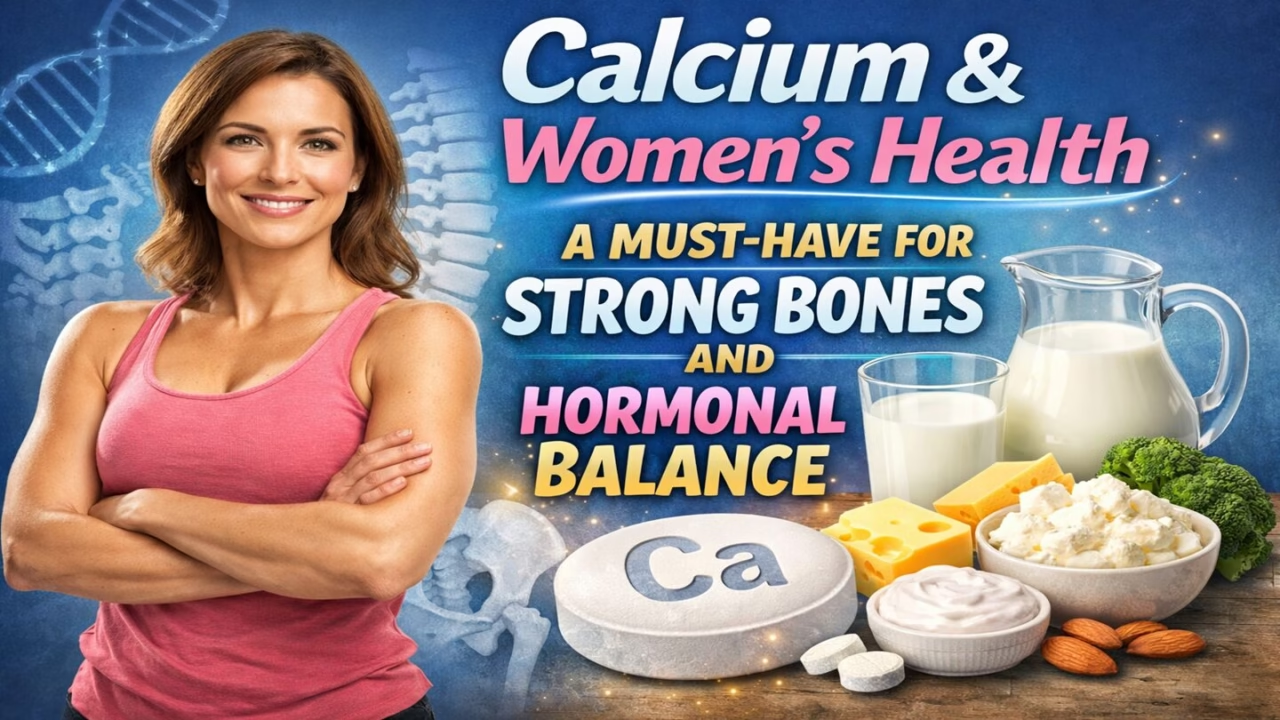
- Calcium: Strong bones and teeth (milk, yogurt, leafy greens)
- Iron: Oxygen transport in blood (red meat, spinach, lentils)
- Magnesium: Muscle and nerve function (nuts, seeds, whole grains)
- Zinc: Healing and immunity (pumpkin seeds, chickpeas, seafood)
6. Water – The Forgotten Nutrient
- Role: Regulates temperature, aids digestion, transports nutrients, removes waste.
- Tip: Aim for 6–8 glasses daily, more if active or in hot climates. Herbal teas and water-rich foods (cucumbers, watermelon) also count.
🥑 The Power of Food Groups
To make balanced eating practical, focus on food groups rather than isolated nutrients:
- Fruits & Vegetables: Provide fiber, antioxidants, vitamins, and minerals. Try to “eat the rainbow” daily.
- Whole Grains: Supply steady energy and fiber. Choose brown rice, oats, barley, and whole-wheat bread.
- Protein Sources: Balance between plant and animal options. Plant-based proteins add fiber and phytonutrients.
- Dairy or Alternatives: Important for calcium, vitamin D, and protein. Choose low-fat versions or fortified plant alternatives.
- Healthy Fats: Include small portions daily for heart and brain health.
🍽️ Portion Control: How Much Is Enough?
Even healthy foods can add up in calories if eaten in large amounts. Use these simple portion cues:
- Protein: Palm-sized portion per meal
- Carbohydrates: Fist-sized portion per meal
- Fats: Thumb-sized portion (like one tablespoon of oil or nut butter)
- Vegetables: Unlimited (aim for half your plate)
🌍 Tailoring Diet to Your Lifestyle
Balanced eating isn’t one-size-fits-all. Your needs depend on age, gender, activity level, and health status.
- Children & Teens: Higher needs for calcium and protein for growth.
- Adults: Focus on energy balance and disease prevention.
- Pregnant Women: Extra iron, folic acid, and protein support mother and baby.
- Seniors: Prioritize protein for muscle mass, vitamin D for bones, and fiber for digestion.
- Athletes: Require more carbohydrates for energy and protein for muscle recovery.
🚫 Common Mistakes to Avoid
- Skipping Meals: Leads to overeating later and unstable blood sugar.
- Relying on Supplements Alone: Food should be the main nutrient source; supplements are for gaps.
- Too Much Sugar & Processed Foods: Increases risk of obesity, diabetes, and heart disease.
- Over-restrictive Diets: Cutting entire food groups can cause nutrient deficiencies.
- Ignoring Hydration: Water is just as important as food.
✅ Practical Tips for Building a Balanced Diet
- Plan meals ahead to avoid last-minute unhealthy choices.
- Cook at home more often to control ingredients and portions.
- Read nutrition labels to spot hidden sugars and fats.
- Practice mindful eating—chew slowly, savor flavors, and listen to your hunger cues.
- Keep healthy snacks (nuts, fruit, yogurt) on hand instead of chips or candy.
🧠 Balanced Diet and Mental Health
What you eat affects not just your body but also your mind. Diets rich in whole foods, omega-3 fats, and vitamins are linked to better mood, reduced anxiety, and sharper memory. On the other hand, diets high in processed foods and sugar may worsen stress and depression.
🔑 Key Takeaways
- A balanced diet provides your body with carbohydrates, proteins, fats, vitamins, minerals, and water in the right proportions.
- Focus on whole, minimally processed foods across all groups.
- Pay attention to portion control and lifestyle needs.
- Avoid common pitfalls like skipping meals, excessive sugar, or extreme diets.
- Remember: Balance isn’t about perfection—it’s about consistency and variety.
📌 Final Word
A balanced diet isn’t about rigid rules—it’s about making smart, consistent choices that support your long-term health. By filling your plate with colorful fruits and vegetables, lean proteins, whole grains, and healthy fats, while staying hydrated, you’ll give your body exactly what it needs to thrive.
Healthy eating doesn’t need to be complicated. Start small, stay consistent, and enjoy the journey toward a healthier, more energized life.
ABOUT THE AUTHOR
Dr. Nora West is a highly skilled MBBS doctor with a special interest in women’s health and patient education. She is dedicated to providing compassionate care and believes in building strong doctor–patient relationships based on trust and understanding. Dr. Nora focuses on empowering her patients with the knowledge they need to make informed decisions about their health. She is particularly passionate about preventive medicine, nutrition, and lifestyle interventions that can significantly improve quality of life. Known for her warmth and professionalism, Dr. Nora combines evidence-based medicine with a personalized approach, ensuring every patient feels supported on their journey to better health.
- Dr. Nora West

- Dr. Nora West
- Dr. Nora West
- Dr. Nora West








Add comment