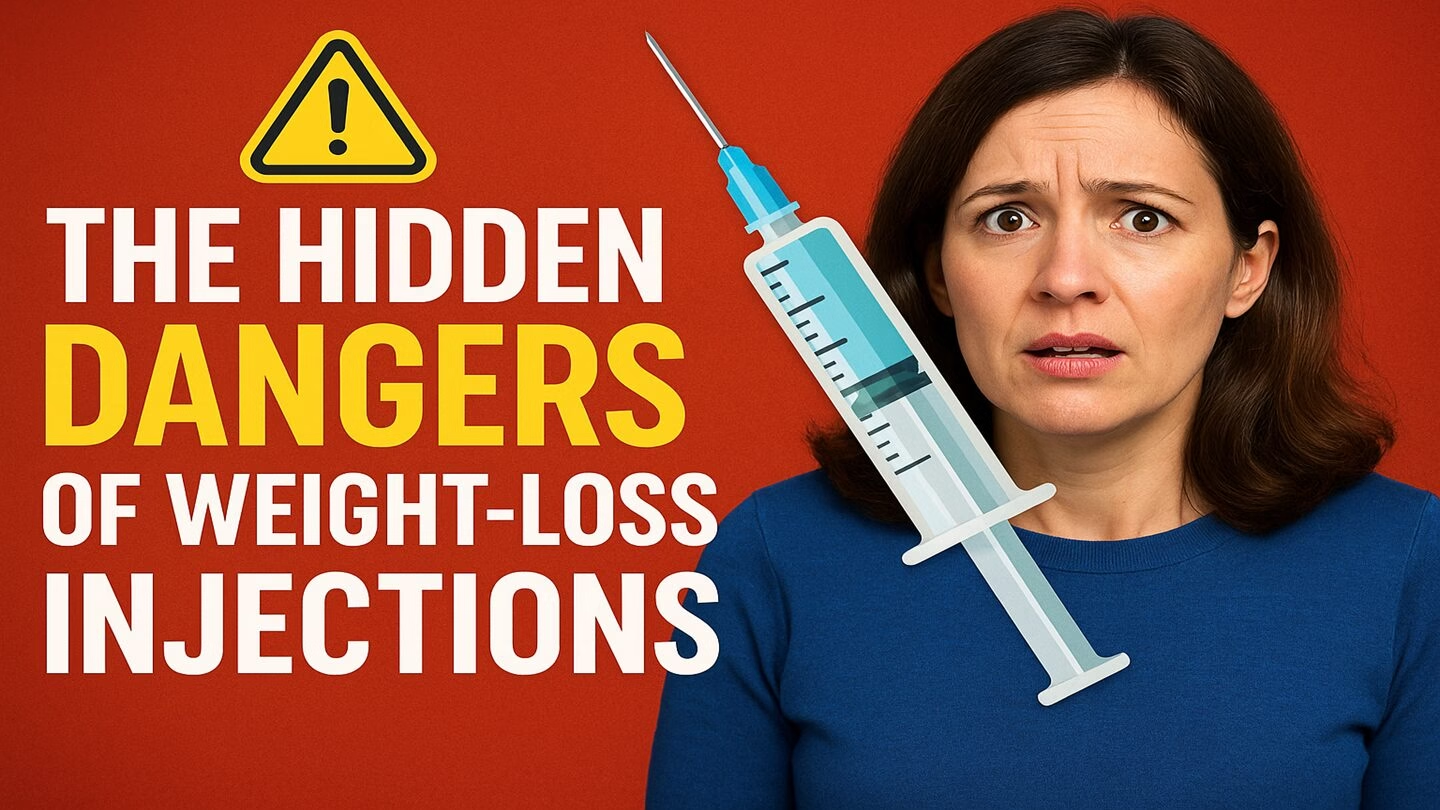
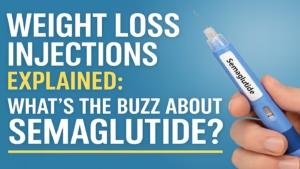
Weight-loss injections like Ozempic, Wegovy, Saxenda, and Mounjaro are trending everywhere — from celebrities to social media influencers. These medications promise quick results with minimal effort. But what most people don’t see are the risks, complications, and long-term consequences hiding behind the “easy weight-loss” trend.
If you’re considering these injections — or already using them — this guide will help you understand the real dangers, backed by medical insights but explained in a simple, everyday way.
⚠️ 1. They Can Cause Extreme Muscle Loss — Not Just Fat Loss
Most people celebrate fast weight loss… until they realise up to 40% of the weight lost can be MUSCLE.
Why this is dangerous:
- Muscle controls metabolism. Losing it slows your calorie-burning rate.
- Once you stop the injections, weight returns faster, and mostly as fat — making future weight loss harder.
- Muscle loss increases fatigue, weakness, and risk of injuries.
You may look smaller on the scale, but internally your body becomes weaker.
🤢 2. Severe Digestive Problems Are More Common Than People Think
Weight-loss injections slow down how fast your stomach empties. This leads to:
- Constant nausea
- Vomiting
- Persistent bloating
- Heartburn
- Severe constipation
- Feeling “full” for hours even after small meals
In extreme cases:
People may develop gastroparesis — a condition where the stomach becomes “paralyzed.”
Some users need hospitalization or long-term treatment to recover.
🚨 3. Rapid Weight Loss Can Trigger Gallstones
Losing weight too quickly increases bile concentration, leading to:
- Gallstones
- Gallbladder inflammation
- Sudden sharp abdominal pain
- Risk of emergency surgery
Doctors frequently report gallbladder issues in people using these injections for cosmetic weight loss.
🧪 4. Risk of Pancreatitis — A Dangerous, Painful Condition
Several studies and medical reports link GLP-1 drugs to pancreatitis.
Warning signs include:
- Sudden severe stomach pain
- Pain radiating to the back
- Persistent vomiting
- High fever
Pancreatitis is not a minor side effect — it can be life-threatening.
❤️ 5. Heart Rate Changes & Potential Cardiovascular Stress
These injections can increase resting heart rate, which may lead to:
- Palpitations
- Breathlessness
- Blood pressure instability
- Stress on the cardiovascular system
For people with heart disease or risk factors, this becomes even more dangerous.
🧠 6. Mental Health Changes Are Often Underrated
Because GLP-1 hormones affect hunger centers in the brain, some users experience:
- Anxiety
- Mood swings
- Loss of interest in food
- Disordered eating patterns
- Depressive symptoms
Some people become afraid of eating, leading to unhealthy restriction cycles.
🔁 7. Weight Rebound Happens in 80–90% of Users
As soon as injections stop, appetite returns sharply, and most people regain:
- All the weight
- Or even more
Why?
Because the injection was controlling appetite — not teaching healthy habits.
Your body pushes back, and cravings increase. This is why long-term medication is often required, creating dependency.
🧬 8. Hormonal Disturbances & Menstrual Irregularities
Women may notice:
- Delayed periods
- Missed cycles
- Hormonal imbalance
- Fertility fluctuations
The body interprets rapid weight loss as “stress,” which disrupts hormone production.
🧂 9. Malnutrition & Vitamin Deficiencies
Eating less may sound good for weight loss —
but eating too little leads to:
- Hair thinning
- Dry skin
- Low immunity
- Weak nails
- Chronic fatigue
- Dizziness or fainting
Because the medication suppresses hunger, many people unknowingly eat far below what their body needs.
🩸 10. Not Safe for Everyone — Yet Often Used Without Screening
These injections are not suitable for people with:
- Thyroid cancer risks
- Pancreas disorders
- Gallbladder issues
- Severe liver/kidney disease
- Eating disorders
- Pregnancy or breastfeeding
But because of social media hype, many people start them without proper medical evaluation.
⭐ So What Should You Do Instead?
Weight-loss injections may be beneficial for certain medical conditions like diabetes or obesity.
But using them casually for quick results comes with real danger.
A healthier, safer approach is:
- High-fiber, protein-rich meals
- Walking + strength training
- Sleep optimization
- Hydration
- Managing stress & emotional eating
- Nutrition-focused lifestyle changes
These changes not only help you lose weight safely but also keep it off.
📌 Final Thoughts
Weight-loss injections are not magic.
They are tools — and powerful tools come with powerful consequences.
Before starting any medication, especially one that changes your metabolism and appetite, speak to a qualified doctor.
And remember: Sustainable weight loss always comes from daily choices, not shortcuts.
ABOUT THE AUTHOR
Dr. Alex Sam is a passionate healthcare professional with an MBBS and MRCGP degree and a strong commitment to modern medicine. Known for his empathetic approach, he emphasizes listening to his patients and understanding their unique health concerns before offering treatment. His areas of focus include family medicine and general health management, where he strives to provide holistic care that improves both physical and mental well-being. Dr. Alex is also a strong advocate for preventive screenings and early detection of diseases, ensuring his patients maintain healthier lives. With a calm demeanor and deep medical insight, he has earned the trust of both his patients and peers in the medical community.
- Dr. Alex Sam

- Dr. Alex Sam
- Dr. Alex Sam
- Dr. Alex Sam






Add comment