

🚨 Introduction
Diabetes is increasingly affecting young adults between the ages of 18 and 40. Once considered a disease of later life, it is now commonly diagnosed in people during their most productive years. Poor dietary habits, sedentary lifestyles, chronic stress, sleep deprivation, and genetic predisposition have all contributed to this rising trend.
When diabetes develops at a younger age, the long-term health burden is significantly higher. Prolonged exposure to elevated blood sugar levels increases the risk of heart disease, kidney failure, vision problems, and nerve damage. However, early prevention and effective control can dramatically reduce these risks.
🧬 Understanding Diabetes in Young Adults
🔹 Common Types
- Type 1 Diabetes
An autoimmune condition in which the pancreas produces little or no insulin. It often begins in childhood but may also appear in young adulthood. - Type 2 Diabetes
The most common form among young adults today. It develops due to insulin resistance and is strongly linked to lifestyle factors. - Prediabetes
A reversible stage where blood sugar levels are higher than normal but not yet in the diabetic range.
⚠️ Why Young Adults Are at Higher Risk
Several modern lifestyle patterns have increased diabetes risk:
- 🍔 High intake of processed foods and sugary beverages
- 🪑 Sedentary work and excessive screen time
- 😴 Poor sleep quality and irregular routines
- 📈 Weight gain, especially abdominal fat
- 🧬 Family history of diabetes
- ♀️ Hormonal disorders such as PCOS
Many young adults remain undiagnosed because early symptoms can be mild or overlooked.
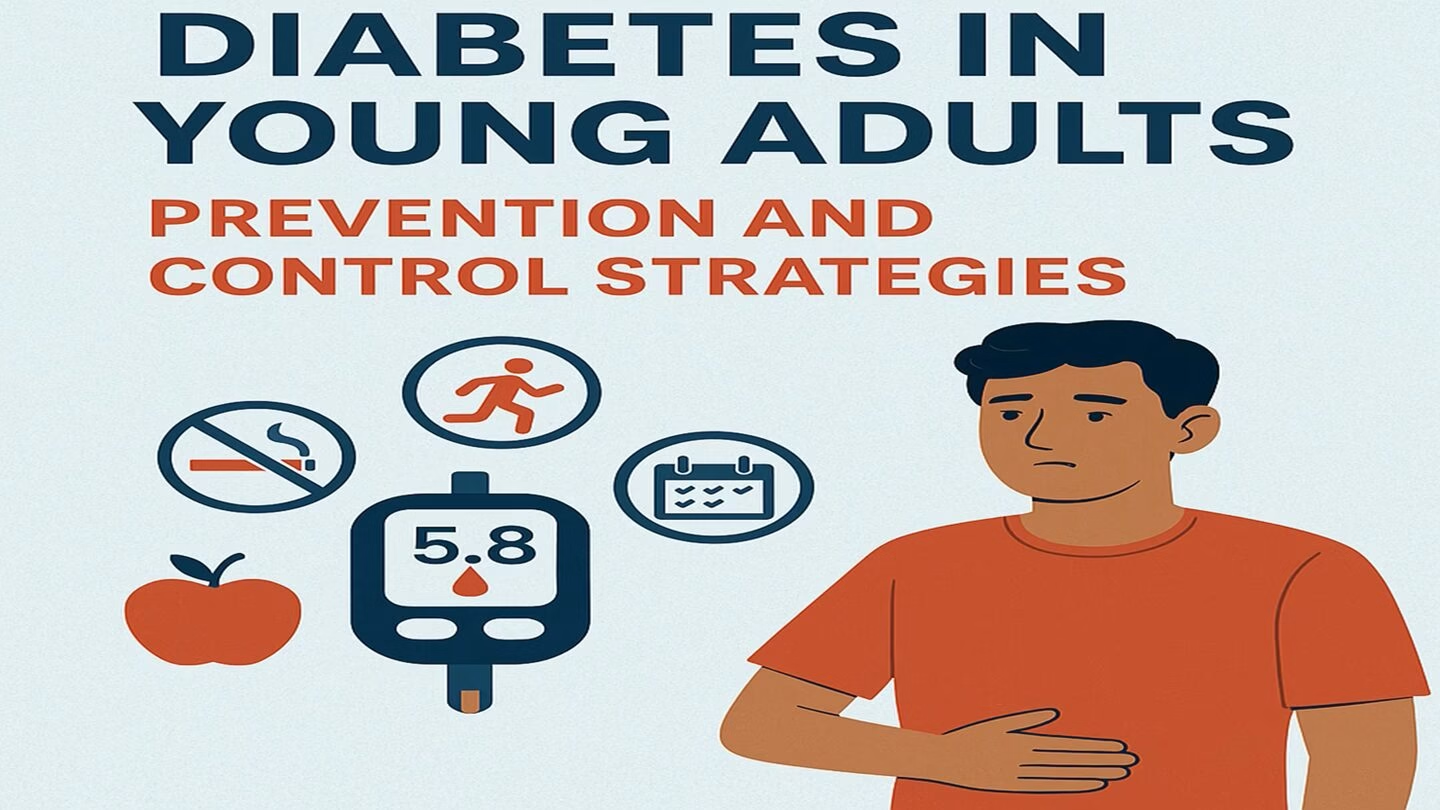
🛡️ Prevention Strategies That Work
🥗 1. Adopt a Balanced Diet
A diabetes-preventive diet includes:
- Whole grains instead of refined carbohydrates
- Lean proteins such as fish, eggs, legumes, and poultry
- Healthy fats from nuts, seeds, and olive oil
- Plenty of vegetables and high-fiber fruits
- Reduced intake of sugary drinks and fast food
Balanced meals help stabilize blood sugar and improve insulin sensitivity.
🏃♂️ 2. Stay Physically Active
Regular exercise:
- Improves insulin sensitivity
- Helps maintain a healthy weight
- Reduces blood sugar spikes
Aim for at least 150 minutes of moderate physical activity per week, including both aerobic and strength-based exercises.
⚖️ 3. Manage Weight Early
Excess body fat, particularly around the waist, significantly increases insulin resistance. Losing even 5–10% of body weight can substantially lower diabetes risk.
😌 4. Prioritize Sleep and Stress Control
- Aim for 7–9 hours of quality sleep
- Chronic stress increases cortisol, which raises blood sugar
- Mindfulness, relaxation techniques, and consistent routines help regulate hormones
🎯 Control Strategies for Young Adults with Diabetes
Being diagnosed with diabetes does not mean a reduced quality of life. With proper management, long-term health outcomes can be excellent.
🩸 1. Monitor Blood Sugar Regularly
Frequent monitoring helps:
- Understand how food and activity affect glucose levels
- Prevent dangerous highs and lows
- Improve long-term control
💊 2. Follow Prescribed Treatment
Depending on the type and severity:
- Oral medications may be required
- Insulin therapy may be necessary, especially in Type 1 diabetes
Medication adherence is essential to avoid complications.
🥙 3. Practice Smart Meal Planning
- Avoid skipping meals
- Balance carbohydrates with protein and fiber
- Keep healthy snacks available to prevent sudden sugar drops
🩺 4. Attend Routine Medical Check-Ups
Regular monitoring should include:
- HbA1c testing
- Blood pressure and cholesterol checks
- Eye, kidney, and nerve assessments
Early detection prevents long-term damage.
🧠 Mental Health and Lifestyle Sustainability
Managing diabetes at a young age can be emotionally challenging. Burnout, anxiety, and frustration are common but manageable.
Helpful strategies include:
- Diabetes education and self-awareness
- Support from family and peers
- Setting realistic and sustainable health goals
✅ Key Takeaways
- Diabetes in young adults is rising but largely preventable
- Early lifestyle changes have the greatest impact
- Consistent control prevents long-term complications
- Physical, mental, and emotional health must be addressed together
📣 Final Message
Diabetes does not define your future. With informed choices, consistent habits, and regular medical care, young adults can prevent diabetes or manage it effectively—protecting their health for years to come.
ABOUT THE AUTHOR
Dr. Abid Akram is a dedicated medical practitioner known for his patient-centered approach and strong clinical expertise. With an MBBS degree and years of hands-on experience, he has developed a keen interest in preventive healthcare and internal medicine. Dr. Abid firmly believes that health is not just about treating illness but about empowering individuals to make lifestyle choices that prevent disease and promote long-term well-being. His approachable personality and ability to explain complex medical concepts in simple terms make him a trusted doctor among his patients. Outside of his clinical practice, Dr. Abid contributes to community health awareness programs, aiming to bridge the gap between medical knowledge and everyday life.
- Dr. Abid Akram

- Dr. Abid Akram
- Dr. Abid Akram
- Dr. Abid Akram














Add comment