
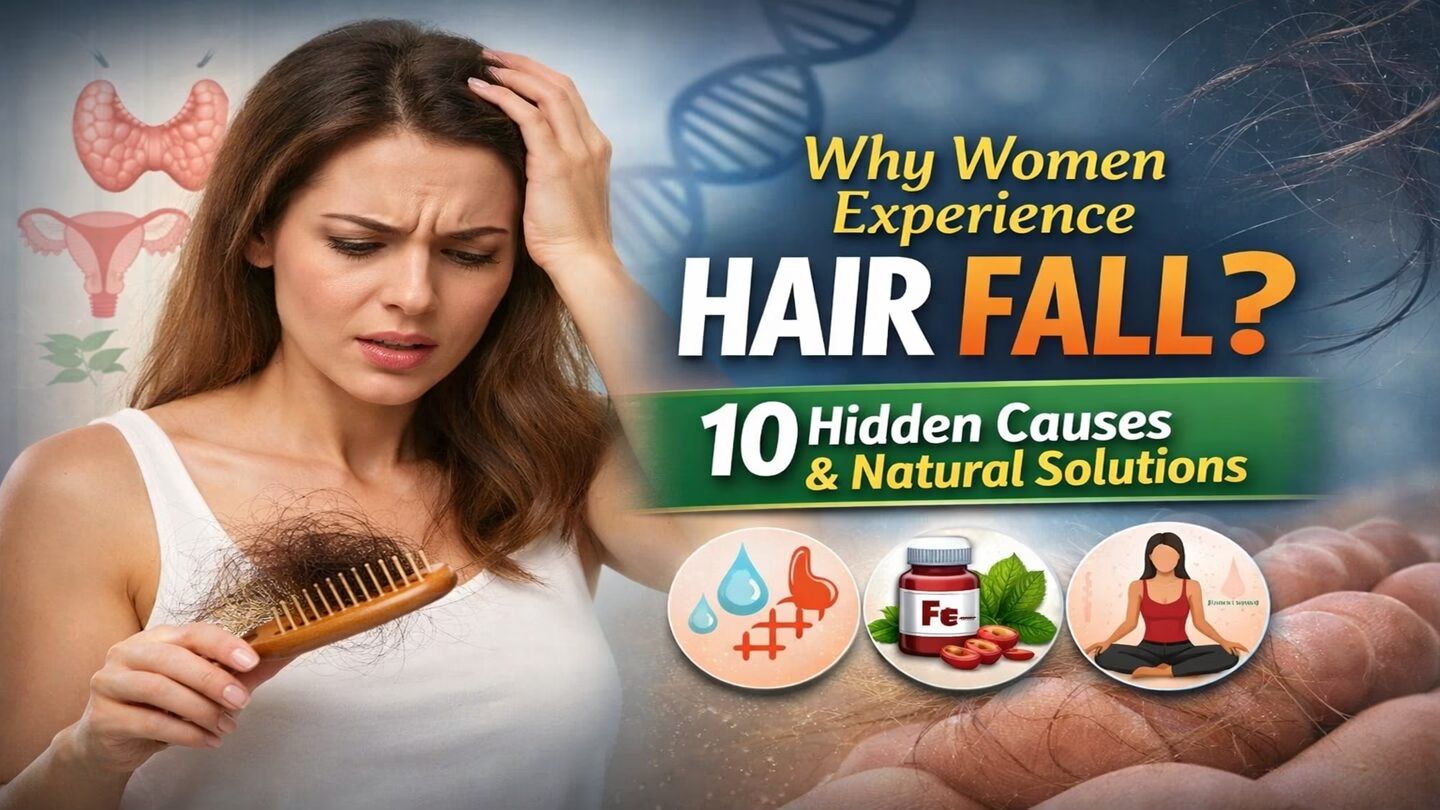
Hair fall in women is a common yet often distressing concern. While mild daily shedding is normal, persistent or excessive hair loss usually signals underlying physiological, hormonal, or lifestyle-related issues. Addressing the root cause—not just the symptom—is essential for effective and lasting improvement.
This comprehensive guide outlines the 10 hidden causes of hair fall in women and evidence-based, natural strategies to restore healthy hair growth.
🔬 Understanding Hair Growth Cycle
Hair growth occurs in three main phases:
- Anagen (Growth Phase): Active hair growth lasting 2–6 years
- Catagen (Transition Phase): Short phase where growth slows
- Telogen (Resting Phase): Hair sheds and new hair begins to grow
Disruptions in this cycle—especially a shift toward the telogen phase—lead to increased hair shedding.
⚠️ 10 Hidden Causes of Hair Fall in Women
1️⃣ Hormonal Imbalance
Conditions such as polycystic ovary syndrome (PCOS), thyroid disorders, and menopause can significantly disrupt hair growth cycles.
Clinical insight: Elevated androgens or reduced thyroid hormones impair follicular function.
Management:
- Hormonal evaluation (TSH, LH/FSH, androgens)
- Weight optimization
- Omega-3 and anti-inflammatory diet
2️⃣ Iron Deficiency (Anemia)
Iron plays a key role in oxygen transport to hair follicles. Deficiency leads to diffuse hair thinning.
Common signs: Fatigue, pallor, brittle nails
Management:
- Iron-rich diet (leafy greens, legumes, lean meats)
- Combine with vitamin C to enhance absorption
3️⃣ Chronic Stress
Psychological or physical stress can trigger telogen effluvium, causing sudden and noticeable hair shedding.
Mechanism: Stress hormones push hair prematurely into the resting phase.
Management:
- Mindfulness, yoga, meditation
- Adequate sleep (7–8 hours)
- Stress reduction strategies
4️⃣ Nutritional Deficiencies
Hair is protein-based; deficiencies in protein, biotin, zinc, and vitamins (B12, D) weaken hair structure.
Management:
- Balanced, protein-rich diet
- Consider supplementation if clinically indicated
5️⃣ Postpartum Hair Loss
After childbirth, estrogen levels decline sharply, resulting in temporary hair shedding.
Prognosis: Typically self-limiting within 6–12 months
Management:
- Nutritional support
- Gentle hair care practices
6️⃣ Excessive Heat and Styling
Frequent use of straighteners, curlers, and tight hairstyles can cause traction alopecia and hair shaft damage.
Management:
- Limit heat exposure
- Avoid tight hairstyles
- Use protective serums
7️⃣ Scalp Conditions (Dandruff, Infections)
An unhealthy scalp environment—due to dandruff, fungal infections, or inflammation—weakens hair roots.
Management:
- Medicated or anti-dandruff shampoos
- Maintain scalp hygiene
- Dermatological consultation if persistent
8️⃣ Crash Dieting & Rapid Weight Loss
Sudden caloric restriction deprives the body of essential nutrients, disrupting hair growth.
Management:
- Avoid extreme diets
- Focus on gradual, sustainable weight loss
9️⃣ Medications & Medical Conditions
Certain medications (e.g., antidepressants, antihypertensives) and chronic illnesses can induce hair loss.
Management:
- Review medications with a physician
- Explore alternative options when appropriate
🔟 Genetic Factors (Female Pattern Hair Loss)
Also known as androgenetic alopecia, this condition leads to gradual thinning, particularly over the crown.
Management:
- Early diagnosis improves outcomes
- Medical therapies may be required in advanced cases
🌱 Natural Strategies to Reduce Hair Fall
🥗 Optimize Nutrition
- Increase protein intake
- Ensure adequate iron, zinc, and biotin
- Maintain hydration
💆♀️ Scalp Care
- Regular oil massage (coconut, castor oil)
- Use mild, sulfate-free shampoos
🧘 Lifestyle Modifications
- Stress management techniques
- Regular physical activity
- Consistent sleep schedule
🌿 Evidence-Based Home Remedies
- Aloe vera: Soothes scalp inflammation
- Onion juice: May improve circulation
- Fenugreek (methi): Strengthens hair roots
🚨 When to Seek Medical Advice
Consult a healthcare professional if you notice:
- Sudden or severe hair loss
- Patchy bald areas
- Associated systemic symptoms (fatigue, hormonal irregularities)
🧠 Key Takeaway
Hair fall in women is typically multifactorial, involving a combination of hormonal, nutritional, and lifestyle elements. A targeted approach that addresses the underlying cause—along with consistent natural care—yields the best long-term results.
ABOUT THE AUTHOR
Dr. Nora West is a highly skilled MBBS doctor with a special interest in women’s health and patient education. She is dedicated to providing compassionate care and believes in building strong doctor–patient relationships based on trust and understanding. Dr. Nora focuses on empowering her patients with the knowledge they need to make informed decisions about their health. She is particularly passionate about preventive medicine, nutrition, and lifestyle interventions that can significantly improve quality of life. Known for her warmth and professionalism, Dr. Nora combines evidence-based medicine with a personalized approach, ensuring every patient feels supported on their journey to better health.
- Dr. Nora West

- Dr. Nora West

- Dr. Nora West

- Dr. Nora West









Add comment