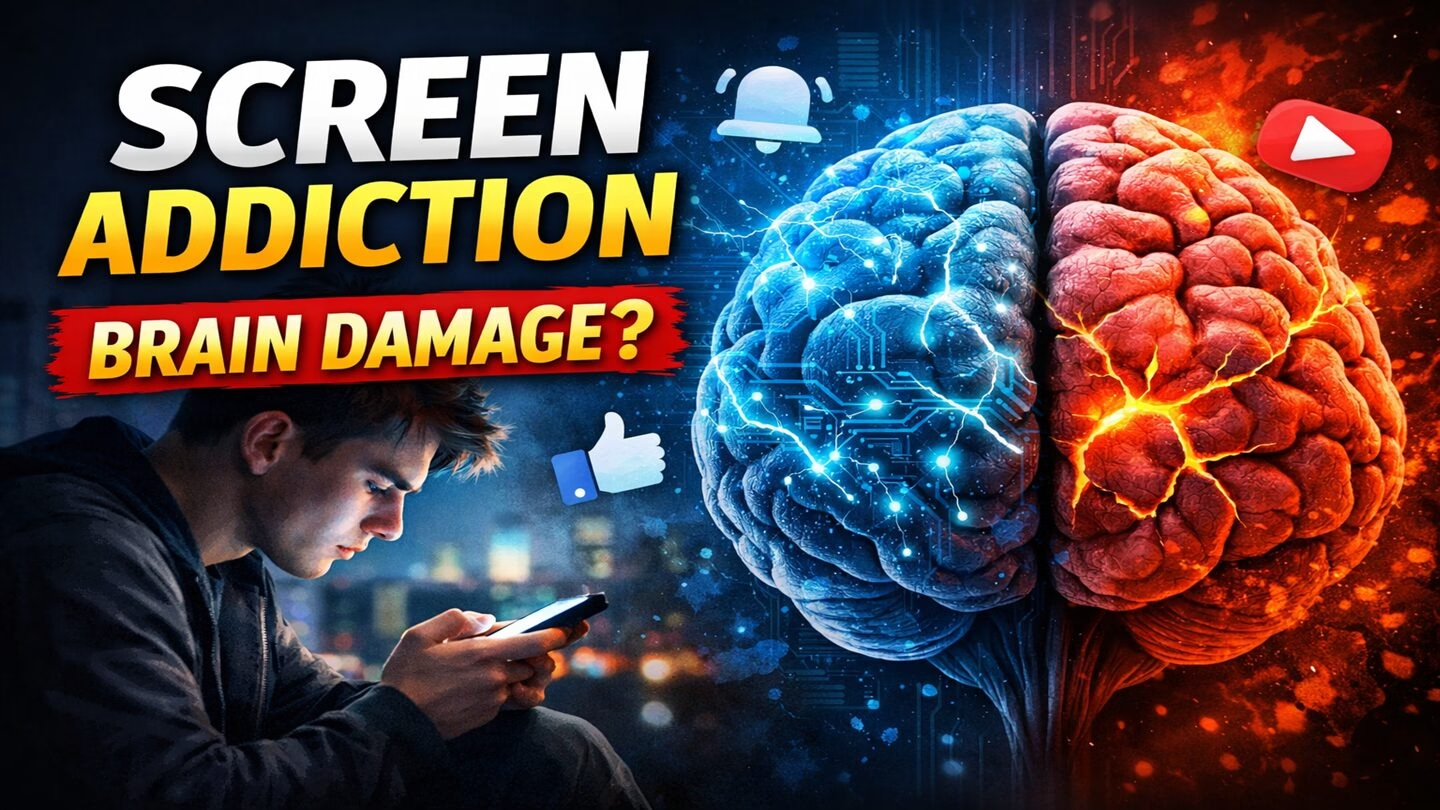
In today’s digital world, screens are everywhere—phones, tablets, laptops, TVs. While technology has transformed our lives, excessive screen use is now being linked to measurable changes in brain function and mental health.
But is “screen addiction” real?
And what does science actually say about its effects on the brain?
Let’s break it down clearly.
🧠 What Is Screen Addiction?
Screen addiction (or digital addiction) is a behavioral dependency where a person feels compelled to use digital devices excessively—often at the cost of sleep, productivity, and mental health.
🔹 Common forms include:
- Social media scrolling
- Gaming addiction
- Binge-watching
- Short-form video consumption (Reels, TikTok)
👉 The key issue is loss of control, not just usage time.
⚡ The Brain Science: Dopamine & Reward System
Your brain is wired to seek pleasure and reward.
📌 When you use screens:
- Likes 👍, notifications 🔔, and videos 🎥 trigger dopamine release
- Dopamine reinforces behavior → “Do this again”
👉 This creates a reward loop similar to addiction
Research shows:
- Screen use activates the brain’s reward pathways
- Repeated stimulation can desensitize dopamine response
- More screen time → more stimulation needed → addictive cycle
🧠 Some studies even compare this pattern to substance addiction mechanisms
🔁 How Screen Addiction Rewires the Brain
1. 🎯 Reduced Attention & Focus
- Fast, short content trains the brain for instant gratification
- Leads to:
- Short attention span
- Difficulty concentrating
📊 Research shows weakened inhibitory control systems in high screen users
2. 🧩 Impaired Executive Function
The prefrontal cortex (decision-making center) is affected.
Effects include:
- Poor decision-making
- Reduced self-control
- Increased impulsivity
📌 This region is consistently impacted in digital addiction studies
3. 😟 Mental Health Impact
Excessive screen time is linked with:
- Anxiety 😰
- Depression 😔
- Social isolation
📊 Studies show:
- 4 hours/day screen time → higher depression risk
- Increased stress and anxiety with prolonged use
4. 😴 Sleep Disruption
Screens—especially at night—affect sleep through:
- Blue light exposure
- Constant mental stimulation
📌 Result:
- Poor sleep quality
- Insomnia
- Daytime fatigue
📊 Evidence:
- Higher screen time linked to worse sleep quality
5. 🧠 Structural & Functional Brain Changes
Emerging research shows:
- Changes in brain connectivity
- Altered reward and emotional circuits
📊 Example:
- Increased screen use → weaker brain connections in control circuits
- Structural changes in areas controlling emotion and cognition
🔄 The “Dopamine Loop” Explained Simply
📱 You scroll →
🔔 Get reward (likes, video, win) →
🧠 Dopamine spike →
🔁 Repeat behavior →
📉 Brain becomes less sensitive →
➡️ You need MORE screen time
👉 This is the core of screen addiction.
⚠️ “Brain Rot” – A Modern Concern
A newer concept describes the effects of excessive digital stimulation:
🧠 “Brain rot” includes:
- Mental fatigue
- Reduced deep thinking
- Emotional numbness
📊 Linked to:
- Overuse of social media
- Constant content consumption
- Cognitive overload
👶 Why Children & Teens Are More Vulnerable
The developing brain is highly sensitive.
Risks include:
- Delayed cognitive development
- Poor impulse control
- Behavioral issues
📊 Evidence:
- Higher screen time → weaker brain development pathways
👉 Early habits can shape lifelong brain function.
⚖️ Is All Screen Time Bad?
No.
🟢 Healthy use:
- Educational content
- Skill development
- Communication
🔴 Harmful use:
- Passive scrolling
- Excessive gaming
- Night-time usage
👉 The issue is how and how much, not just screens themselves.
🛠️ How to Protect Your Brain (Evidence-Based)
✅ 1. Set Screen Limits
- Adults: Aim < 2–3 hours recreational use
- Kids: Follow age-based guidelines
✅ 2. Use “Dopamine Balance”
Replace quick rewards with:
- Exercise 🏃
- Reading 📚
- Social interaction 👥
✅ 3. Avoid Screens Before Bed
- Stop screens 60 minutes before sleep
- Improves memory & brain recovery
✅ 4. Practice “Deep Work”
Train your brain:
- Focused tasks
- No multitasking
✅ 5. Digital Detox (Weekly)
- 1 day/week reduced screen use
- Helps reset dopamine sensitivity
🧠 Final Takeaway
Screen addiction is not just a habit—it’s a brain-level change.
👉 Science shows it can:
- Rewire reward pathways
- Reduce focus
- Affect mental health
- Disrupt sleep
But the good news?
✔ The brain is adaptable
✔ Healthy habits can reverse many effects
📢 Bottom Line
📱 Screens are powerful tools
🧠 But your brain is even more powerful
👉 Use technology — don’t let it use you.
ABOUT THE AUTHOR
Dr. Alex Sam is a passionate healthcare professional with an MBBS and MRCGP degree and a strong commitment to modern medicine. Known for his empathetic approach, he emphasizes listening to his patients and understanding their unique health concerns before offering treatment. His areas of focus include family medicine and general health management, where he strives to provide holistic care that improves both physical and mental well-being. Dr. Alex is also a strong advocate for preventive screenings and early detection of diseases, ensuring his patients maintain healthier lives. With a calm demeanor and deep medical insight, he has earned the trust of both his patients and peers in the medical community.
- Dr. Alex Sam

- Dr. Alex Sam

- Dr. Alex Sam
- Dr. Alex Sam











Add comment