
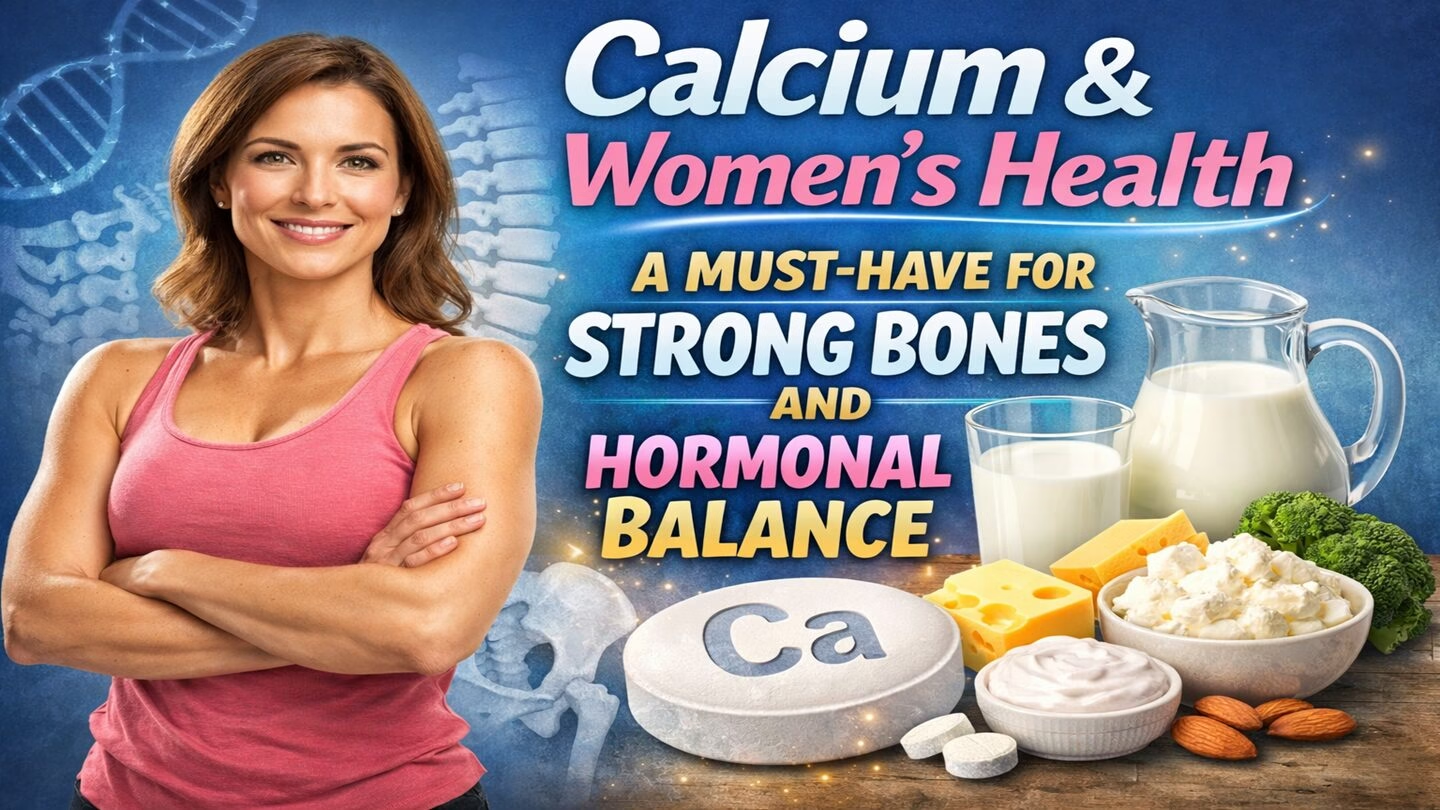
Calcium is one of the most crucial minerals for women’s health, yet most women unknowingly fall short of their daily requirement. Beyond building bones, calcium plays a vital role in muscle function, nerve signaling, hormonal balance, metabolism, and reproductive health.
This guide explains why calcium matters, how much women need, signs of deficiency, and the best ways to meet your daily intake — naturally and safely.
🌟 Why Calcium Is So Important for Women
Women experience major hormonal changes throughout life — puberty, pregnancy, breastfeeding, perimenopause, and menopause. These shifts affect how the body absorbs, stores, and uses calcium.
Key roles of calcium in a woman’s body:
- 🦴 Builds and protects bones — 99% of calcium is stored in bones; low levels cause the body to pull calcium from bones → weakening them.
- 💪 Supports muscle functioning — including the heart.
- ⚡ Helps nerve transmission — essential for brain-body communication.
- 🩸 Aids blood clotting — prevents excessive bleeding.
- 🌙 Regulates sleep and mood — calcium helps produce melatonin.
- ⚖️ Supports hormonal balance — especially estrogen and parathyroid hormones.
- 🤰 Crucial in pregnancy — for fetal bone development and preventing bone loss in mothers.
⚠️ Calcium Deficiency in Women: A Silent Problem
Women are more prone to calcium deficiency due to:
- Lower bone mass than men
- Pregnancy & breastfeeding demands
- Menopause-related estrogen drop
- Diet patterns (low-dairy, vegan diets, fasting habits)
Common signs of calcium deficiency
- 🦵 Leg cramps
- 💅 Brittle nails
- 😴 Fatigue
- 😖 Muscle aches
- 🦷 Tooth decay
- ❤️ Irregular heartbeat (in severe cases)
Ignoring these signs increases the risk of osteopenia, osteoporosis, hormonal imbalances, and fractures later in life.
🧬 Calcium & Hormonal Balance in Women
Many women don’t realize calcium has a direct link with hormones.
How calcium supports hormonal health
- 💧 Estrogen helps absorb calcium, so deficiency increases bone loss after menopause.
- 🧠 Calcium impacts neurotransmitters, affecting mood, anxiety, PMS symptoms.
- 🌙 Calcium improves sleep quality by helping produce melatonin.
- 🤱 During pregnancy, calcium supports fetal bone development and regulates maternal hormones.
- 🩺 Parathyroid hormones regulate calcium levels; deficiency can cause hormonal disruptions.
A balanced calcium level = stable hormones + stronger bones + better mood + healthier metabolism.
📊 How Much Calcium Do Women Need Daily?
Recommended Daily Intake
- Teen girls (9–18 years): 1,300 mg/day
- Adult women (19–50 years): 1,000 mg/day
- Pregnant & breastfeeding women: 1,000–1,300 mg/day
- Women 50+ (menopause): 1,200 mg/day
Women after 50 need more calcium because estrogen drops, accelerating bone loss.
🥗 Best Natural Sources of Calcium
Aim to get calcium from food first, then supplements if necessary.
🧀 Dairy Sources
- Milk
- Yogurt
- Cheese
- Fortified dairy products
🥬 Non-Dairy Sources
- Green leafy vegetables (kale, spinach, bok choy)
- Broccoli
- Almonds
- Sesame seeds / tahini
- Tofu (calcium-set)
- Beans & lentils
- Chia seeds
- Sardines & salmon with bones
- Fortified plant milks
Tip: Vitamin D is essential for calcium absorption — spend 10–20 minutes in sunlight daily.
💊 Should Women Take Calcium Supplements?
Food is always first, but supplements may be needed if you:
- Don’t consume enough dairy
- Have lactose intolerance
- Follow vegan diets
- Have low vitamin D levels
- Are pregnant or breastfeeding
- Are over 50
Types of calcium supplements
- Calcium carbonate — take with meals
- Calcium citrate — best absorbed, even on an empty stomach
Never exceed 500–600 mg in one dose; the body cannot absorb more at once.
🚫 Signs You’re Taking Too Much Calcium
Excess supplementation can cause:
- Constipation
- Kidney stones
- Abdominal pain
- Irregular heartbeat (rare but serious)
Always consult a healthcare provider before starting supplements.
🛡️ Calcium + Vitamin D + Magnesium = The Perfect Trio
For best absorption and bone strength, calcium should be paired with:
- Vitamin D (helps absorb calcium)
- Magnesium (helps utilize calcium)
- Vitamin K2 (helps deposit calcium in bones, not arteries)
Together, they improve bone health, hormonal balance, and overall wellness.
💃 Lifestyle Tips to Boost Calcium Levels
- ☀️ Get sunlight regularly
- 🏃♀️ Do weight-bearing exercises (walking, jogging, skipping rope)
- 💧 Stay hydrated
- 🥗 Eat a balanced diet with calcium-rich foods
- 🚭 Avoid smoking & limit excessive caffeine
- 🧘♀️ Manage stress — cortisol can weaken bones
🎯 Final Thoughts
Calcium is not just a “bone nutrient.” It’s a power mineral for women, impacting hormones, mood, metabolism, fertility, and long-term mobility.
Every woman — from teenage years to menopause — should actively maintain healthy calcium levels to stay strong, energized, and balanced.
ABOUT THE AUTHOR
Dr. Nora West is a highly skilled MBBS doctor with a special interest in women’s health and patient education. She is dedicated to providing compassionate care and believes in building strong doctor–patient relationships based on trust and understanding. Dr. Nora focuses on empowering her patients with the knowledge they need to make informed decisions about their health. She is particularly passionate about preventive medicine, nutrition, and lifestyle interventions that can significantly improve quality of life. Known for her warmth and professionalism, Dr. Nora combines evidence-based medicine with a personalized approach, ensuring every patient feels supported on their journey to better health.
- Dr. Nora West
- Dr. Nora West

- Dr. Nora West
- Dr. Nora West










Add comment