
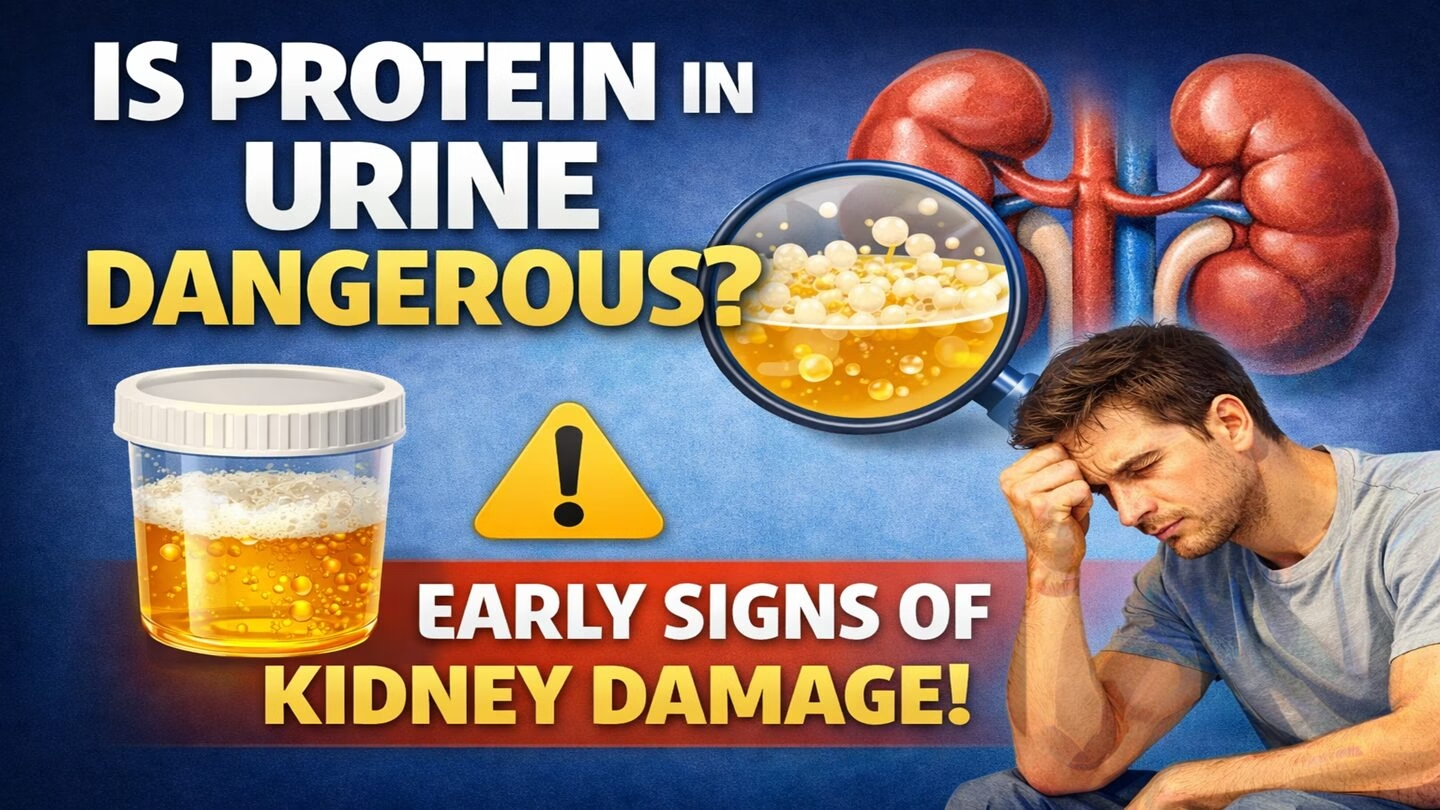
Early Signs of Kidney Damage You Shouldn’t Ignore
Protein in urine, medically called proteinuria, is often an early warning sign that your kidneys may not be working properly. While small amounts of protein in urine can sometimes be harmless and temporary, persistent proteinuria should never be ignored.
This article explains what protein in urine means, why it happens, early warning signs, and when to seek medical help—in simple, practical terms.
🧬 What Is Proteinuria?
Normally, your kidneys act as filters, keeping essential proteins in the blood while removing waste through urine.
👉 Proteinuria occurs when these filters are damaged or stressed, allowing protein (especially albumin) to leak into the urine.
Small, temporary leaks can happen—but ongoing protein loss is a red flag for kidney damage.
⚠️ Is Protein in Urine Dangerous?
✔️ Sometimes NO
❌ Often YES — if it persists
Protein in urine becomes dangerous when:
- It is persistent
- It is associated with high blood pressure or diabetes
- It occurs with swelling or fatigue
- It increases over time
🚨 Untreated proteinuria can lead to chronic kidney disease (CKD) and even kidney failure.
🚩 Early Signs of Kidney Damage You Shouldn’t Ignore
🫧 1. Foamy or Bubbly Urine
Excessive foam in urine—especially if it happens regularly—can indicate protein leakage.
🦶 2. Swelling (Edema)
Protein loss causes fluid to leak into tissues, leading to swelling in:
- Feet
- Ankles
- Legs
- Face or eyelids
💉 3. High Blood Pressure
Kidney damage and high blood pressure worsen each other, creating a dangerous cycle.
😴 4. Fatigue and Weakness
Loss of protein reduces blood volume and oxygen delivery, causing:
- Persistent tiredness
- Low energy
- Poor concentration
🚽 5. Changes in Urination
Watch for:
- Frequent urination at night
- Reduced urine output
- Dark or cloudy urine
🧪 Common Causes of Protein in Urine
🩹 Temporary (Usually Harmless)
- Fever
- Dehydration
- Intense exercise
- Stress
- Standing for long periods (orthostatic proteinuria)
⚠️ Persistent (Concerning)
- Diabetes
- High blood pressure
- Chronic kidney disease
- Glomerulonephritis
- Kidney infections
- Preeclampsia (in pregnancy)
🔬 How Is Proteinuria Diagnosed?
Doctors may use:
🧫 Urine Dipstick Test – quick screening
📊 Albumin-to-Creatinine Ratio (ACR) – accurate early detection
🧴 24-Hour Urine Test – measures total protein loss
📌 Persistent proteinuria usually requires repeat testing and monitoring.
🔄 Can Proteinuria Be Reversed?
✅ YES — if detected early
Treatment depends on the cause but often includes:
- 🩺 Blood pressure control
- 💊 ACE inhibitors or ARBs
- 🧂 Reduced salt intake
- 🍽️ Balanced protein intake
- 🏃 Lifestyle changes (weight control, exercise)
- 🩸 Good blood sugar control in diabetics
⏳ Early intervention can slow or even stop kidney damage.
🚨 When Should You See a Doctor?
Seek medical advice if:
- Protein in urine persists on repeat tests
- You notice swelling or foamy urine
- You have diabetes or high blood pressure
- Proteinuria occurs during pregnancy
🛑 Do not wait for symptoms—kidney disease often progresses silently.
🧠 Key Takeaway
✔️ Protein in urine is not always dangerous, but
❌ persistent proteinuria is an early and serious warning sign
🛡️ Early detection saves kidneys—simple urine tests can prevent lifelong complications.
ABOUT THE AUTHOR
Dr. Alex Sam is a passionate healthcare professional with an MBBS and MRCGP degree and a strong commitment to modern medicine. Known for his empathetic approach, he emphasizes listening to his patients and understanding their unique health concerns before offering treatment. His areas of focus include family medicine and general health management, where he strives to provide holistic care that improves both physical and mental well-being. Dr. Alex is also a strong advocate for preventive screenings and early detection of diseases, ensuring his patients maintain healthier lives. With a calm demeanor and deep medical insight, he has earned the trust of both his patients and peers in the medical community.
- Dr. Alex Sam

- Dr. Alex Sam

- Dr. Alex Sam

- Dr. Alex Sam













Add comment