
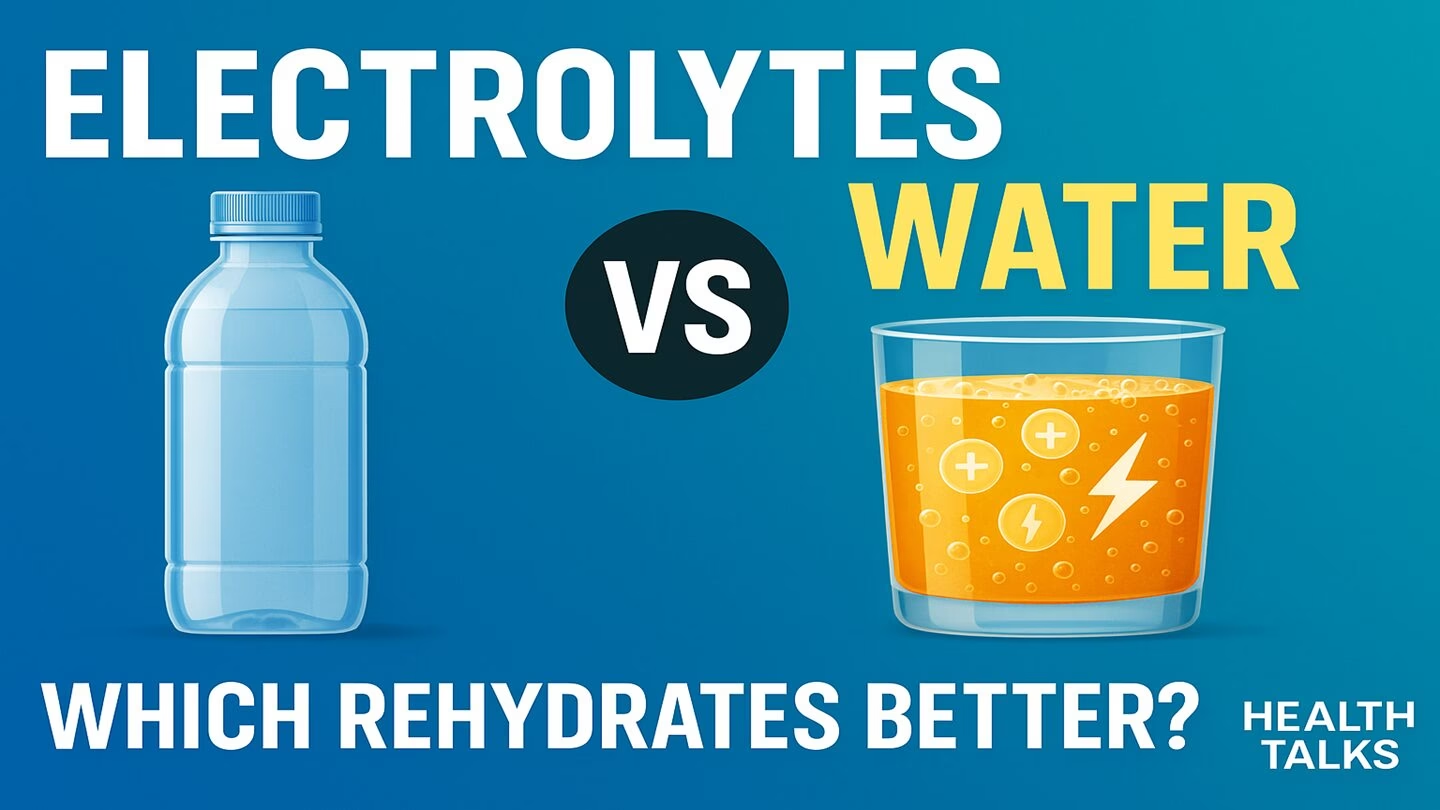
Rehydration is often oversimplified as “just drink more water.” While water is essential, optimal hydration—especially during illness, intense physical activity, heat exposure, or prolonged sweating—depends on more than fluid alone. Electrolytes play a critical physiological role in how effectively the body absorbs and retains fluids. Understanding when water is sufficient and when electrolytes are necessary can significantly improve hydration outcomes.
What Happens During Dehydration?
Dehydration occurs when fluid losses exceed intake. This loss is not limited to water; it also includes essential minerals—electrolytes—that regulate fluid balance, nerve conduction, muscle contraction, and cardiovascular stability.
Common causes include:
- Excessive sweating (exercise, heat exposure)
- Gastrointestinal losses (vomiting, diarrhea)
- Fever or infection
- Inadequate fluid intake
- Diuretic use (including caffeine and alcohol)
When both water and electrolytes are depleted, simply replacing fluid may not fully restore hydration.
Water: The Foundation of Hydration
How Water Rehydrates
Water replenishes intracellular and extracellular fluid compartments, supports circulation, aids temperature regulation, and facilitates metabolic processes.
When Water Alone Is Enough
Water is generally sufficient for:
- Mild dehydration
- Sedentary individuals
- Short-duration, low-intensity physical activity
- Normal daily hydration needs
- Cooler environments with minimal sweat loss
Limitations of Water
Water does not replace lost sodium, potassium, or other electrolytes. Excessive water intake without electrolyte replacement can dilute blood sodium levels, potentially leading to hyponatremia—particularly in endurance athletes or individuals sweating heavily.
Electrolytes: The Hydration Regulators
What Are Electrolytes?
Electrolytes are electrically charged minerals essential for physiological balance. Key electrolytes involved in hydration include:
- Sodium: Maintains fluid balance and blood pressure
- Potassium: Supports muscle and nerve function
- Chloride: Assists fluid regulation and digestion
- Magnesium: Aids muscle relaxation and energy metabolism
- Calcium: Supports muscle contraction and nerve signaling
How Electrolytes Improve Rehydration
Electrolytes enhance fluid absorption in the intestines and promote fluid retention in the bloodstream and cells. Sodium, in particular, facilitates water transport across cell membranes via active transport mechanisms.
When Electrolytes Are Necessary
Electrolyte-containing fluids are preferable when:
- Sweating is heavy or prolonged
- Exercise exceeds 60 minutes
- There is vomiting or diarrhea
- Rehydrating after illness or fever
- Exercising in hot or humid conditions
- Experiencing muscle cramps, dizziness, or fatigue related to fluid loss
Electrolytes vs. Water: A Practical Comparison
| Situation | Better Choice |
|---|---|
| Daily hydration, desk work | Water |
| Short, light exercise | Water |
| Intense workouts or endurance sports | Electrolytes |
| Heat exposure with sweating | Electrolytes |
| Gastrointestinal illness | Electrolytes |
| Post-illness recovery | Electrolytes |
| Children or elderly during dehydration risk | Electrolytes |
Are Sports Drinks Always a Good Option?
Not all electrolyte drinks are equal. Many commercial sports drinks contain high amounts of added sugar and artificial coloring.
What to Look For in an Electrolyte Drink
- Moderate sodium content (not zero)
- Low or no added sugar
- Presence of potassium and magnesium
- Clear labeling and minimal additives
For most adults, low-sugar electrolyte solutions or oral rehydration salts are more effective and safer than high-sugar sports beverages.
Can You Overdo Electrolytes?
Yes. Excessive electrolyte intake—especially sodium—can be harmful for individuals with hypertension, kidney disease, or heart conditions. Electrolyte supplementation should match actual fluid and mineral losses, not be consumed indiscriminately.
Final Verdict: What’s Better for Rehydration?
Water and electrolytes are not competitors; they are complementary.
- Water is ideal for everyday hydration and mild fluid loss.
- Electrolytes are essential when dehydration involves significant mineral loss.
The most effective rehydration strategy depends on activity level, environment, health status, and duration of fluid loss. Choosing the right option at the right time supports better performance, faster recovery, and overall health.
Key Takeaway
If you are sweating, sick, or physically active for extended periods, water alone may not be enough. Strategic electrolyte replacement can restore hydration more efficiently and prevent complications.
ABOUT THE AUTHOR
Dr. Alex Sam is a passionate healthcare professional with an MBBS and MRCGP degree and a strong commitment to modern medicine. Known for his empathetic approach, he emphasizes listening to his patients and understanding their unique health concerns before offering treatment. His areas of focus include family medicine and general health management, where he strives to provide holistic care that improves both physical and mental well-being. Dr. Alex is also a strong advocate for preventive screenings and early detection of diseases, ensuring his patients maintain healthier lives. With a calm demeanor and deep medical insight, he has earned the trust of both his patients and peers in the medical community.
- Dr. Alex Sam

- Dr. Alex Sam
- Dr. Alex Sam
- Dr. Alex Sam











Add comment