
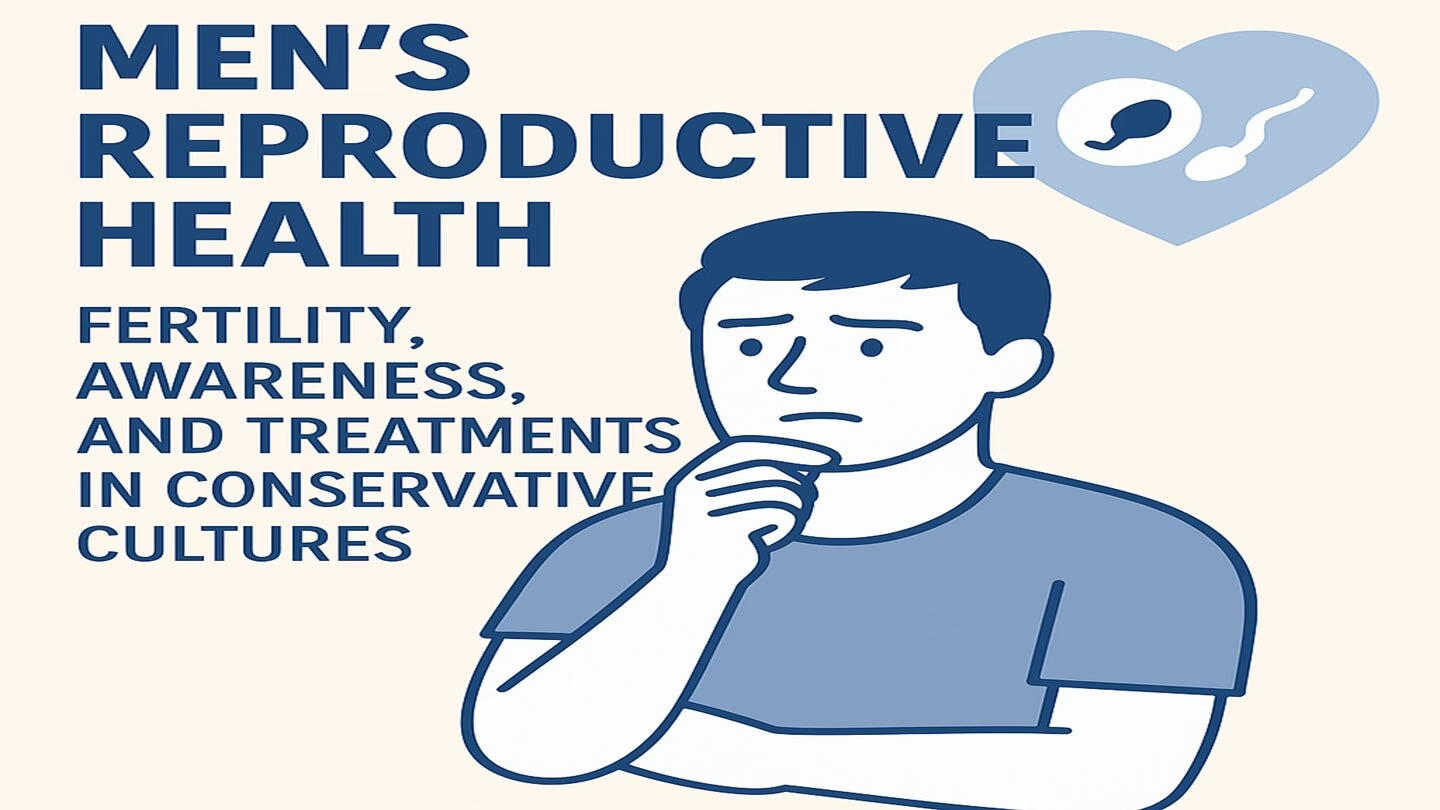
Men’s reproductive health is often discussed less openly than women’s health—especially in conservative cultures where topics about sex, fertility, and anatomy may be seen as private or taboo. The result is delayed care, persistent myths, and unnecessary strain on couples. This guide explains what affects male fertility, how to navigate stigma and privacy concerns, and what modern, culturally sensitive treatments look like.
Why male fertility matters
- Male factor is common. In couples facing infertility (no pregnancy after 12 months of regular, unprotected intercourse; 6 months if the woman is ≥35), a male factor is involved in about half of cases—either alone or combined with female factors.
- Early evaluation helps. Many causes are treatable with lifestyle changes, medication, minor procedures, or assisted reproductive technologies (ART).
- Shared responsibility. Framing fertility as a couple’s health issue reduces blame and encourages timely care.
Cultural barriers—and how to work around them
- Stigma & masculinity norms: Infertility may be seen as a “weakness,” deterring men from testing.
What helps: Private, respectful counseling; emphasizing fertility as a medical, not moral, issue. - Modesty and privacy: Hesitancy to provide semen samples or undergo genital exams.
What helps: Male clinicians when preferred, discreet sample-collection rooms, at-home collection where permitted (timed delivery). - Misinformation: Myths about virility equating to fertility, or fear that tests/treatments harm masculinity.
What helps: Community education led by trusted clinicians or faith leaders; clear explanations of procedures and confidentiality. - Decision-making dynamics: In some settings, extended family may influence care.
What helps: Couple-centered counseling, options explained in plain language, and inclusion of religious/ethical guidance when relevant.
Common causes of male infertility
- Sperm production issues: Low count (oligozoospermia), poor movement (asthenozoospermia), abnormal shapes (teratozoospermia), or absent sperm (azoospermia).
- Varicocele: Enlarged scrotal veins that can impair sperm quality; often treatable.
- Hormonal disorders: Low testosterone from pituitary or testicular causes; thyroid and prolactin issues.
- Obstructions: Prior infections, congenital absence of vas deferens, or surgical scarring blocking sperm transport.
- Genetic factors: Y-chromosome microdeletions, Klinefelter syndrome, CFTR variants.
- Lifestyle & environmental: Smoking, vaping, excessive alcohol, anabolic steroids, cannabis, heat exposure (sauna/laptop on lap), obesity, poor sleep, chronic stress, occupational toxins.
- Medical conditions/medicines: Diabetes, STIs, mumps orchitis, chemotherapy, testosterone supplements, finasteride, some antidepressants and antihypertensives.
What evaluation looks like (discreet, step-wise)
- History & physical exam (male clinician available if preferred): Prior infections, surgeries, medications, sexual function, lifestyle, family history.
- Semen analysis (2 samples, 2–3 weeks apart): Collected after 2–7 days of abstinence. Key markers: volume, concentration, motility, morphology.
- Blood tests: Testosterone, LH/FSH, prolactin ± thyroid tests.
- Imaging when needed: Scrotal Doppler for varicocele; transrectal ultrasound for ejaculatory duct/seminal vesicle issues.
- Genetic tests: If azoospermia/severe oligozoospermia or congenital hints.
- Infection/sexual health screening: STIs can affect fertility and pregnancy outcomes.
When to seek help sooner: Known undescended testis history, chemo/radiation, erectile/ejaculatory dysfunction, painful/bulging scrotal veins, or if partner is ≥35.
Lifestyle changes with the biggest impact
- Weight & metabolism: Aim for a healthy BMI; manage diabetes/insulin resistance.
- Substances: Stop smoking/vaping; minimize alcohol; avoid anabolic steroids and recreational drugs.
- Heat & toxins: Keep laptops off lap, avoid hot tubs/saunas, use protective gear at work.
- Sleep & stress: 7–9 hours/night; stress-reduction (prayer/meditation, exercise, counseling) can improve hormones and intimacy.
- Nutrition & activity: Mediterranean-style diet (vegetables, fruits, whole grains, lean proteins, nuts, olive oil); regular moderate exercise.
- Supplements (only when appropriate): A tailored plan from a clinician may include antioxidants (e.g., CoQ10), vitamin D if deficient, or others—avoid megadoses and unverified blends.
Medical and procedural treatments
- Varicocele repair (varicocelectomy): Can improve count/motility and natural conception rates in selected men.
- Hormonal therapies: For hypogonadotropic hypogonadism (e.g., hCG/FSH). Avoid exogenous testosterone for fertility—it suppresses sperm production.
- Treat infections & address ejaculatory issues: Antibiotics for symptomatic infections; counseling or medications/devices for erectile/ejaculatory dysfunction.
- Surgical sperm retrieval: TESE/micro-TESE or PESA/TESA for obstructive azoospermia or selected non-obstructive cases—often paired with ICSI.
- Assisted reproductive technologies (ART):
- IUI (intrauterine insemination): Washed sperm placed in uterus; useful for mild male factor.
- IVF (in vitro fertilization): Eggs fertilized in lab.
- ICSI (intracytoplasmic sperm injection): A single sperm injected into an egg—standard for severe male factor or after surgical retrieval.
Navigating ethics, religion, and confidentiality
- Confidential care: Clinics can ensure male staff when requested, private sample rooms, and discreet billing/communication.
- Religious guidance: Many couples in conservative settings seek rulings on ART. Some traditions accept IUI/IVF/ICSI using the married couple’s own gametes while prohibiting third-party donation or surrogacy; views vary by school and country. Engage a knowledgeable clinician and trusted faith authority together.
- Legal frameworks: Laws on donation, embryo storage, and genetic testing differ; always review local regulations before treatment.
Supporting communication within couples
- Use neutral language (“our fertility journey,” not “his/ her fault”).
- Set shared goals and timelines (e.g., 3–6 months of lifestyle optimization alongside medical workup).
- Protect intimacy: schedule intimacy around ovulation without making it feel purely “clinical.”
- Consider counseling if stress, shame, or family pressure is high.
Discreet care pathways (a pragmatic playbook)
- Start with a primary care or urology appointment that can be labeled “general checkup” on your calendar/receipt.
- Use clinics offering at-home semen collection kits or private, male-staffed rooms.
- Ask about male-only visit slots and separate waiting areas if that increases comfort.
- Request secure messaging/portals for results; limit SMS/voicemail details.
- If proceeding to ART, choose centers with clear religious/ethical policies and written consent flows aligned to your values.
Red flags—don’t delay
- Hard, painless testicular lump; sudden scrotal pain/swelling; breast enlargement; severe erectile dysfunction; very low libido; or systemic symptoms (fever, weight loss). These warrant prompt medical review.
FAQs
Does strong libido or normal erections mean I’m fertile?
No. Virility ≠ fertility. Only testing can assess sperm quality.
Can herbal or “male performance” pills fix fertility?
Unproven mixtures may be ineffective or harmful. Use clinician-guided therapies.
If semen analysis is abnormal, is there hope?
Often yes. Results can improve with time, lifestyle changes, or treatment—and ART options exist even with very low counts.
Take-home checklist
- ✅ Treat fertility as a shared, medical issue—not a reflection of worth.
- ✅ Get a basic evaluation after 12 months (or earlier with risk factors/age).
- ✅ Optimize sleep, weight, exercise, and substances; avoid heat/toxins.
- ✅ Discuss discreet testing options and male clinician preference if helpful.
- ✅ Align treatment with your ethical and legal boundaries; involve trusted faith counsel when desired.
Disclaimer: This article is for education, not a substitute for personal medical advice. If you’re concerned about fertility or symptoms, consult a qualified clinician.
ABOUT THE AUTHOR
Dr. Alex Sam is a passionate healthcare professional with an MBBS and MRCGP degree and a strong commitment to modern medicine. Known for his empathetic approach, he emphasizes listening to his patients and understanding their unique health concerns before offering treatment. His areas of focus include family medicine and general health management, where he strives to provide holistic care that improves both physical and mental well-being. Dr. Alex is also a strong advocate for preventive screenings and early detection of diseases, ensuring his patients maintain healthier lives. With a calm demeanor and deep medical insight, he has earned the trust of both his patients and peers in the medical community.
- Dr. Alex Sam

- Dr. Alex Sam
- Dr. Alex Sam
- Dr. Alex Sam







Add comment