
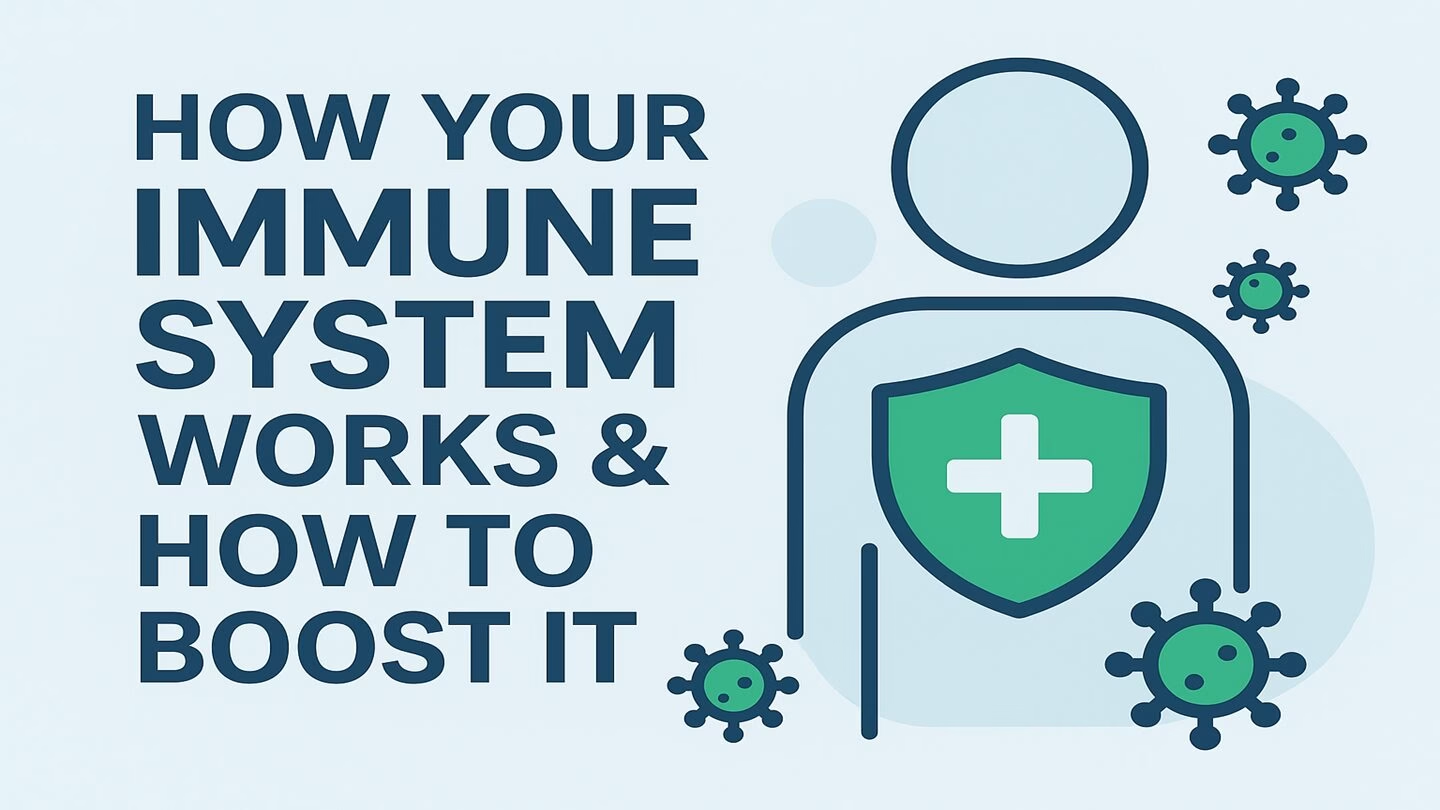
Your immune system is your body’s natural defense mechanism against harmful invaders such as viruses, bacteria, fungi, and toxins. Without it, even a simple cold could become life-threatening. Most people don’t think about their immune system until they get sick, but understanding how it works—and how to support it—can make a big difference in your overall health.
How the Immune System Works
The immune system is not a single organ but a complex network of cells, tissues, and organs working together to keep you healthy. It acts like an army, identifying and neutralizing threats before they cause harm. Here’s a breakdown of how it functions:
1. The First Line of Defense: The Innate Immune System
This is the body’s “frontline army” that responds immediately to threats. It includes physical barriers such as the skin, mucus in the respiratory tract, and stomach acid that kills harmful microbes. White blood cells called phagocytes patrol the body, swallowing up pathogens before they spread.
2. The Specialized Response: The Adaptive Immune System
If an invader manages to get past the frontline, the adaptive system kicks in. This response is slower but highly specific. It uses lymphocytes (B-cells and T-cells) to recognize particular pathogens and remember them for future encounters. This is why once you’ve had diseases like chickenpox, your body is usually immune to them.
3. Key Players in the Immune Army
- Bone marrow: Produces immune cells.
- Thymus: Trains T-cells to recognize threats.
- Lymph nodes: Act as filters, trapping pathogens.
- Spleen: Stores white blood cells and destroys old or damaged ones.
- Antibodies: Proteins made by B-cells that mark invaders for destruction.
Together, these components create a system that constantly monitors, detects, and eliminates threats—often without you even realizing it.
Factors That Weaken the Immune System
While your body’s defenses are strong, several factors can weaken them and make you more prone to illness:
- Poor diet lacking vitamins, minerals, and antioxidants.
- Lack of sleep, which lowers infection-fighting cell activity.
- Chronic stress, which releases cortisol and suppresses immune response.
- Sedentary lifestyle and minimal physical activity.
- Smoking and alcohol, which damage immune cells and tissues.
- Underlying conditions like diabetes, obesity, or autoimmune disorders.
How to Naturally Boost Your Immune System
The good news is that daily lifestyle choices can help strengthen immunity. While there’s no magic pill that guarantees you’ll never get sick, adopting healthy habits can keep your immune system resilient.
1. Eat a Nutrient-Rich Diet
Your immune system thrives on vitamins, minerals, and antioxidants found in whole foods.
- Vitamin C (oranges, strawberries, bell peppers) supports white blood cell function.
- Vitamin D (sunlight, fortified foods, fatty fish) helps regulate immune responses.
- Zinc (nuts, seeds, legumes) aids in wound healing and cell defense.
- Antioxidants (berries, spinach, green tea) reduce inflammation and cell damage.
Tip: Aim for a colorful plate—each color provides different nutrients.
2. Prioritize Quality Sleep
During sleep, your body releases infection-fighting cytokines. Adults need 7–9 hours of quality rest per night. Poor sleep not only weakens immunity but also increases your risk of chronic conditions.
3. Stay Physically Active
Moderate exercise like walking, cycling, or yoga boosts circulation and helps immune cells move efficiently throughout the body. However, excessive or intense exercise without recovery can have the opposite effect, temporarily lowering immunity.
4. Manage Stress Effectively
Chronic stress suppresses immune function. Incorporate stress-management techniques such as meditation, deep breathing, journaling, or spending time in nature. Even short daily practices can lower cortisol levels.
5. Stay Hydrated
Water is essential for transporting nutrients and flushing toxins. Dehydration makes it harder for your body to fight off illness. Aim for at least 8 glasses a day, adjusting for activity level and climate.
6. Limit Alcohol and Quit Smoking
Alcohol suppresses the production of immune cells, while smoking damages lung tissues and weakens defenses against respiratory infections. Cutting down or quitting has immediate immune benefits.
7. Keep Vaccinations Up to Date
Vaccines work by training your immune system to recognize and fight specific pathogens. Staying current on recommended vaccines is a powerful way to reduce the risk of preventable diseases.
Myths About Boosting Immunity
Many people turn to quick fixes and “miracle supplements,” but not all claims are backed by science. Here are some common myths:
- “Mega doses of vitamin C prevent colds.” While vitamin C supports immune function, high doses don’t guarantee you won’t get sick. They may, however, shorten the duration of illness.
- “Detox teas cleanse your immune system.” Your liver and kidneys naturally detox your body; no special teas are required.
- “Antibiotics boost immunity.” Antibiotics fight bacterial infections but don’t strengthen the immune system—and overuse can cause resistance.
When to Seek Medical Help
A strong immune system doesn’t mean you’ll never get sick. But if you notice frequent infections, delayed wound healing, or extreme fatigue, it may signal a weakened immune system. In such cases, consult a healthcare professional for proper evaluation.
Final Thoughts
Your immune system is a complex, hardworking guardian that protects you every day. While it’s impossible to control every factor, small lifestyle choices make a big difference in its effectiveness. By eating nutrient-dense foods, getting enough rest, staying active, and reducing stress, you give your body the tools it needs to defend itself naturally.
A healthy immune system won’t just protect you from colds and flu—it also supports long-term health, energy, and quality of life. Start nurturing it today, and your body will thank you tomorrow.
ABOUT THE AUTHOR
Dr. Nora West is a highly skilled MBBS doctor with a special interest in women’s health and patient education. She is dedicated to providing compassionate care and believes in building strong doctor–patient relationships based on trust and understanding. Dr. Nora focuses on empowering her patients with the knowledge they need to make informed decisions about their health. She is particularly passionate about preventive medicine, nutrition, and lifestyle interventions that can significantly improve quality of life. Known for her warmth and professionalism, Dr. Nora combines evidence-based medicine with a personalized approach, ensuring every patient feels supported on their journey to better health.
- Dr. Nora West
- Dr. Nora West

- Dr. Nora West
- Dr. Nora West







Add comment