Introduction
Cracked heels are a common foot condition that affects people of all ages. Although they often begin as a cosmetic concern, untreated heel cracks can become painful, bleed, and increase the risk of bacterial or fungal infections. Fortunately, most cases respond well to proper foot care, moisturizing, and lifestyle changes.
This guide explains the causes, symptoms, effective home remedies, medical treatments, and prevention strategies to help keep your feet soft, healthy, and pain-free.
What Are Cracked Heels?
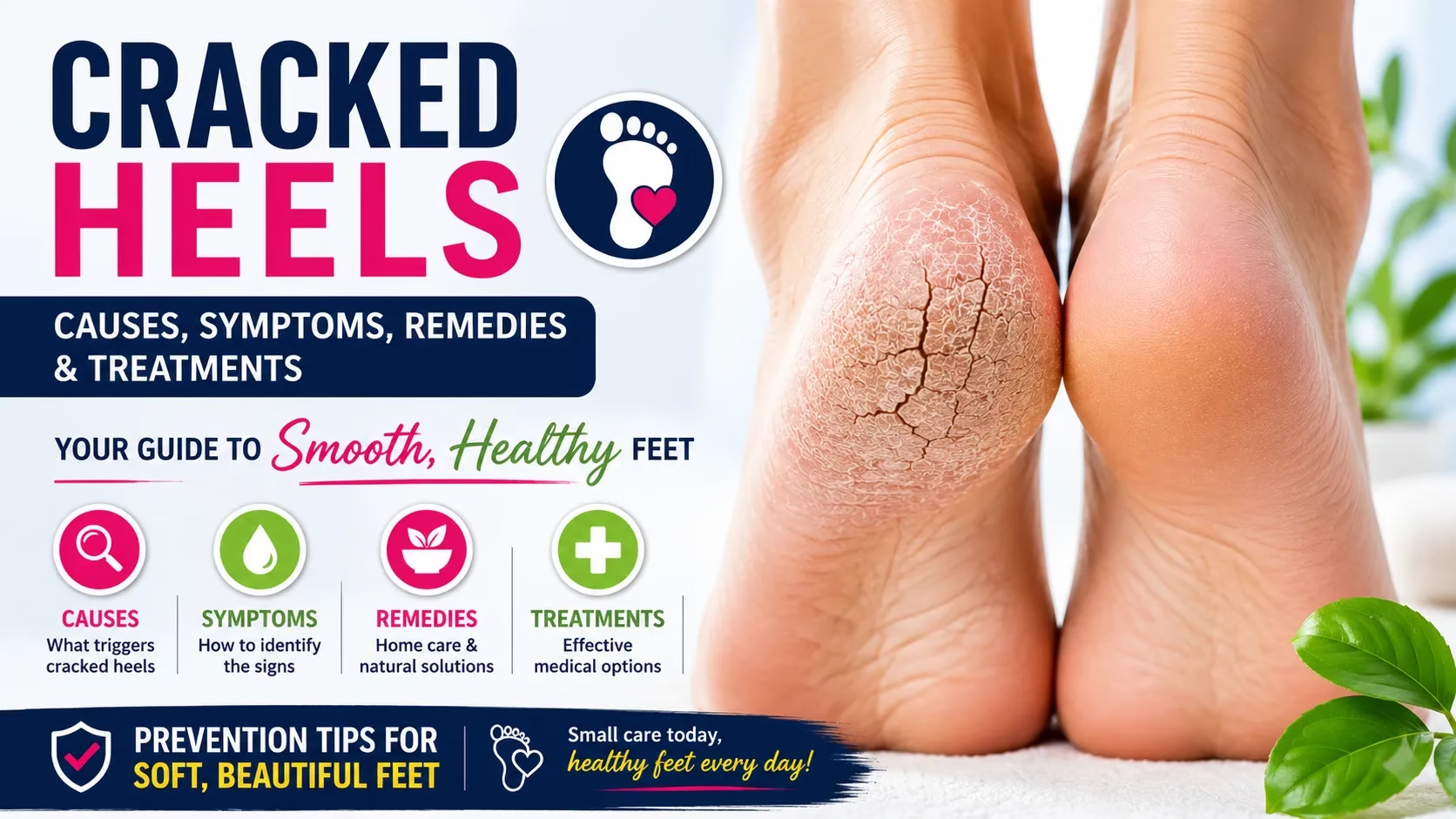
Cracked heels, also known medically as heel fissures, occur when the skin around the heel becomes excessively dry, thickened, and less elastic. As pressure is applied during standing or walking, the hardened skin splits, creating shallow or deep cracks.
Mild heel fissures may only cause rough, dry skin, while severe cases can result in painful cracks that bleed or become infected.
Symptoms of Cracked Heels
The symptoms can range from mild dryness to severe pain depending on the depth of the fissures.
Common signs include:
- Dry, rough, or flaky skin around the heels
- Thickened, hardened skin (calluses)
- Visible cracks or fissures
- White, yellow, or brown discoloration of thickened skin
- Itching or irritation
- Pain while standing or walking
- Bleeding from deep cracks
- Redness, swelling, or warmth if infection develops
What Causes Cracked Heels?
Several factors can contribute to cracked heels. In many cases, more than one cause is involved.
1. Dry Skin
Dry skin is the leading cause of cracked heels. Low humidity, cold weather, frequent bathing, and aging reduce the skin’s natural moisture, making it more likely to split.
2. Prolonged Standing
Standing for extended periods places continuous pressure on the heels, especially on hard surfaces, increasing the risk of fissures.
3. Open-Back Footwear
Sandals, flip-flops, and open-back shoes allow the heel to expand sideways while walking, placing additional stress on dry skin.
4. Excess Body Weight
Being overweight increases pressure on the heel pad, causing it to spread and crack more easily.
5. Poor Foot Care
Failing to moisturize or regularly remove thick, dead skin allows calluses to build up and eventually split.
6. Medical Conditions
Certain health conditions increase the likelihood of cracked heels, including:
- Diabetes mellitus
- Hypothyroidism
- Peripheral vascular disease
- Eczema
- Psoriasis
- Athlete’s foot (fungal infection)
- Sjögren syndrome and other conditions causing dry skin
Risk Factors
You may be more likely to develop cracked heels if you:
- Walk barefoot regularly
- Frequently wear sandals or flip-flops
- Have naturally dry skin
- Spend long hours standing at work
- Are older than 50 years
- Are overweight or obese
- Have diabetes or poor circulation
Home Remedies for Cracked Heels
Most mild to moderate cases can be treated successfully at home with consistent care.
Moisturize Twice Daily
Apply a thick moisturizer containing ingredients such as:
- Urea
- Glycerin
- Shea butter
- Ceramides
- Petroleum jelly
- Lanolin
For best results, apply immediately after bathing while the skin is still slightly damp.
Soak and Gently Exfoliate
Soak your feet in warm water for 10–15 minutes to soften hardened skin.
After soaking:
- Use a pumice stone or foot file gently.
- Avoid excessive scrubbing, which can worsen cracks.
- Pat feet dry before applying moisturizer.
Overnight Moisture Therapy
Before bedtime:
- Apply a thick layer of heel balm or petroleum jelly.
- Wear clean cotton socks overnight.
- Repeat nightly until the cracks improve.
Natural Remedies
Some natural ingredients may help moisturize the skin, although scientific evidence is limited.
Examples include:
- Coconut oil
- Aloe vera gel
- Honey
- Shea butter
- Olive oil
These remedies work best when used alongside regular moisturizing rather than as a replacement for medical treatments.
Stay Hydrated
Adequate water intake supports healthy skin and may help reduce dryness, although hydration alone will not heal cracked heels.
Medical Treatments
If home treatment is ineffective or cracks become severe, medical treatment may be necessary.
A healthcare professional may recommend:
- Prescription-strength urea creams
- Salicylic acid or lactic acid creams to soften thick skin
- Medical-grade heel balms
- Liquid skin protectants or liquid bandages
- Debridement (professional removal of thick callused skin)
- Antibiotics if a bacterial infection develops
- Antifungal medication for fungal infections
People with diabetes should never attempt to cut or shave thick skin at home because of the increased risk of injury and infection.
When Should You See a Doctor?
Seek medical attention if you experience:
- Deep or painful heel cracks
- Bleeding fissures
- Increasing redness or swelling
- Pus or foul-smelling discharge
- Fever or signs of spreading infection
- Persistent cracks despite two to three weeks of home treatment
People with diabetes, peripheral neuropathy, or poor circulation should consult a healthcare provider promptly, even for seemingly minor heel cracks.
How to Prevent Cracked Heels
Preventive foot care is the most effective way to keep heels healthy.
Follow these simple habits:
- Moisturize your feet every day.
- Wear supportive, well-fitting shoes with closed heels.
- Avoid walking barefoot on rough or hot surfaces.
- Use gentle, fragrance-free cleansers.
- Remove thick skin regularly with gentle exfoliation.
- Maintain a healthy body weight.
- Stay adequately hydrated.
- Wear cushioned socks to reduce friction and pressure.
Frequently Asked Questions
Can cracked heels heal on their own?
Mild cracked heels may improve with proper moisturizing and reduced pressure. More severe cracks usually require regular treatment and foot care.
Are cracked heels a sign of vitamin deficiency?
In some cases, deficiencies in vitamins such as vitamin A, vitamin E, zinc, or iron may contribute to dry skin. However, most cracked heels result from dry skin, excessive pressure, and environmental factors rather than nutritional deficiencies alone.
Is petroleum jelly good for cracked heels?
Yes. Petroleum jelly helps seal in moisture and is particularly effective when applied before bedtime and covered with cotton socks.
Can diabetes cause cracked heels?
Yes. Diabetes can reduce skin moisture, impair circulation, and delay wound healing, making heel fissures more common and increasing the risk of infection.
Key Takeaway
Cracked heels are a common condition that is often preventable and treatable with consistent foot care. Daily moisturizing, gentle exfoliation, supportive footwear, and addressing underlying medical conditions can significantly improve heel health.
If heel cracks become deep, painful, or show signs of infection, seek medical evaluation promptly. Early treatment can prevent complications and restore comfort, allowing you to stay active with healthy, well-cared-for feet.
ABOUT THE AUTHOR
Dr. Abid Akram is a dedicated medical practitioner known for his patient-centered approach and strong clinical expertise. With an MBBS degree and years of hands-on experience, he has developed a keen interest in preventive healthcare and internal medicine. Dr. Abid firmly believes that health is not just about treating illness but about empowering individuals to make lifestyle choices that prevent disease and promote long-term well-being. His approachable personality and ability to explain complex medical concepts in simple terms make him a trusted doctor among his patients. Outside of his clinical practice, Dr. Abid contributes to community health awareness programs, aiming to bridge the gap between medical knowledge and everyday life.
- Dr. Abid Akram

- Dr. Abid Akram

- Dr. Abid Akram

- Dr. Abid Akram