
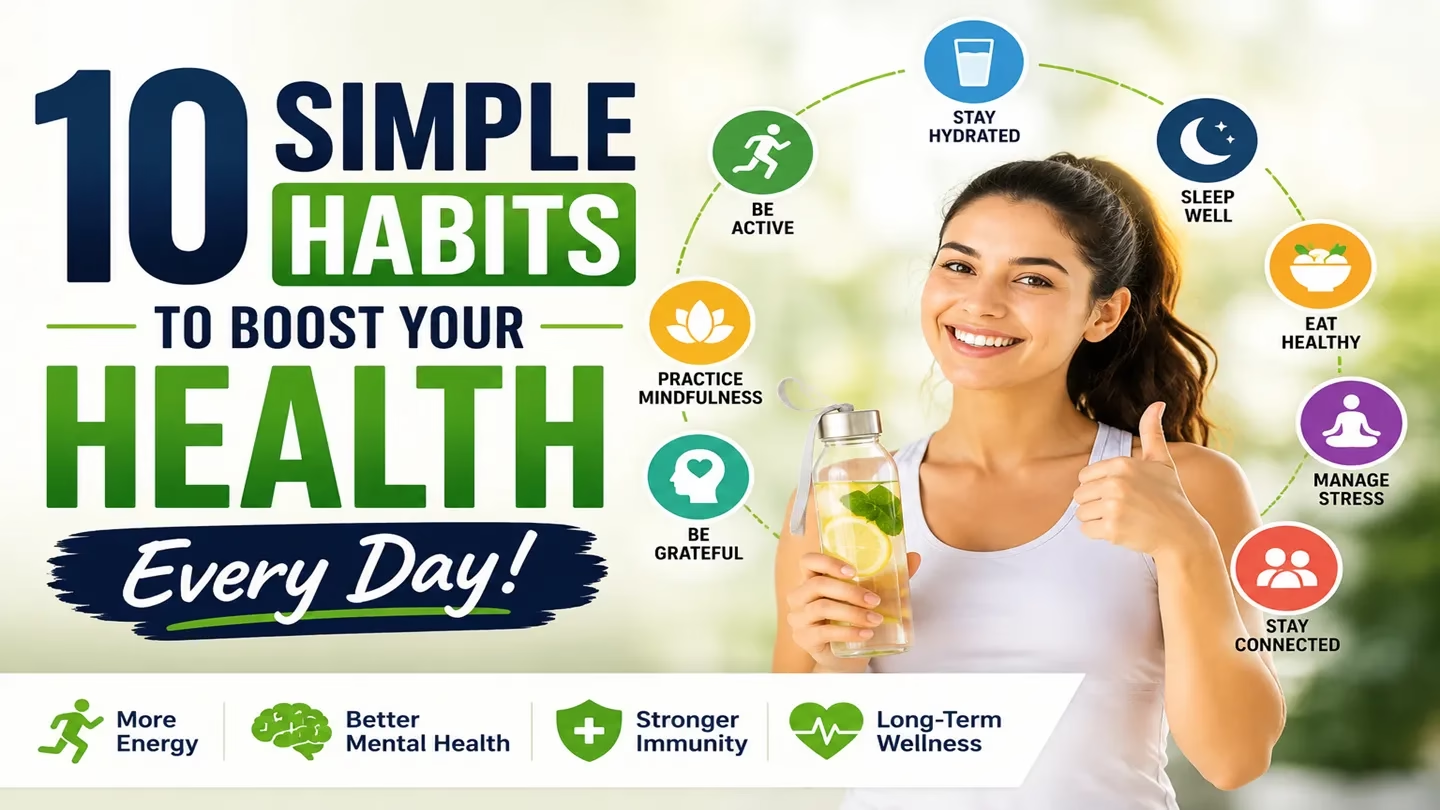
Living a healthier life doesn’t require expensive supplements, extreme diets, or spending hours in the gym. In fact, research consistently shows that small, sustainable daily habits have a greater impact on long-term health than short-lived lifestyle overhauls.
Whether your goal is to boost energy naturally, strengthen your immune system, improve mental health, lose weight, or reduce your risk of chronic diseases, building the right daily routine is one of the most effective strategies.
Here are 10 science-backed healthy habits you can start today.
1. Start Your Morning with Water
Your body loses water overnight through breathing and sweating, making mild dehydration common upon waking. Drinking 300–500 ml (1–2 glasses) of water first thing in the morning helps restore fluid balance.
Benefits
- Rehydrates your body after sleep
- Supports normal digestion
- Helps maintain concentration and alertness
- Supports kidney function
- May reduce morning fatigue
Pro Tip
Keep a reusable water bottle or glass beside your bed so you remember to drink before coffee or tea.
Myth: Water doesn’t “flush toxins” by itself. Your liver and kidneys naturally remove waste products, and adequate hydration simply helps these organs function properly.
2. Move Your Body Every Day
Regular physical activity is one of the most powerful ways to improve overall health.
The World Health Organization (WHO) recommends adults aim for:
- 150–300 minutes of moderate exercise weekly, or
- 75–150 minutes of vigorous exercise
- Strength training at least 2 days per week
Daily movement may include:
- Brisk walking
- Cycling
- Swimming
- Yoga
- Resistance training
- Dancing
- Gardening
- Playing sports
Health Benefits
- Supports heart health
- Helps maintain a healthy weight
- Improves blood sugar regulation
- Builds stronger muscles and bones
- Reduces stress
- Improves mood through endorphin release
- Lowers the risk of chronic diseases
Even 10-minute activity sessions throughout the day provide meaningful benefits.
3. Prioritize Quality Sleep
Sleep is just as important as nutrition and exercise.
Most healthy adults need 7–9 hours of quality sleep each night.
Poor sleep has been linked to:
- Reduced concentration
- Weakened immune function
- Higher stress levels
- Weight gain
- Increased risk of diabetes
- High blood pressure
- Heart disease
Better Sleep Habits
- Maintain a consistent bedtime
- Keep your bedroom cool, dark, and quiet
- Avoid heavy meals before bed
- Limit caffeine after midday
- Reduce screen exposure 1–2 hours before sleep
- Get morning sunlight to support your body clock
4. Eat a Balanced, Nutrient-Rich Diet
Healthy eating doesn’t mean perfection—it means consistency.
Build meals around whole foods whenever possible.
Include:
✅ Fruits
✅ Vegetables
✅ Whole grains
✅ Lean proteins
✅ Beans and legumes
✅ Healthy fats
Examples include:
- Salmon
- Eggs
- Greek yogurt
- Lentils
- Brown rice
- Oats
- Olive oil
- Avocados
- Nuts and seeds
Limit:
- Ultra-processed foods
- Sugary beverages
- Excess sodium
- Refined carbohydrates
- Frequent fast food
Easy Plate Method
Fill your plate with:
- ½ vegetables
- ¼ lean protein
- ¼ whole grains
- Add a healthy fat source.
5. Practice Mindfulness to Reduce Stress
Chronic stress can negatively affect both physical and mental health.
Daily mindfulness practices help regulate the body’s stress response.
You don’t need long meditation sessions.
Even 5–10 minutes daily can help.
Try:
- Deep breathing
- Guided meditation
- Prayer
- Journaling
- Mindful walking
- Progressive muscle relaxation
Benefits
- Reduced stress
- Better emotional control
- Improved focus
- Lower anxiety
- Better sleep quality
6. Limit Screen Time and Protect Your Eyes
Many adults spend 8–10 hours daily looking at digital screens.
Excessive screen time may contribute to:
- Digital eye strain
- Dry eyes
- Neck and shoulder pain
- Poor posture
- Reduced sleep quality
- Lower physical activity
Protect Your Eyes
Use the 20-20-20 rule:
Every 20 minutes, look at something 20 feet away for 20 seconds.
Also:
- Blink frequently
- Adjust screen brightness
- Use proper sitting posture
- Avoid screens before bedtime
7. Stay Socially Connected
Strong social relationships are closely linked to better physical and mental health.
Regular interaction with supportive people may help:
- Reduce loneliness
- Improve mood
- Lower stress
- Encourage healthy behaviors
- Increase resilience
Stay connected by:
- Calling loved ones
- Meeting friends
- Joining clubs
- Volunteering
- Participating in community events
Quality matters more than quantity.
8. Practice Gratitude Every Day
Gratitude is a simple habit with measurable mental health benefits.
Research suggests regular gratitude practice may improve:
- Happiness
- Life satisfaction
- Emotional resilience
- Optimism
- Sleep quality
Easy ways to practice gratitude:
- Write down three good things daily
- Thank someone sincerely
- Reflect on positive moments before bed
9. Plan Healthy Meals Ahead of Time
Meal planning removes guesswork and helps you make healthier choices.
Benefits include:
- Better nutrition
- Fewer unhealthy snacks
- Portion control
- Lower grocery bills
- Reduced food waste
- Less daily stress
Simple Weekly Strategy
- Plan meals every Sunday
- Prepare vegetables in advance
- Cook proteins in batches
- Keep healthy snacks available
- Freeze extra portions for busy days
10. Take Regular Movement Breaks
Sitting for long periods is associated with poorer health outcomes—even in people who exercise regularly.
If you work at a desk:
- Stand every 30–60 minutes
- Stretch regularly
- Walk for 2–5 minutes
- Change posture often
These small breaks may:
- Reduce muscle stiffness
- Improve circulation
- Increase productivity
- Reduce fatigue
- Improve focus
Using a standing desk for part of the day can also help.
Bonus Healthy Habits Worth Adding
Once you’ve mastered the basics, consider adding these evidence-based habits:
- Spend 15–30 minutes outdoors daily
- Wear sunscreen when outdoors
- Avoid smoking and vaping
- Limit alcohol consumption
- Maintain a healthy body weight
- Practice good hand hygiene
- Schedule regular medical and dental checkups
- Stay up to date with recommended vaccinations
- Read for personal growth
- Continue learning new skills to support brain health
Common Mistakes That Make Healthy Habits Fail
Many people quit because they try to change everything at once.
Avoid these common mistakes:
- Setting unrealistic goals
- Skipping meals
- Following fad diets
- Exercising too intensely too soon
- Sleeping too little
- Expecting instant results
- Giving up after one bad day
Consistency always beats perfection.
Frequently Asked Questions
What is the healthiest daily habit?
There isn’t a single best habit. The combination of adequate sleep, regular physical activity, balanced nutrition, hydration, and stress management offers the greatest health benefits.
How long does it take to build a healthy habit?
Research suggests habit formation varies widely depending on the behavior and the individual. Many habits become more automatic over several weeks to a few months, so consistency is more important than aiming for a fixed number of days.
Can small lifestyle changes really improve health?
Yes. Small daily improvements accumulate over time and can significantly reduce the risk of chronic diseases while improving energy, mood, and overall quality of life.
How much water should I drink each day?
Fluid needs vary based on age, climate, activity level, and health conditions. A common general guideline is about 2.7 liters/day for most women and 3.7 liters/day for most men from all beverages and foods, but individual needs differ.
Final Thoughts
Good health is built through consistent daily choices, not occasional bursts of motivation. Drinking enough water, eating nourishing foods, exercising regularly, sleeping well, managing stress, staying socially connected, and taking regular movement breaks are simple habits that can produce lasting benefits over time.
Rather than trying to change everything at once, choose one habit this week, practice it consistently until it becomes part of your routine, then gradually add another. Small improvements, repeated every day, often lead to the biggest long-term results.
Medical Disclaimer: This article is for educational purposes only and should not replace professional medical advice, diagnosis, or treatment. If you have a chronic medical condition, are pregnant, or have concerns about your health, consult a qualified healthcare professional before making significant lifestyle changes.
ABOUT THE AUTHOR
Dr. Nora West is a highly skilled MBBS doctor with a special interest in women’s health and patient education. She is dedicated to providing compassionate care and believes in building strong doctor–patient relationships based on trust and understanding. Dr. Nora focuses on empowering her patients with the knowledge they need to make informed decisions about their health. She is particularly passionate about preventive medicine, nutrition, and lifestyle interventions that can significantly improve quality of life. Known for her warmth and professionalism, Dr. Nora combines evidence-based medicine with a personalized approach, ensuring every patient feels supported on their journey to better health.
- Dr. Nora West

- Dr. Nora West

- Dr. Nora West
- Dr. Nora West










Add comment