

Hormones run almost every system in your body—energy, weight, sleep, mood, metabolism, hair, skin, reproductive health, and much more. When even one hormone shifts slightly, the effects can appear in unexpected ways.
Many people live with hormonal imbalance for years without realizing their symptoms are connected. This guide helps you understand the hidden, easily overlooked signs, so you can take control of your health early.
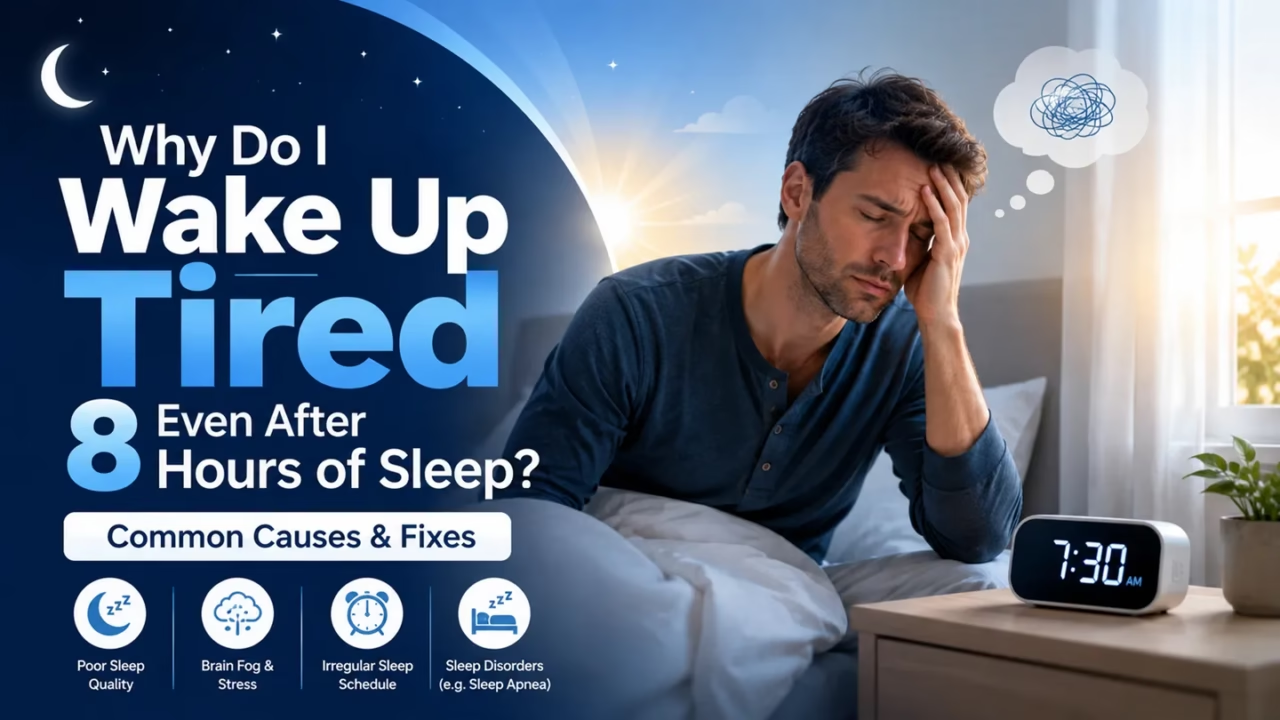
⚠️ 1. Unexplained Fatigue That Doesn’t Improve With Rest
Hormonal fatigue is different from normal tiredness. Even if you sleep 7–9 hours, you may still feel foggy, slow, or drained.
Why it happens
- Low thyroid hormones slow metabolism
- High cortisol exhausts the body over time
- Low progesterone affects sleep quality
- Insulin resistance causes energy crashes
What to do
- Prioritize sleep routine
- Add magnesium-rich foods
- Reduce processed sugar
- Get thyroid and cortisol levels checked
😟 2. Mood Swings, Anxiety & Irritability
If your emotions change suddenly without a clear trigger, hormones may be at play.
Possible hormonal causes
- Low estrogen → anxiety, tearfulness
- High cortisol → irritability, restlessness
- Low progesterone → mood swings before periods
Helpful support
- Deep breathing / yoga
- Avoid caffeine after 3 PM
- Increase omega-3 foods
- Track mood patterns with cycle/energy levels
🍽️ 3. Sudden Weight Gain or Stubborn Weight Loss
When hormones like insulin, cortisol, estrogen, and thyroid shift, fat distribution changes—even if your diet stays the same.
Clues it’s hormonal
- Belly fat increases despite exercise
- Weight sticks even with calorie control
- Cravings for sugar or salty foods
- Water retention, bloating
Natural balancing tips
- Add high-fiber foods
- Reduce stress triggers
- Avoid skipping meals
- Lift weights 3–4× weekly
😴 4. Sleep Problems & Night-Time Restlessness
Hormones regulate your sleep–wake cycle. Even minor imbalances cause:
- Difficulty falling asleep
- Waking up at 2–3 AM
- Night sweats
- Light, non-restorative sleep
What helps
- Maintain consistent bedtime
- Herbal teas (chamomile, lavender)
- Reduce heavy meals at night
- Check thyroid, cortisol, and estrogen levels
👩🦰 5. Hair Thinning, Shedding & Skin Changes
Hormonal imbalance often shows up in hair and skin before anything else.
Signs to watch
- Thinning on the crown
- Sudden hair shedding
- Acne around jawline (often linked to androgens)
- Dry skin, premature wrinkles
Balancing support
- Add zinc & biotin foods
- Avoid harsh hair products
- Manage insulin and stress
- Hydrate well
😵 6. Brain Fog & Poor Concentration
You may forget things easily or struggle to focus, especially during work or conversations.
Why it occurs
Hormones like estrogen, cortisol, thyroid, and insulin directly influence brain function.
Improve clarity naturally
- Take breaks during long tasks
- Choose slow-digesting carbs
- Stay hydrated
- Check vitamin D and B12
🌡️ 7. Irregular Periods or Changes in PMS
Women often ignore these changes, but they are major clues.
Symptoms linked to hormonal imbalance
- Shorter or longer cycles
- Heavy or very light bleeding
- Increased cramps
- Breast tenderness
- New PMS anxiety or moodiness
When to see a doctor
- Cycles < 21 days or > 35 days
- Bleeding longer than 7 days
- Sudden missed periods
🌿 How to Begin Balancing Your Hormones Naturally
Here are simple, effective steps you can start today:
1. Eat a hormone-friendly diet
- Lean proteins
- Whole grains
- Seeds (chia, flax, pumpkin)
- Omega-3s (salmon, walnuts)
2. Reduce stress
High cortisol is one of the biggest hormone disruptors.
3. Improve gut health
A healthy gut helps regulate estrogen and inflammation.
4. Prioritize 7–9 hours of sleep
5. Stay active
Strength training + walking gives the best balance.
6. Avoid endocrine disruptors
Found in plastics, fragrances, and some cosmetics.
🩺 When to Seek Medical Help
Consult a doctor if you experience:
- Rapid weight change
- Persistent irregular periods
- Severe mood changes
- Extreme fatigue
- Sudden hair loss
Simple blood tests can diagnose thyroid issues, PCOS, perimenopause, cortisol imbalance, and insulin resistance.
✅ Final Thoughts
Hormonal imbalance is common—and often ignored. Recognizing subtle signs early helps you prevent long-term issues and maintain energy, mood, weight, and overall health.
Taking small daily steps in diet, sleep, and stress control can create a powerful reset for your hormonal system.
ABOUT THE AUTHOR
Dr. Nora West is a highly skilled MBBS doctor with a special interest in women’s health and patient education. She is dedicated to providing compassionate care and believes in building strong doctor–patient relationships based on trust and understanding. Dr. Nora focuses on empowering her patients with the knowledge they need to make informed decisions about their health. She is particularly passionate about preventive medicine, nutrition, and lifestyle interventions that can significantly improve quality of life. Known for her warmth and professionalism, Dr. Nora combines evidence-based medicine with a personalized approach, ensuring every patient feels supported on their journey to better health.
- Dr. Nora West

- Dr. Nora West
- Dr. Nora West

- Dr. Nora West







Add comment